

Comfort is the best home upgrade because it improves daily life every single day. Unlike decorative changes, comfort upgrades support better rest, focus, health, and overall satisfaction.
Many homeowners focus on appearance first. However, studies show that indoor comfort significantly affects mood, productivity, and sleep quality. Research also suggests that people spend roughly 90% of their time indoors. Therefore, creating a comfortable home delivers value that extends far beyond visual appeal.
The Real Meaning of Comfort at Home
Comfort is not limited to soft furniture or cozy blankets. Instead, it combines physical ease, emotional security, and practical functionality.
A comfortable home supports your routines without creating friction. As a result, everyday tasks feel simpler, smoother, and less stressful.
People often associate upgrades with luxury finishes. Yet true comfort usually comes from thoughtful improvements that enhance daily experiences.
When a home feels comfortable, every room serves a purpose effectively. Consequently, occupants spend less energy adapting to the space around them.
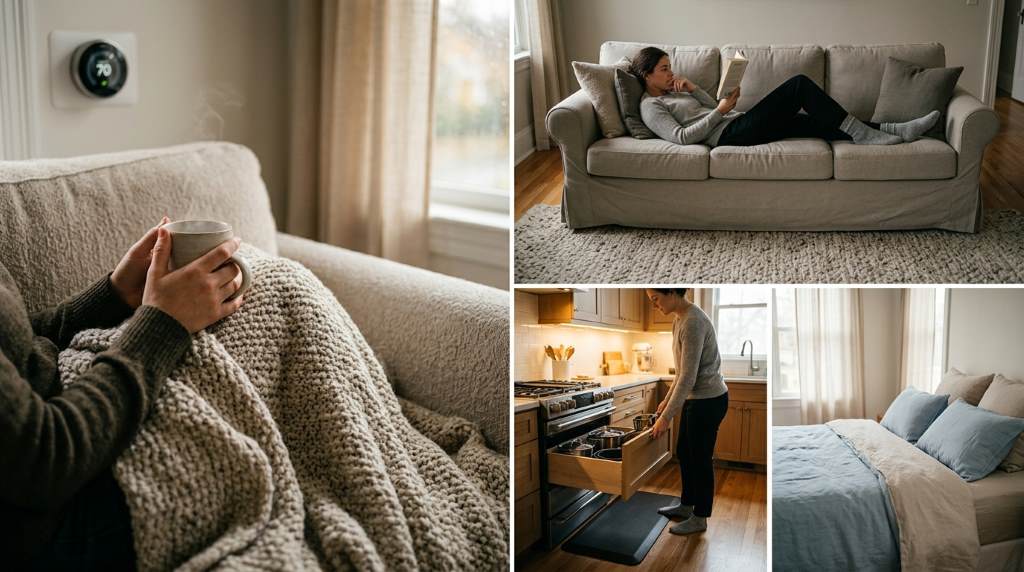
Why Comfort Creates Lasting Value
Home trends change constantly. However, comfort remains valuable regardless of changing design preferences.
A trendy feature may lose appeal after several years. In contrast, a comfortable environment continues providing benefits every day.
Comfort also influences how people perceive a home overall. Therefore, even modest spaces can feel welcoming and memorable.
Many expensive upgrades focus on visual impact alone. Meanwhile, comfort upgrades improve the way people actually live within the space.
Comfort Supports Daily Well Being
Physical comfort affects both body and mind. Consequently, people often feel calmer in environments designed around ease.
Proper seating, balanced temperatures, and reduced noise contribute significantly to everyday wellness. As a result, residents experience fewer distractions and greater relaxation.
Comfortable surroundings can also improve sleep quality. Furthermore, better sleep supports energy levels, concentration, and emotional balance.
Comfort Reduces Everyday Stress
Small frustrations accumulate throughout the day. Therefore, reducing those frustrations can make a noticeable difference.
Poor lighting, uncomfortable furniture, and cluttered layouts often create unnecessary stress. By comparison, well planned spaces encourage smoother daily routines.
When everything functions naturally, people spend less time solving household problems. Consequently, more time becomes available for family, hobbies, and relaxation.
The Comfort First Approach to Home Upgrades
Many homeowners begin with cosmetic improvements. However, prioritizing comfort often produces stronger long term results.
A comfort first strategy focuses on how a space feels during everyday use. Therefore, decisions become more practical and meaningful.
Instead of asking what looks impressive, ask what improves daily life. As a result, upgrade choices become clearer and more effective.
This approach often prevents unnecessary spending. Moreover, it helps homeowners invest in changes that deliver lasting satisfaction.
Areas Where Comfort Makes the Biggest Difference
Certain parts of the home have a stronger impact on comfort. Therefore, focusing on these areas can maximize results.
Each space contributes differently to overall quality of life. Consequently, targeted improvements often outperform large renovations.
Living Room Comfort
The living room serves as a central gathering space. Therefore, comfort should guide every major decision.
Consider these improvements:
: Supportive seating
: Layered lighting
: Soft textures
: Better airflow
: Reduced noise levels
Together, these elements create a space where people naturally want to spend time.
Bedroom Comfort
Sleep affects nearly every aspect of health. Therefore, bedroom comfort deserves special attention.
A supportive mattress can transform sleep quality significantly. Additionally, blackout curtains and proper temperature control improve rest.
Reducing distractions also matters. As a result, the bedroom becomes a true recovery space rather than another busy room.
Kitchen Comfort
Functionality drives kitchen comfort. Therefore, layouts should support easy movement and efficient workflows.
Comfortable flooring helps during long cooking sessions. Likewise, proper lighting improves visibility and reduces eye strain.
Storage solutions also contribute greatly. Consequently, daily tasks become faster and less frustrating.
Home Office Comfort
Remote work has increased the importance of comfortable workspaces. Therefore, ergonomic improvements often provide excellent returns.
A supportive chair reduces physical strain during long work sessions. Meanwhile, proper desk height encourages healthier posture.
Good lighting also supports productivity. As a result, work becomes more comfortable and sustainable.
Comfort Improves Family Life
Comfort benefits everyone within the household. Therefore, its value extends beyond individual preferences.
A comfortable environment encourages people to spend more time together. Consequently, relationships often benefit from improved shared experiences.
Children also thrive in spaces that support relaxation and focus. Likewise, older adults benefit from features that improve accessibility and ease.
When household members feel comfortable, everyday interactions become more positive. As a result, the home feels more welcoming overall.
Comfort and Mental Well Being
The connection between environment and mental health continues receiving greater attention. Therefore, home comfort deserves serious consideration.
Crowded, noisy, or uncomfortable spaces can increase stress levels. By contrast, calming environments support emotional balance.
Comfort helps create a sense of control and stability. Consequently, people often feel more grounded within their homes.
Simple improvements can have meaningful effects. Furthermore, those effects often compound over time.
Common Mistakes That Reduce Comfort
Many homeowners unintentionally prioritize appearance over usability. As a result, some upgrades fail to improve daily living.
Avoid these common mistakes:
: Choosing furniture solely for style
: Ignoring lighting quality
: Overcrowding rooms
: Neglecting temperature control
: Using harsh materials excessively
These issues may seem minor initially. However, they often become noticeable during everyday use.
Practical Comfort Upgrades That Deliver Results
Not every comfort improvement requires major spending. In fact, many effective upgrades remain surprisingly affordable.
Consider these practical options:
: Upgrade pillows and bedding
: Improve room lighting
: Add area rugs
: Enhance insulation
: Reduce clutter
: Improve seating support
: Install better window coverings
Each improvement contributes to a more enjoyable living environment. Therefore, even small changes can create significant benefits.
Focus on Daily Touchpoints
The most effective upgrades often involve items used every day. Therefore, prioritize areas with frequent interaction.
Examples include chairs, beds, lighting, and flooring. As a result, improvements generate noticeable benefits immediately.
Small daily experiences shape overall satisfaction. Consequently, comfort investments often feel worthwhile very quickly.
Why Comfort Outlasts Design Trends
Design trends rise and fall regularly. However, comfort remains universally desirable.
A fashionable feature may eventually feel outdated. In contrast, a comfortable chair remains valuable regardless of current trends.
Comfort also adapts easily to changing styles. Therefore, homeowners can update aesthetics without sacrificing functionality.
Because comfort serves practical needs, its value remains consistent over time. Consequently, it often provides better long term returns.
How to Evaluate Comfort Before Upgrading
Successful upgrades begin with observation. Therefore, pay attention to recurring frustrations throughout the day.
Notice areas that create discomfort or inconvenience. Then identify practical solutions that address those issues directly.
Ask these questions:
: Where do I feel uncomfortable most often?
: Which room causes daily frustration?
: What interrupts relaxation?
: What could improve sleep quality?
: What would make routines easier?
The answers often reveal the most valuable upgrade opportunities.
Conclusion
Comfort is the best home upgrade because it improves everyday living in meaningful ways. While visual improvements attract attention, comfort shapes how a home actually feels and functions.
Start by identifying one area that creates daily discomfort. Then make a practical improvement that supports better living, greater relaxation, and lasting satisfaction.
FAQs
Is comfort more important than home decor?
Yes, because comfort directly affects daily quality of life.
What is the easiest comfort upgrade?
Improving lighting often delivers immediate and noticeable results.
Does comfort increase home value?
Comfort can improve perceived value and overall appeal.
Which room should be upgraded first?
The bedroom often provides the greatest comfort related benefits.
Are comfort upgrades expensive?
No, many effective improvements require only modest investments.
