
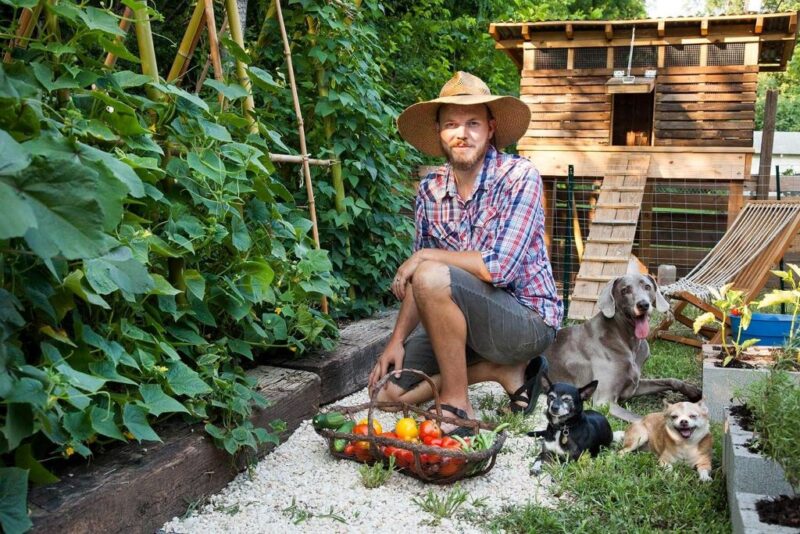
Organic gardening is a rewarding way to grow fresh, healthy produce while nurturing the environment. By avoiding synthetic chemicals and focusing on natural methods, you can create a thriving garden that supports biodiversity and sustainability. Whether you’re a beginner or an experienced gardener, mastering organic gardening takes knowledge, patience, and a commitment to eco-friendly practices. Resources like The Village Gardener offer practical tips to help you succeed in this green journey.
Why Choose Organic Gardening?
Organic gardening goes beyond growing plants; it’s about fostering a healthy ecosystem. By using natural fertilizers, pest control, and soil-building techniques, you reduce harm to pollinators, wildlife, and the planet. Organic methods also produce nutrient-rich crops free from harmful pesticides. Additionally, they promote long-term soil health, which is crucial for sustainable gardening.
If you’re wondering how to garden organically, the process starts with understanding your soil, plants, and local environment. This approach ensures your garden thrives without relying on chemical shortcuts. Let’s explore the key steps to master organic gardening.
Preparing Your Organic Garden
Test and Enrich Your Soil
Healthy soil is the foundation of any organic garden. Start by testing your soil’s pH and nutrient levels with a simple home testing kit. Most plants thrive in slightly acidic to neutral soil (pH 6.0–7.0). If your soil needs improvement, add organic matter like compost, aged manure, or leaf mold. These materials boost nutrient content and improve soil structure.
Compost is your best friend in organic gardening. It recycles kitchen scraps and yard waste into nutrient-rich matter. Create your own compost pile with a mix of green materials (like vegetable peels) and brown materials (like dried leaves). Turn the pile regularly to speed up decomposition. Within a few months, you’ll have rich compost to feed your garden.
Choose the Right Location
Plants need sunlight, water, and good drainage to grow well. Select a garden spot that gets at least six hours of sunlight daily. Avoid areas prone to flooding or heavy shade. If space is limited, consider raised beds or container gardening. These options give you control over soil quality and make organic gardening easier in small spaces.
Selecting Organic Plants and Seeds
Opt for Organic Seeds
Start with organic, non-GMO seeds or seedlings to ensure your garden stays chemical-free. Organic seeds are grown without synthetic pesticides or fertilizers, aligning with your eco-friendly goals. Look for certified organic seeds from reputable suppliers. Heirloom varieties are a great choice, as they’re often more flavorful and adapted to local conditions.
Choose Plants Suited to Your Climate
Pick plants that thrive in your region’s climate and soil. Native plants or those suited to your USDA hardiness zone require less maintenance and are more resilient. For example, tomatoes and peppers love warm climates, while kale and spinach tolerate cooler temperatures. Research your area’s growing season to plan planting times effectively.
Natural Pest and Weed Control
Encourage Beneficial Insects
Pests can challenge any gardener, but organic methods keep them in check without harming the environment. Attract beneficial insects like ladybugs, lacewings, and predatory beetles, which eat aphids and other pests. Plant flowers like marigolds, dill, or yarrow to draw these helpers to your garden. Additionally, companion planting—such as pairing tomatoes with basil—can deter pests naturally.
Use Organic Pest Control Methods
If pests persist, try natural remedies. Neem oil, a plant-based pesticide, works against many insects without harming beneficial ones. Mix a few drops with water and spray affected plants. For slugs, set up beer traps or sprinkle diatomaceous earth around plant bases. These methods are safe and effective when used correctly.
Manage Weeds Without Chemicals
Weeds compete with your plants for nutrients and water. To control them organically, mulch your garden beds with straw, wood chips, or grass clippings. Mulch blocks sunlight, preventing weed growth. Hand-pull stubborn weeds, ensuring you remove the roots to stop regrowth. Regular weeding keeps your garden tidy and healthy.
Watering and Feeding Your Plants
Watering Wisely
Water is essential, but overwatering can harm plants and waste resources. Water deeply but infrequently to encourage strong root growth. Early morning is the best time to water, as it reduces evaporation and prevents fungal growth. Use a soaker hose or drip irrigation for efficient water delivery. Collect rainwater in barrels to reduce your environmental footprint.
Feed with Organic Fertilizers
Organic fertilizers like compost tea, fish emulsion, or bone meal provide essential nutrients without synthetic chemicals. Apply them according to your plants’ needs—leafy greens need nitrogen-rich fertilizers, while fruiting plants benefit from phosphorus. Avoid over-fertilizing, as it can burn plants or disrupt soil balance. Follow package instructions for best results.
Crop Rotation and Companion Planting
Practice Crop Rotation
Crop rotation prevents soil depletion and reduces pest and disease buildup. Each season, plant different crops in each bed. For example, follow heavy feeders like tomatoes with nitrogen-fixing plants like beans or peas. This method keeps soil fertile and disrupts pest life cycles, promoting a healthier garden.
Use Companion Planting
Companion planting pairs plants that benefit each other. For instance, planting onions near carrots can repel carrot flies. Marigolds deter nematodes when planted near tomatoes. Research companion planting charts to find combinations that work for your garden. This technique maximizes space and boosts plant health naturally.
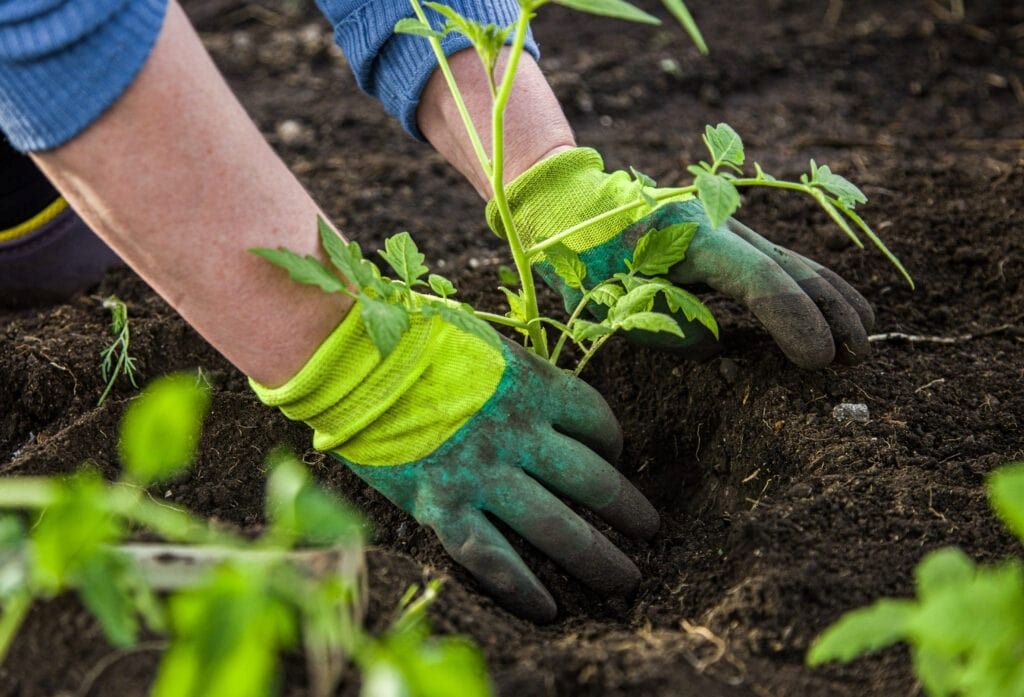
Maintaining Your Organic Garden
Monitor and Adjust
Regularly check your plants for signs of stress, pests, or disease. Yellowing leaves or stunted growth may indicate nutrient deficiencies or improper watering. Address issues promptly with organic solutions. Keep a garden journal to track planting dates, weather patterns, and plant performance. This helps you refine your techniques over time.
Prune and Harvest Regularly
Pruning encourages healthy growth and prevents disease. Remove dead or damaged leaves and trim overcrowded areas to improve air circulation. Harvest crops at their peak to enjoy the best flavor and encourage further production. For example, pick lettuce leaves in the morning for crispness and to promote new growth.
Benefits of Organic Gardening
Organic gardening offers numerous benefits beyond fresh produce. It reduces your carbon footprint by avoiding synthetic chemicals and supports local ecosystems by fostering biodiversity. Homegrown organic food often tastes better and contains more nutrients than store-bought options. Moreover, gardening is a relaxing, fulfilling hobby that connects you with nature.
Common Challenges and Solutions
Organic gardening has its challenges, but they’re manageable with the right approach. Poor soil can be improved with compost and organic matter. Pest issues can be tackled with natural predators or remedies like neem oil. If plants struggle, check for overwatering, nutrient deficiencies, or improper sunlight. Patience and observation are key to overcoming these hurdles.
Conclusion
Mastering organic gardening is a journey of learning and adapting. By starting with healthy soil, choosing the right plants, and using natural pest and weed control, you can create a thriving, eco-friendly garden. Regular maintenance, crop rotation, and companion planting ensure long-term success. With resources like The Village Gardener, you have the tools to grow fresh, sustainable produce while nurturing the environment. Start small, stay consistent, and enjoy the rewards of your organic garden.
Frequently Asked Questions
What is the easiest way to start organic gardening?
Begin with a small plot or containers, test your soil, and add compost. Choose easy-to-grow organic plants like lettuce or herbs suited to your climate.
How can I control pests without chemicals?
Attract beneficial insects with flowers like marigolds, use neem oil sprays, or set up traps like beer for slugs to manage pests naturally.
What are the best organic fertilizers?
Com stu, fish emulsion, and bone meal are effective and safe for organic gardens.
Why is crop rotation important in organic gardening?
Crop rotation prevents soil depletion, reduces pest and disease buildup, and maintains soil fertility by alternating crops each season.
Can I garden organically in a small space?
Yes, use containers or raised beds with organic soil and compost. Choose compact plants and practice companion planting to maximize space.
Read More:
Is Peace Lily Low Light? Understanding the Light Requirements of Peace Lily Plants
