
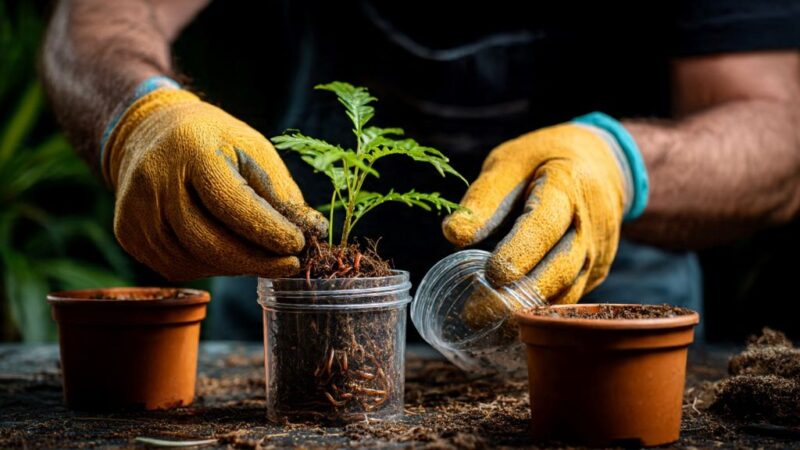
Discovering a centipede in your houseplant can trigger an immediate reaction. Some gardeners want to remove them immediately, while others wonder if these creatures might actually benefit their plants. Understanding how to safely relocate centipedes between pots requires knowledge of their behavior and proper handling techniques. The experts at Boyers Lawn Care have developed effective strategies for managing these arthropods in indoor and outdoor garden settings.
Centipedes are often misunderstood creatures that play important roles in garden ecosystems. They feed on small insects, larvae, and other pests that can damage your plants. However, their presence in indoor pots can be unsettling. Additionally, knowing when and how to move them safely protects both you and the centipede.
Many gardeners ask is it okay to move centipedes to different pots when they find them unexpectedly. The answer depends on several factors, including the centipede species, your comfort level, and the conditions in both pots. Therefore, understanding proper relocation techniques ensures the best outcome for everyone involved.
Understanding Centipedes in Plant Pots
Centipedes typically inhabit moist, dark environments where they can hunt for prey. Your plant pots offer ideal conditions with their damp soil, organic matter, and potential food sources. Most house centipedes are relatively harmless to humans, though some species can deliver painful bites if handled roughly.
These arthropods differ from millipedes in several key ways. Centipedes have one pair of legs per body segment and move quickly. In contrast, millipedes have two pairs per segment and move slowly. Furthermore, centipedes are predators while millipedes feed on decaying plant matter.
The most common species found in plant pots include house centipedes and soil centipedes. House centipedes have long, delicate legs and can move remarkably fast. Soil centipedes are smaller, slower, and spend most of their time underground. According to National Geographic, centipedes have existed for over 400 million years and have adapted to various environments worldwide.
Preparing for Safe Centipede Transfer
Before attempting to move a centipede, gather the necessary equipment. You will need a clear container with a lid, a piece of stiff paper or cardboard, gardening gloves, and a flashlight if working in dim conditions. Having everything ready beforehand reduces stress for both you and the centipede.
Timing matters significantly when relocating centipedes. The best time is during their inactive periods, typically during daylight hours. Centipedes are nocturnal hunters, so they move more slowly and are easier to handle during the day. However, never rush the process regardless of timing.
Assess both the current pot and the destination pot before beginning. Ensure the new location provides suitable conditions with adequate moisture, drainage, and hiding spots. Moreover, check that the destination pot does not already house territorial centipedes that might fight with the newcomer.
Step-by-Step Transfer Process
Start by identifying the centipede’s exact location in the pot. Use a flashlight to spot it without disturbing the soil too much. Approach slowly and calmly, as sudden movements will cause the centipede to flee deeper into the soil.
Put on your gardening gloves for protection. While most centipede bites are not dangerous, they can be painful. Position your clear container near the centipede’s location. Gently encourage the centipede to move toward the container using the cardboard.
Never grab a centipede with your bare hands. Instead, guide it onto the cardboard and quickly but smoothly transfer it into the container. Place the lid on immediately but ensure the container has air holes. Transport the centipede to its new location promptly to minimize stress.
At the destination pot, create a small opening in the soil surface. Tilt the container gently and allow the centipede to crawl out on its own. Cover the area lightly with soil and leaf litter to provide immediate shelter. The centipede will naturally burrow down to find a comfortable spot.
Safety Considerations and Best Practices
Personal safety should always come first when handling centipedes. Larger species can deliver more painful bites, so exercise extra caution with them. Keep your face away from the container and work in a well-lit area where you can see clearly.
Children and pets should be kept at a safe distance during the transfer process. Explain to curious family members why they should maintain their distance. Additionally, wash your hands thoroughly after completing the transfer, even if you wore gloves throughout.
Consider the centipede’s wellbeing during the entire process. Minimize the time spent in the container and avoid exposing it to extreme temperatures. Never drop or shake the container, as this can injure the delicate arthropod. Furthermore, avoid transferring centipedes during extreme weather conditions that might affect their survival.

When to Avoid Moving Centipedes
Some situations warrant leaving centipedes where they are. If the centipede is actively hunting or has recently caught prey, wait until it finishes. Disturbing a feeding centipede can cause unnecessary stress and may result in defensive behavior.
Pregnant or egg-carrying centipedes should generally not be moved. Female centipedes are protective of their eggs and young. Moving them during this vulnerable period can cause them to abandon their offspring. Therefore, if you notice a centipede guarding a cluster of eggs, leave it undisturbed.
Injured or sick centipedes present special challenges. If a centipede appears sluggish, has missing legs, or shows other signs of distress, moving it might do more harm than good. In these cases, consider contacting a local pest control expert or entomologist for advice.
According to research from Penn State Extension, centipedes play valuable roles in controlling other pest populations. Before deciding to remove them, consider whether their presence might actually benefit your plant’s health by eliminating harmful insects.
Alternative Approaches to Centipede Management
Rather than relocating centipedes, you might prefer to make your pots less attractive to them. Reduce soil moisture by adjusting your watering schedule. Allow the top inch of soil to dry out between waterings. This simple change makes the environment less hospitable to centipedes and their prey.
Improve drainage in your pots by adding perlite or sand to the soil mixture. Better drainage prevents the damp conditions centipedes prefer. Additionally, remove dead plant material and debris from the soil surface, as these attract the insects that centipedes hunt.
Create physical barriers using diatomaceous earth around pot edges. This natural substance damages centipede exoskeletons without using harmful chemicals. However, reapply after watering as it loses effectiveness when wet.
If centipedes frequently appear in your indoor pots, examine your overall home environment. Seal cracks and crevices where centipedes might enter. Reduce humidity levels in rooms with houseplants. These preventive measures address the root cause rather than repeatedly relocating individual centipedes.
Long-Term Prevention Strategies
Maintaining healthy plants naturally reduces pest problems that attract centipedes. Use high-quality potting soil and fertilize appropriately. Strong, healthy plants are less susceptible to the aphids, fungus gnats, and other small pests that centipedes hunt.
Inspect new plants carefully before bringing them indoors. Centipedes and their eggs can hide in root balls or under pot rims. Quarantine new plants for a few weeks to observe them for any unwanted inhabitants. This precaution prevents introducing centipedes into your existing plant collection.
Regular pot maintenance helps too. Repot plants every one to two years to refresh soil and inspect for hidden creatures. Clean pots thoroughly between uses, removing all old soil and debris. These practices create less inviting conditions for centipedes.
Consider the placement of your pots within your home. Avoid placing them directly on floors in basements or damp areas. Use plant stands that allow air circulation underneath. Moreover, maintain appropriate spacing between pots to prevent creating continuous habitat corridors.
Conclusion
Transferring centipedes between plant pots requires careful preparation, proper technique, and respect for these beneficial arthropods. By following the steps outlined above, you can safely relocate centipedes when necessary while minimizing risk to yourself and the creature. Remember that centipedes often benefit gardens by controlling pest populations, so consider whether removal is truly necessary before proceeding.
The safest approach involves using appropriate containers, working during daylight hours, and ensuring the destination provides suitable conditions. Always prioritize personal safety by wearing gloves and avoiding direct contact. Furthermore, consider long-term prevention strategies to reduce future centipede encounters in your plant pots.
Whether you choose to relocate centipedes or make your environment less attractive to them, understanding their behavior and needs leads to better outcomes. With patience and proper technique, you can manage centipede populations effectively while maintaining healthy, thriving plants.
Frequently Asked Questions
Can centipedes harm my houseplants?
Centipedes do not damage plants directly. They are predators that hunt insects and other small creatures living in the soil. In fact, they often help by eating pests that could harm your plants. Their presence indicates a healthy ecosystem in your pot, though it may also suggest excess moisture or pest problems that need attention.
How long can a centipede survive in a container during transfer?
A centipede can survive several hours in a proper container with adequate ventilation. However, you should minimize containment time to reduce stress. Keep the container in a cool, shaded location and complete the transfer within 30 minutes if possible. Never leave a centipede in a sealed container overnight.
Will relocated centipedes return to their original pot?
Centipedes do not have strong homing instincts like some animals. Once relocated to a suitable environment with adequate food and shelter, they typically remain in the new location. Ensure the destination pot offers appropriate conditions, including moisture, hiding spots, and potential prey, to encourage the centipede to stay.
Are all centipedes safe to handle with gloves?
Most common household and garden centipedes can be safely handled with thick gardening gloves. However, larger species found in tropical regions can bite through thin gloves and deliver more painful venom. If you encounter an unusually large centipede, use extra caution or contact a pest control professional for assistance.
How can I tell if my plant pot has multiple centipedes?
Multiple centipedes in one pot often indicate an abundant food source or ideal habitat conditions. Look for signs like frequent sightings, especially at night when they are active. You might also notice increased activity when watering or disturbing the soil. If you consistently see centipedes, consider adjusting moisture levels and examining the pot for pest infestations that might be attracting them.
Related Topics:
