
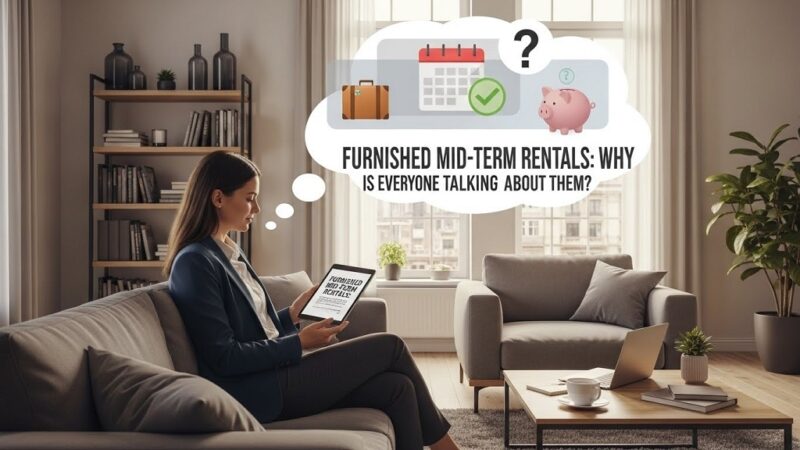
Furnished mid-term rentals are fully equipped rental properties leased for stays typically ranging from 1 to 6 months. They bridge the gap between short-term vacation rentals and long-term unfurnished leases, offering flexibility, comfort, and convenience for both tenants and property owners.
Over the past few years, this rental model has quietly transformed into one of the fastest-growing segments of the housing industry. Remote work, corporate mobility, healthcare travel, and lifestyle shifts have reshaped how people live and rent. Tenants want move-in-ready homes without long-term commitments. Property owners want stable income without the churn of nightly bookings.
That’s where furnished mid-term rentals shine. They meet modern renter expectations while offering landlords a powerful alternative to traditional leasing. With fewer vacancies, predictable income, and reduced regulatory pressure compared to short-term rentals, this model is becoming a strategic favorite.
This article breaks down exactly why furnished mid-term rentals are growing in popularity, what’s driving demand, and how this trend fits into the evolving furnished rental market. Whether you’re a property owner, investor, or curious renter, you’ll find practical, actionable insights ahead.
Why Is Demand for Furnished Mid-Term Rentals Increasing So Rapidly?
Short answer: Lifestyle changes, workforce mobility, and flexibility demands are driving unprecedented growth.
Today’s renters are no longer tied to one city, one job site, or one lease structure. Professionals relocate frequently. Companies deploy teams temporarily. Families need transitional housing during renovations or relocations.
Furnished mid-term rentals solve these problems by offering:
- Flexible lease terms without year-long commitments
- Fully furnished, move-in-ready living spaces
- Lower upfront costs for renters
- Stability compared to nightly short-term stays
The result is consistent demand across multiple renter segments, making this model resilient even during economic shifts.
How Has Remote Work Accelerated the Furnished Rental Market?
Snippet answer: Remote work has untethered workers from fixed locations, increasing demand for flexible, furnished housing.
Remote and hybrid work models allow professionals to live where they want, for as long as they want. Many choose to test new cities before committing permanently.
Instead of signing long-term leases or staying in hotels, remote workers gravitate toward furnished mid-term rentals because they offer:
- Comfortable home-office setups
- Utilities and internet often included
- Residential neighborhoods rather than tourist zones
This shift has expanded the furnished rental market beyond corporate hubs into secondary cities and suburban areas.
Why Are Corporate Rentals Fueling Long-Term Growth?
Snippet answer: Corporate rentals provide steady, high-quality tenants for furnished mid-term rentals.
Companies increasingly rely on temporary housing for:
- Project-based employees
- Relocation transitions
- Training assignments
- Healthcare and consulting professionals
Corporate rentals favor mid-term stays because they balance cost control with employee comfort. Hotels are expensive. Long-term leases are inflexible. Furnished mid-term rentals strike the perfect balance.
For property owners, corporate tenants mean:
- Reliable payments
- Lower wear and tear
- Professional occupancy standards
What Role Do Traveling Healthcare Professionals Play in This Trend?
Snippet answer: Traveling nurses and medical staff create year-round demand for furnished mid-term rentals.
Healthcare travel contracts often last 8 to 26 weeks. These professionals need quiet, comfortable, and fully furnished housing close to hospitals.
Hotels lack privacy. Unfurnished rentals lack convenience. Furnished mid-term rentals meet both needs.
This demand is especially strong in:
- Urban medical hubs
- University hospital towns
- Regions with staffing shortages
As healthcare mobility continues to grow, this segment will remain a cornerstone of the furnished rental market.
Why Do Property Owners Prefer Furnished Mid-Term Rentals Over Short-Term Rentals?
Snippet answer: They offer higher stability with fewer operational headaches.
While short-term rentals can generate high nightly rates, they also come with:
- Frequent guest turnover
- Intensive management needs
- Regulatory risks
- Seasonal income fluctuations
Furnished mid-term rentals reduce these challenges by offering longer stays, fewer cleanings, and more predictable cash flow.
| Factor | Mid-Term Rentals | Short-Term Rentals |
|---|---|---|
| Average Stay | 1–6 months | 1–14 nights |
| Turnover | Low | High |
| Regulations | More lenient | Often restricted |
How Do Furnished Mid-Term Rentals Improve Cash Flow Stability?
Snippet answer: Longer stays mean consistent monthly income.
Mid-term tenants typically commit to full-month payments, reducing vacancy gaps. Owners can price higher than traditional long-term rentals while maintaining steady occupancy.
Additional financial advantages include:
- Utilities bundled into rent
- Fewer marketing costs
- Lower maintenance frequency
This balance makes furnished mid-term rentals attractive for both new and experienced investors.

Why Are Cities More Friendly Toward Mid-Term Rentals?
Snippet answer: Mid-term rentals align better with housing regulations.
Many cities restrict short-term rentals due to housing shortages and neighborhood concerns. Furnished mid-term rentals often fall outside these restrictions because they resemble traditional leasing.
This regulatory advantage provides:
- Lower compliance risk
- Long-term operational certainty
- Greater scalability
As regulations tighten, property owners are shifting strategies toward mid-term leasing models.
What Amenities Do Tenants Expect in Furnished Mid-Term Rentals?
Snippet answer: Comfort, functionality, and work-ready spaces.
Successful furnished mid-term rentals typically include:
- Modern furniture and décor
- Fully stocked kitchens
- High-speed internet
- Dedicated workspace
- In-unit laundry
These features justify premium pricing while improving tenant satisfaction and retention.
How Does the Furnished Rental Market Compare to Traditional Leasing?
Snippet answer: It offers higher flexibility and better margins.
Traditional long-term leasing prioritizes stability but often sacrifices pricing power. Furnished mid-term rentals sit between long-term and short-term models, capturing benefits from both.
Compared to unfurnished leases, furnished rentals:
- Attract a broader tenant pool
- Command higher monthly rates
- Reduce lease rigidity
Are Furnished Mid-Term Rentals a Long-Term Trend or a Passing Phase?
Snippet answer: All indicators point to long-term growth.
Demographic shifts, remote work normalization, and corporate mobility suggest sustained demand. As renters prioritize flexibility and experience, furnished mid-term rentals are becoming a permanent fixture in the housing ecosystem.
Investors who adapt early stand to benefit from:
- Market differentiation
- Tenant loyalty
- Resilient income streams
Why Now Is the Time to Pay Attention to Furnished Mid-Term Rentals
Furnished mid-term rentals are no longer a niche strategy. They are a direct response to how people live, work, and move today. The combination of flexibility, comfort, and financial stability makes them one of the most compelling options in the modern rental landscape.
For property owners, this model offers predictable income with fewer regulatory and operational challenges. For tenants, it delivers convenience without compromise. And for investors, it represents a scalable, future-proof opportunity within the growing furnished rental market.
Call to Action: If you’re exploring new rental strategies or looking to future-proof your property portfolio, now is the time to evaluate furnished mid-term rentals. Start by analyzing demand in your market, optimizing your property setup, and positioning yourself where long-term housing trends are headed.
Frequently Asked Questions About Furnished Mid-Term Rentals
What is considered a furnished mid-term rental?
A furnished mid-term rental is a fully equipped property leased for 1 to 6 months, designed for temporary but extended stays.
Who typically rents furnished mid-term rentals?
Common tenants include corporate employees, traveling healthcare professionals, remote workers, and families in transition.
Are furnished mid-term rentals more profitable than long-term rentals?
In many markets, yes. They often command higher monthly rates while maintaining stable occupancy.
Do furnished mid-term rentals require more maintenance?
No. While furnishings require care, lower tenant turnover reduces wear compared to short-term rentals.
Are corporate rentals the same as mid-term rentals?
Corporate rentals are a major subset of mid-term rentals, typically leased by companies for employee housing.
Is the furnished rental market expected to grow?
Yes. Workforce mobility, remote work, and housing flexibility trends continue to drive expansion.
Related Topics: Understand Composition Shingle Roof Lifespan: The Roofing Workhorse
