
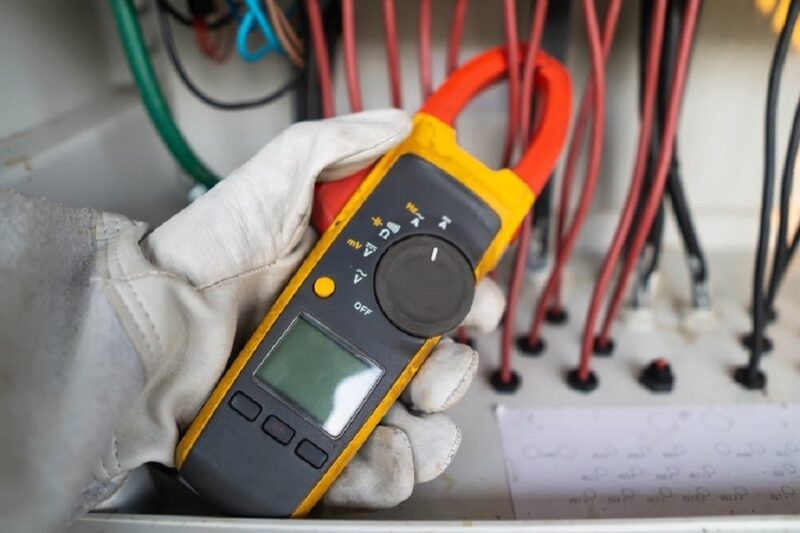
Checking electrical current in your home circuits can seem intimidating at first. However, with the right knowledge and proper safety precautions, measuring amperage becomes a straightforward task. Whether you’re troubleshooting a faulty appliance or ensuring your electrical system operates within safe limits, understanding this fundamental skill is essential for any homeowner. At House Needy, we believe that empowering homeowners with electrical knowledge helps create safer living environments.
Many beginners worry about working with electrical measurements, but modern digital multimeters make the process much simpler than it once was. Additionally, following proper procedures eliminates most safety concerns. The key lies in understanding your equipment and respecting electrical safety protocols.
For a comprehensive understanding of current measurement techniques, learning how to check amps with multimeter methods will provide you with the confidence needed for various electrical projects. Therefore, this guide will walk you through each step of the process.
Understanding Amperage and Its Importance
Amperage, measured in amperes or amps, represents the flow of electrical current through a circuit. Think of it like water flowing through a pipe – the amperage tells you how much electricity is moving through the wire at any given moment.
Monitoring amperage helps identify several common household electrical issues. For instance, circuits drawing excessive current may indicate overloaded outlets or faulty appliances. Conversely, unusually low readings might suggest poor connections or failing components.
Understanding these measurements also helps prevent electrical fires. According to the National Fire Protection Association, electrical failures cause approximately 13% of all home structure fires. Therefore, regular electrical monitoring can significantly improve home safety.
Essential Safety Precautions Before Starting
Safety must always come first when working with electrical systems. Never attempt to measure amperage on live circuits without proper safety equipment and knowledge. However, most household measurements can be performed safely with basic precautions.
Always turn off power at the circuit breaker before making any connections. Additionally, use insulated tools and wear safety glasses when working near electrical panels. Furthermore, ensure your multimeter is rated for the voltage you’ll be measuring.
Never work alone on electrical projects. Having someone nearby ensures help is available if an emergency occurs. Moreover, keep a flashlight handy in case power needs to remain off during your work.
Choosing the Right Multimeter for Amp Measurements
Not all multimeters are created equal when it comes to measuring amperage. Digital multimeters generally provide more accurate readings than analog versions. Additionally, look for models with separate amp input jacks for different current ranges.
Most household applications require multimeters capable of measuring up to 10 amps. However, some heavy-duty appliances may draw more current. Therefore, consider a meter with higher amp ratings if you plan to test major appliances regularly.
Auto-ranging multimeters automatically select the appropriate scale, making them ideal for beginners. Furthermore, models with built-in safety features like overload protection provide additional peace of mind during measurements.
Step-by-Step Guide to Measuring Amps

Preparing Your Multimeter
First, insert the red test lead into the amp input jack on your multimeter. Most meters have separate jacks for different current ranges – use the appropriate one for your expected measurement. Next, insert the black lead into the common (COM) jack.
Set your multimeter to the amperage function. If your meter isn’t auto-ranging, select a range higher than your expected reading. Additionally, ensure the meter is functioning properly by testing it on a known good circuit first.
Making the Connection
Turn off power to the circuit you’re testing. Remove the wire you want to measure from its connection point. However, remember that amp measurements require the multimeter to be connected in series with the circuit.
Connect one test lead to the disconnected wire and the other to the connection point where the wire was attached. This creates a series connection that allows current to flow through your multimeter. Therefore, all circuit current must pass through the meter for accurate readings.
Taking the Measurement
Restore power to the circuit and observe your multimeter display. The reading should stabilize within a few seconds. Record the measurement and immediately turn off power again before disconnecting your test leads.
Additionally, compare your reading to the expected current draw for the circuit or appliance. Most household circuits are designed for 15 or 20 amps maximum. Furthermore, individual appliances typically have current ratings listed on their nameplates.
Using Clamp Meters for Non-Invasive Measurements
Clamp meters offer an alternative method for measuring amperage without breaking circuit connections. These devices clamp around a single wire and measure the magnetic field created by current flow. However, they typically provide less precision than direct multimeter measurements.
Position the clamp around only one wire – never around both hot and neutral wires simultaneously, as this will result in zero readings. Additionally, ensure the wire passes through the center of the clamp for accurate measurements.
Clamp meters work best on circuits carrying at least one amp of current. Therefore, they may not provide reliable readings for low-current applications like LED lighting circuits.
Common Measurement Errors and Troubleshooting
Several factors can lead to inaccurate amp readings. Loose connections create resistance that affects current flow. Additionally, measuring at different points in a circuit may yield varying results due to voltage drops and component resistance.
Temperature affects both your multimeter’s accuracy and the circuit’s behavior. Cold components may draw higher initial currents, while hot components often draw less. Therefore, allow equipment to reach normal operating temperature before taking final measurements.
Electromagnetic interference from nearby motors or fluorescent lights can also affect readings. Move your multimeter away from potential interference sources if readings seem unstable. Furthermore, ensure your test leads are in good condition and making solid connections.
Safety Warning Signs During Measurements
Stop immediately if you notice any unusual signs during your measurements. Sparking, burning smells, or excessive heat indicate dangerous conditions. Additionally, readings that fluctuate wildly or exceed expected values require immediate investigation.
Never touch exposed wires or connections while power is on. If your multimeter shows readings significantly higher than expected, this could indicate a dangerous fault condition. Therefore, turn off power immediately and consult a qualified electrician.
According to the Electrical Safety Foundation International, electrical accidents result in over 400 deaths annually in the United States. However, following proper procedures dramatically reduces these risks.
When to Call a Professional Electrician
While basic amp measurements are within most homeowners’ capabilities, certain situations require professional expertise. Main electrical panel work, high-voltage circuits, and complex troubleshooting should always be left to qualified electricians.
Additionally, if your measurements reveal consistent overloading or unusual current patterns, professional diagnosis is recommended. Complex electrical problems often have multiple contributing factors that require professional training to identify safely.
Furthermore, any modifications to your home’s electrical system typically require permits and professional installation to meet local codes and insurance requirements.
Read More Also: What is Pink Insulation Made of?
Conclusion
Learning to check amps with a multimeter provides valuable insight into your home’s electrical system. With proper safety precautions and the right equipment, this skill enables you to troubleshoot common electrical issues and monitor circuit performance. Remember that safety always comes first – when in doubt, consult a professional electrician. Regular electrical monitoring helps prevent problems before they become dangerous, contributing to a safer home environment for you and your family.
Read More Also: How to Make a Baby Go to Sleep Fast: Tried and Tested Methods
Frequently Asked Questions
How often should I check the amperage in my home circuits?
Most homeowners should check circuit amperage annually or whenever they notice electrical issues like flickering lights or tripping breakers. Additionally, check amperage after installing new appliances or making electrical modifications to ensure circuits aren’t overloaded.
Can I measure amps on a live circuit safely?
Measuring amps on live circuits requires breaking the circuit to insert your multimeter in series, which involves working with exposed wires. Therefore, always turn off power at the breaker before making connections. Clamp meters offer a safer alternative for live circuit measurements.
What does it mean if my amp reading is higher than expected?
Higher than expected amp readings may indicate circuit overloading, faulty appliances, or wiring problems. Turn off power immediately and investigate the cause. Consistently high readings can lead to breaker trips, overheating, and potential fire hazards.
Why does my multimeter show zero amps when I know current is flowing?
Zero amp readings typically result from incorrect connections or multimeter settings. Ensure you’re measuring in series with the circuit, not parallel. Additionally, check that your test leads are properly connected and your multimeter is set to the correct amperage range.
What’s the difference between measuring amps and volts?
Voltage measures electrical pressure or potential difference, while amperage measures current flow. Voltage is measured in parallel with circuits (across components), whereas amperage requires series connection (through the circuit). Both measurements are essential for complete electrical system analysis.
