
When you walk through a doorway every day, you probably don’t think twice about the structural elements that make your door function properly. However, understanding basic home components can save you money on repairs and help you communicate better with contractors. At Decoracaos, we believe homeowners should know their house inside and out, starting with the fundamentals.
A door jamb might sound like complicated construction terminology, but it’s actually one of the simplest concepts in home building. Additionally, knowing about door jambs becomes essential when you’re dealing with door installation, weatherproofing, or home security upgrades.
Understanding the Door Jamb Basics
So, what is a door jamb? Simply put, a door jamb is the vertical frame that surrounds your door opening. It consists of three main pieces that work together to create a sturdy, functional doorway. Therefore, the door jamb serves as the foundation for your entire door system.
The door jamb includes two vertical pieces called side jambs and one horizontal piece at the top called the head jamb. These components create the framework that holds your door in place and provides a surface for the door to close against. Furthermore, the jamb contains the hardware necessary for your door to function properly.
The Three Essential Parts of a Door Jamb
Side Jambs
The side jambs are the vertical pieces that run along both sides of your door opening. These components bear most of the weight and stress from daily door operation. Consequently, side jambs must be perfectly plumb and securely fastened to ensure proper door alignment.
Head Jamb
The head jamb spans horizontally across the top of the door opening. This piece connects the two side jambs and helps distribute weight evenly across the door frame. Moreover, the head jamb often contains the door stop, which prevents the door from swinging too far.
Door Stop
Although technically part of the jamb system, the door stop deserves special mention. These thin strips of wood or metal run along the inside of the jamb and create a surface for the door to rest against when closed. Therefore, door stops are crucial for proper door sealing and security.
Materials Used in Door Jamb Construction
Door jambs come in various materials, each offering different benefits for specific applications. Wood remains the most popular choice due to its versatility and ease of installation. However, metal jambs provide superior durability and security for exterior doors.
Pine and fir are common wood choices for interior door jambs because they’re affordable and easy to work with. Oak and maple offer greater durability but cost more upfront. Additionally, some manufacturers now offer composite materials that resist warping and moisture better than traditional wood.
Steel jambs work well for commercial applications and high-security residential doors. These jambs resist forced entry attempts and don’t deteriorate from weather exposure. Furthermore, steel jambs often come pre-hung with doors for easier installation.
Installation Process and Key Considerations
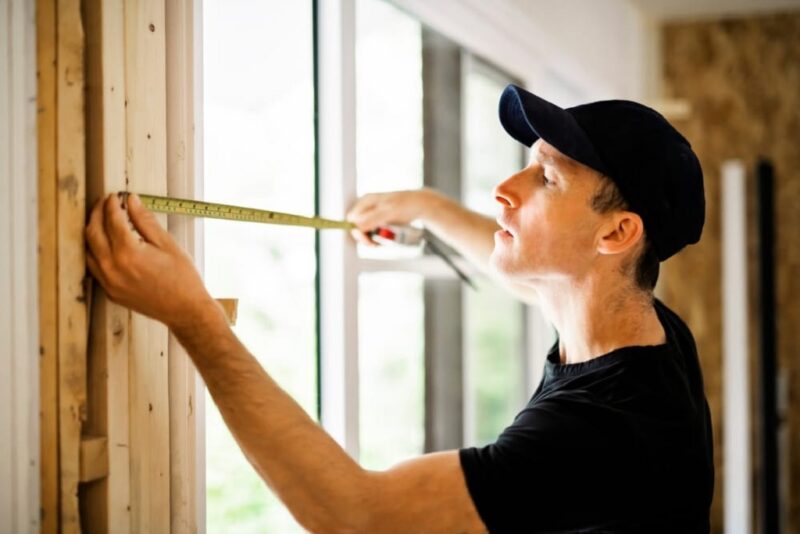
Installing a door jamb requires precision and attention to detail. The process begins with measuring the rough opening and selecting the appropriate jamb size. Next, installers must ensure the jamb is perfectly square and level before securing it in place.
Professional installers use shims to adjust the jamb position and eliminate any gaps or irregularities. This step is crucial because even small misalignments can cause door operation problems later. Therefore, taking time during installation prevents future headaches and expensive repairs.
The jamb must be securely fastened to the wall framing with appropriate screws or nails. Additionally, proper insulation around the jamb helps with energy efficiency and reduces air infiltration. Many building codes require specific fastening schedules for door jambs, especially on exterior doors.
Common Door Jamb Problems and Solutions
Over time, door jambs can develop various issues that affect door operation and home security. Understanding these problems helps homeowners identify when professional help is needed. However, some minor issues can be addressed with basic DIY skills.
Warping represents one of the most common jamb problems, especially in areas with high humidity. Warped jambs prevent doors from closing properly and can create security vulnerabilities. Unfortunately, severely warped jambs usually require complete replacement rather than repair.
Loose jambs occur when the fasteners work free over time or due to house settling. This problem often manifests as doors that won’t stay closed or gaps around the door perimeter. Fortunately, tightening or replacing fasteners often solves loose jamb issues.
According to This Old House, proper door jamb maintenance includes regular inspection for signs of damage or wear. Additionally, keeping jambs properly painted or sealed protects them from moisture damage and extends their lifespan.

Door Jamb Maintenance Tips
Regular maintenance keeps door jambs functioning properly and looking their best. Start by inspecting jambs annually for signs of damage, wear, or moisture problems. Additionally, check that all hardware remains tight and properly aligned.
Cleaning door jambs involves removing dirt and debris from the door stop areas and hinge mortises. Use a vacuum with a brush attachment to remove loose material, then wipe surfaces with a damp cloth. Furthermore, avoid using harsh chemicals that might damage wood finishes or painted surfaces.
Weather sealing around exterior door jambs requires periodic attention to maintain energy efficiency. Replace worn weatherstripping and caulk any gaps between the jamb and wall. Therefore, proper sealing reduces energy costs and improves indoor comfort.
Choosing the Right Door Jamb for Your Project
Selecting appropriate door jambs depends on several factors, including door type, location, and budget considerations. Interior doors typically use standard wood jambs, while exterior doors may require more robust materials. Additionally, consider the architectural style of your home when choosing jamb profiles and finishes.
Standard jamb widths accommodate different wall thicknesses, typically ranging from 4-9/16 inches to 6-9/16 inches. Measure your wall thickness carefully to ensure proper fit. Moreover, some jambs can be adjusted for minor variations in wall thickness.
Pre-hung door systems include the jamb, door, and hardware as a complete unit. These systems often provide better alignment and easier installation compared to installing components separately. However, custom applications may require site-built jambs for proper fit.
Read More Also: How to Repair a Garage Door Panel With Aluminum Siding?
Conclusion
Understanding what a door jamb is empowers homeowners to make informed decisions about door installation, maintenance, and repairs. The serves as the foundation for proper door operation, providing structural support and hardware mounting points. Therefore, investing in quality jambs and proper installation pays dividends in long-term performance and home security.
Regular maintenance and prompt attention to problems keep door jambs functioning properly for decades. Additionally, knowing jamb terminology helps homeowners communicate effectively with contractors and suppliers. Whether you’re planning a renovation or simply want to understand your home better, knowledge proves valuable in many situations.
Read More Also: What is Pink Insulation Made of?
Frequently Asked Questions
What is the difference between a door jamb and door frame?
The terms are often used interchangeably, but technically the refers specifically to the three pieces (two sides and head) that form the door opening, while the door frame includes the jamb plus any additional trim or casing.
How do I know if my door jamb needs replacement?
Signs include visible warping, gaps around the door when closed, difficulty opening or closing the door, loose hardware, or visible rot or damage. Additionally, if the door won’t stay closed or latched, the jamb may be out of square.
Can I install a door jamb myself?
While possible for experienced DIYers, door jamb installation requires precision and proper tools. Mistakes can affect door operation and security. Therefore, consider hiring professionals for exterior doors or if you lack carpentry experience.
What tools do I need to install a door jamb?
Essential tools include a level, drill, screws or nails, shims, measuring tape, saw, and square. Additionally, you may need a router for hinge mortises and specialized bits for hardware installation.
How much does door jamb replacement cost?
Costs vary based on materials, door size, and labor rates in your area. Basic interior jamb replacement typically ranges from $150-$400, while exterior doors with security features can cost $300-$800 or more including professional installation.
