
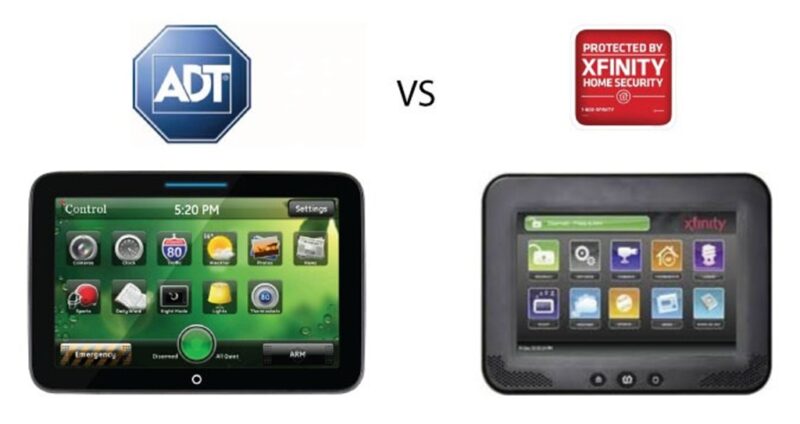
Home security has become a top priority for homeowners across the country. As crime rates fluctuate and technology advances, choosing the right security system can feel overwhelming. Two major players dominate the market: ADT and Xfinity Home Security. Both companies offer comprehensive protection plans, but each has distinct advantages and drawbacks. Vincent James Homes understands that selecting the right security system is crucial for protecting your family and property.
The security landscape has evolved significantly in recent years. Modern systems now integrate smart home technology, mobile apps, and professional monitoring services. Therefore, homeowners must consider multiple factors when making their decision. Which is better, ADT or Xfinity home security? This question depends on your specific needs, budget, and preferences.
Additionally, both companies have adapted to changing consumer demands. They now offer wireless systems, DIY installation options, and flexible contracts. However, their approaches to customer service, pricing, and technology integration differ significantly.
Overview of ADT Home Security
ADT has been protecting American homes for over 150 years. The company pioneered professional monitoring services and maintains one of the largest security networks in the country. Their experience in the industry shows through their comprehensive service offerings and established infrastructure.
The company operates multiple monitoring centers across the United States. These facilities provide 24/7 professional monitoring with backup power and redundant communication systems. Furthermore, ADT employs thousands of trained security professionals who respond to alerts and coordinate with local emergency services.
ADT’s equipment lineup includes traditional and smart security devices. Their systems feature door and window sensors, motion detectors, security cameras, and smart home integration capabilities. Moreover, they offer both wireless and hardwired installation options to accommodate different home types and customer preferences.
Xfinity Home Security Features

Xfinity Home Security leverages Comcast’s extensive telecommunications infrastructure. The service integrates seamlessly with existing Xfinity internet and cable services. This integration often results in cost savings for existing Comcast customers.
The system emphasizes smart home automation and user control. Customers can manage their security system through the Xfinity Home app, which provides real-time alerts and remote access to cameras and sensors. Additionally, the platform supports voice control through Amazon Alexa and Google Assistant.
Xfinity’s equipment selection focuses on modern, wireless technology. Their devices connect through cellular and Wi-Fi networks, eliminating the need for landline connections. However, the service requires a reliable internet connection to function optimally.
Pricing Comparison
ADT’s pricing structure follows a traditional model with long-term contracts. Basic monitoring starts around $36 per month, while comprehensive packages can exceed $60 monthly. Installation fees typically range from $99 to $199, depending on the equipment package selected.
Contract terms usually span 36 months, though some promotional offers may vary. Equipment costs are often rolled into monthly payments or covered through upfront fees. Therefore, customers should calculate total ownership costs over the contract period.
Xfinity Home Security offers more flexible pricing options. Basic plans start at approximately $30 per month for existing Xfinity customers. New customers may pay slightly higher rates, but bundling services often provides significant discounts.
The company offers both contract and month-to-month options. Equipment costs vary based on the package selected, but many devices are included with professional installation. Furthermore, self-installation kits are available for tech-savvy customers who prefer DIY setup.
Equipment and Technology
ADT provides a wide range of security equipment from multiple manufacturers. Their systems typically include control panels, door and window sensors, motion detectors, and security cameras. The company also offers smart home integration through their Command platform.
Professional installation ensures proper equipment placement and system configuration. Technicians test all devices and provide customer training on system operation. Additionally, ADT offers equipment upgrades and expansions as customer needs change.
Xfinity focuses on wireless, smart-enabled devices that integrate with their home automation platform. Their equipment lineup includes touchscreen control panels, HD security cameras, smart locks, and environmental sensors. The technology emphasizes user-friendly interfaces and smartphone connectivity.
However, equipment selection may be more limited compared to ADT’s extensive catalog. The system’s reliance on internet connectivity can be a vulnerability during service outages or technical issues.
Monitoring Services
ADT operates multiple UL-listed monitoring centers that provide redundant coverage. If one center experiences issues, others automatically take over monitoring responsibilities. This redundancy ensures continuous protection even during emergencies or technical problems.
Response protocols include contacting customers when alarms trigger, verifying emergencies, and dispatching appropriate authorities. ADT’s monitoring staff receives extensive training in emergency procedures and customer communication. Moreover, the company maintains direct relationships with local police and fire departments.
Xfinity Home Security also provides professional monitoring through certified centers. Their monitoring staff follows similar protocols for alarm verification and emergency response. The service includes smartphone notifications and app-based alert management.
However, Xfinity’s monitoring network may be smaller than ADT’s extensive infrastructure. Response times and procedures can vary by location, so customers should verify local service capabilities before committing to the service.
Customer Service and Support
ADT’s customer service reputation has improved significantly in recent years. The company has invested in training programs and expanded support channels to address customer concerns more effectively. However, some customers still report difficulties with contract modifications and billing issues.
Support options include phone, email, and online chat services. Additionally, ADT maintains a network of local technicians for equipment service and system troubleshooting. Response times for service calls typically range from same-day to within 48 hours.
Xfinity leverages its existing customer service infrastructure to support home security customers. This integration can provide faster resolution for technical issues related to internet connectivity or equipment problems. Furthermore, customers can manage their security service through the same account portal used for other Xfinity services.
However, security-specific support may be limited compared to ADT’s specialized approach. Complex security issues might require escalation to specialized technicians, potentially extending resolution times.
Installation Process
ADT typically requires professional installation for most systems. Certified technicians handle equipment placement, system programming, and customer training. This approach ensures proper installation but requires scheduling appointments and allowing technicians into your home.
Installation appointments usually take 2-4 hours depending on system complexity. Technicians test all equipment and provide demonstrations of system features. Additionally, they can recommend optimal sensor placement based on home layout and security needs.
Xfinity offers both professional and DIY installation options. Many customers choose self-installation to save money and maintain privacy. The company provides detailed instructions and video tutorials to guide customers through the setup process.
Professional installation is available for customers who prefer expert setup. However, scheduling and availability may be more limited compared to ADT’s dedicated installation network. Moreover, DIY installation success depends on customer technical skills and home layout complexity.
Contract Terms and Flexibility
ADT’s contract requirements have been a traditional concern for many customers. Standard agreements typically span 36 months with automatic renewal clauses. Early termination fees can be substantial, sometimes exceeding $300 depending on remaining contract time.
However, the company has introduced more flexible options in recent years. Some promotional offers include shorter contract terms or reduced cancellation fees. Additionally, customers may negotiate contract modifications under certain circumstances.
Xfinity provides more flexible contract options, including month-to-month service for qualified customers. Existing Xfinity customers often receive better terms and reduced cancellation penalties. The company’s approach to contract flexibility can be more accommodating than traditional security companies.
Nevertheless, customers should carefully review all terms and conditions before signing agreements. Bundled services may include separate contract requirements that affect overall flexibility and cancellation options.
Conclusion
Choosing between ADT and Xfinity Home Security depends on your specific priorities and circumstances. ADT offers extensive experience, comprehensive monitoring infrastructure, and professional installation services. Their established network provides reliable protection but often comes with higher costs and longer contract commitments.
Xfinity Home Security emphasizes smart home integration, flexible pricing, and user-friendly technology. The service works particularly well for existing Xfinity customers who want integrated home services. However, the system’s internet dependency and smaller monitoring network may concern some customers.
Therefore, consider your budget, technical preferences, and long-term needs when making your decision. Both companies provide legitimate security services, but their approaches differ significantly. Research local service availability and customer reviews to make the most informed choice for your home protection needs.
Frequently Asked Questions
What are the main differences between ADT and Xfinity home security systems?
ADT focuses on traditional security monitoring with extensive professional services and established infrastructure. Xfinity emphasizes smart home integration and works best for customers who already use Comcast services. ADT typically requires longer contracts, while Xfinity offers more flexible terms.
Which system is more affordable in the long run?
Xfinity often provides lower monthly rates, especially for existing customers who bundle services. However, ADT’s comprehensive packages may offer better value for customers who need extensive equipment and professional services. Calculate total costs including installation, equipment, and monthly fees over your expected usage period.
Do both companies require professional installation?
ADT typically requires professional installation for most systems, which ensures proper setup but adds to overall costs. Xfinity offers both professional and DIY installation options, allowing customers to choose based on their technical skills and preferences. Self-installation can save money but may not be suitable for all home layouts.
How reliable are the monitoring services for each company?
ADT operates multiple UL-listed monitoring centers with redundant coverage and established emergency response protocols. Xfinity also provides professional monitoring but may have a smaller network infrastructure. Both companies maintain 24/7 monitoring, but ADT’s longer industry experience may provide slight reliability advantages.
Can I switch between systems if I’m not satisfied?
Switching security systems depends on your contract terms and cancellation policies. ADT typically requires 36-month contracts with early termination fees. Xfinity often provides more flexible options, including month-to-month service for qualified customers. Review contract terms carefully before committing to either service.
