
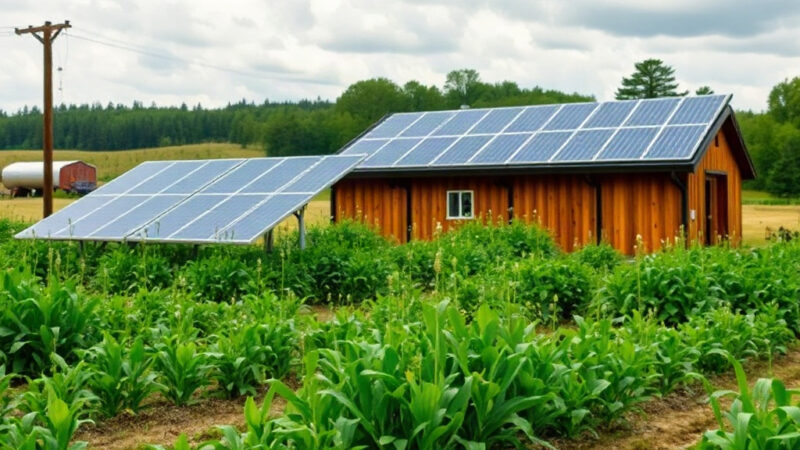
If you run a few acres on a tight budget, cheap renewable energy options for small properties can cut a power bill without a six-figure investment. Most rural households want the same thing: dependable electricity, heat, and hot water at a cost that doesn’t sink the farm account. If you need a practical starting point, you can visit website for ideas on simple systems. This guide covers what each option costs, what it realistically delivers, and how to sequence upgrades so the savings show up early.
Quick answer: Start with efficiency and a small solar setup, then add the renewable source your site suits best. Cut waste first, because every dollar spent on insulation and LED lighting reduces the size of the system you must buy. Expect modest, steady savings rather than a fast payback, and size each system to your real load.
What is cheap renewable energy options for small?
The phrase describes renewable systems scaled to a household or a few acres, built at a cost a small operation can absorb. They share three traits: modest capacity, local materials or off-the-shelf parts, and a focus on offsetting the most expensive energy you buy. A 4-kilowatt solar array on a barn roof is a cheap option. A 400-kilowatt commercial array is not.
Affordability here is relative. Solar panels and small wind turbines still cost real money. The savings come from matching output to need and from doing straightforward work yourself where it is safe and legal. Many homesteaders combine two or three small systems rather than betting everything on one large installation.
These options fall into a few practical categories:
- Solar electric (photovoltaic): panels that make electricity for lights, pumps, and tools.
- Solar thermal: collectors that heat water directly, often the fastest payback.
- Small wind: turbines suited to windy, open sites, usually best above 10 mph average.
- Micro-hydro: a small water turbine where a stream drops steadily year-round.
- Biomass and biogas: wood heat and digesters that turn manure or kitchen waste into gas.
- Geothermal and air-source heat pumps: efficient heating and cooling that cut fuel use.
Each option suits a different site and budget. A shaded valley is poor for solar but may have a reliable stream. A windy ridge rewards a turbine. A dairy with manure to spare can consider a small biogas digester for home use to turn waste into cooking fuel.
The least expensive system is the one matched to your site and load. A modest setup that runs well beats a larger one that sits idle or needs constant repair.
The takeaway: define cheap as the lowest cost per useful kilowatt-hour for your specific property, not the lowest sticker price.
Why cheap renewable energy options for small matter
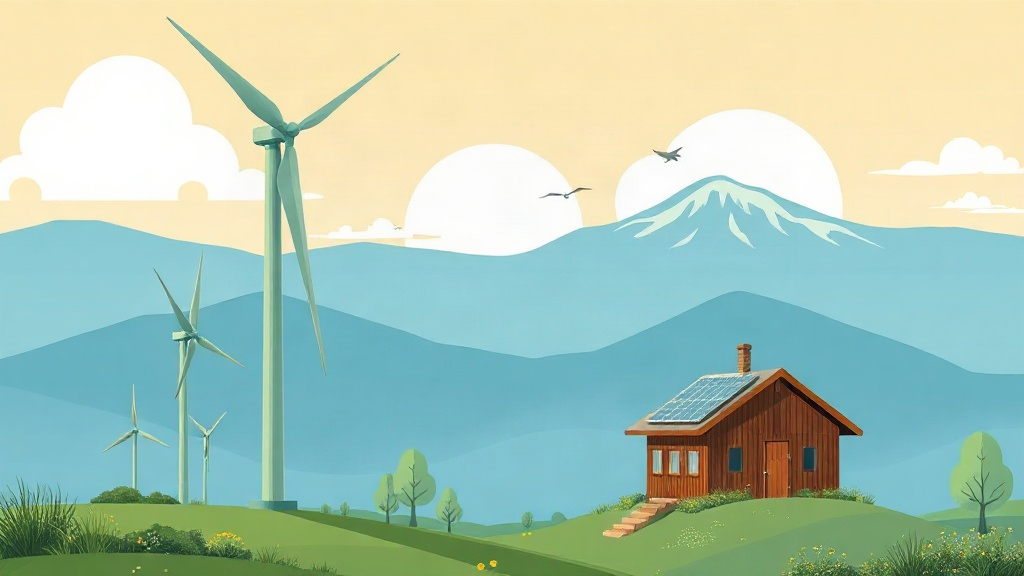
Rural energy costs hit harder than urban ones. Long power lines mean more outages, and propane or delivered fuel adds up over a year. A farm that heats with fuel oil can spend more on heat than on electricity. Renewable options address both bills at once when chosen well.
There is also a resilience argument. A small solar array with battery backup keeps a well pump and freezer running through an outage. That matters when livestock depend on water and a power cut could cost you a season of work. Grid-tied systems without batteries offer no such protection, so plan for storage if reliability is the goal.
Budget stability is another reason. Sunlight and wind are free after installation. Once a system is paid off, the fuel cost is zero, which shields a small operation from price swings in propane, diesel, and grid power. That predictability helps when margins are thin.
Finally, these systems are approachable. A homeowner can install a solar water heater or a small off-grid panel set with basic tools and guidance. Larger projects need a licensed electrician, but the entry point is low. You can add capacity in stages as money allows.
The takeaway: renewable options matter most for cost control and outage resilience, two things small farms feel keenly.
Best practices
Start with an energy audit. Walk your property and list every major load: water heater, well pump, refrigerator, freezers, shop tools, and space heating. Note the wattage and hours of use. This list tells you which upgrades save the most and how big a system you actually need.
Cut demand before you buy supply. Insulation and air sealing usually beat any generator or panel on cost per dollar saved. Swap to LED lighting, fix drafty doors, and insulate the water heater. Every kilowatt-hour you avoid is one you don’t have to generate, store, or pay for.
Size systems to your real load, not your dream load. A common mistake is buying too much capacity. Work from the audit numbers and add a modest margin. For solar, a trusted installer or an online calculator can estimate output from your location and roof angle.
Stage your investments. A sensible order for many homesteads:
- Efficiency upgrades (insulation, LEDs, sealing).
- Solar thermal for hot water, often the quickest payback.
- A small grid-tied solar array for electricity.
- Battery storage or a backup generator for outages.
- Heat pump or biomass heat to replace delivered fuel.
Check incentives and local rules. Many regions offer tax credits or rebates for solar and efficiency work. Confirm permit requirements and grid-connection rules with your utility before buying equipment. Rules vary widely, so verify rather than assume.
Build in maintenance. Panels need occasional cleaning; turbines need inspection; digesters need feeding and checking. Choose systems you can realistically maintain, or budget for service.
The takeaway: audit first, cut waste, size honestly, and stage the work so each step pays for the next.
Common mistakes to avoid
The biggest error is buying equipment before understanding the load. People purchase a large inverter or battery bank, then discover their real demand is far smaller. The reverse also happens: an undersized system that can’t run a well pump on a cloudy week. Measure first.
Ignoring site conditions wastes money. A solar array in shade underperforms for decades. A wind turbine on a low, turbulent site produces little and wears out fast. Micro-hydro needs steady flow and legal water rights. Match the technology to the site, not to a brochure.
Skipping the paperwork causes trouble. Grid-tied systems usually require utility approval, and unpermitted work can void insurance or block a home sale. Water use for hydro is regulated in many areas. Confirm the rules before you dig or wire.
Overestimating payback is another trap. Advertised figures often assume perfect sun, high electric rates, and no maintenance. Real payback is usually longer. Treat projections as optimistic and plan for a slower return.
Neglecting storage and backup leaves you exposed. A grid-tied solar system shuts down during an outage for safety unless it has battery backup. If outage resilience is your goal, budget for storage from the start.
Skipping maintenance shortens equipment life. Dirty panels, loose mounts, and neglected batteries all cost money over time. Build a simple yearly checklist.
Electrical work, gas handling, and structural mounting carry real risk. Use a licensed professional for wiring and gas lines, and follow local codes even on small projects.
The takeaway: most costly mistakes come from rushing the planning stage. Slow down, verify the site and rules, and size from data.
FAQ
How much does a small renewable system typically cost?
Costs vary widely by technology, location, and whether you do the work yourself. Solar thermal and efficiency upgrades are usually the least expensive entry points. A full solar array with batteries costs far more. Get local quotes rather than relying on national averages.
Which option gives the fastest payback?
Solar water heating and efficiency upgrades often pay back quickest because they offset expensive fuel directly. Solar electric payback depends on your electric rate and sun exposure. Wind and hydro can be excellent where the site suits them but cost more upfront.
Can I install solar or a turbine myself?
Some tasks are homeowner-friendly, such as mounting panels or assembling a kit. Grid connection, main panel wiring, and gas work should go to licensed professionals. Check local permit rules, because self-installation may affect warranties and insurance.
Do I need batteries for a solar system?
Only if you want power during outages or live off-grid. A grid-tied system without batteries is cheaper and simpler but shuts down in an outage. Batteries add cost and maintenance, so decide based on how much reliability you need.
What if my site is shaded or not windy?
Choose a technology that fits your conditions instead of forcing one that doesn’t. A shaded site may suit solar thermal on a sunny roof section, biomass heat, or a heat pump. Confirm average wind speed before considering a turbine.
Conclusion
Cheap renewable energy options for small farms work best as a sequence, not a single purchase. Audit your loads, cut waste first, then add the technology your site supports, from solar thermal and small arrays to wind, hydro, or biomass. Size each system from real numbers, verify local rules, and plan for maintenance and backup. A practical first step is to write down your monthly energy costs and your three biggest loads, then price one efficiency upgrade and one renewable option this season. That small comparison turns a vague goal into a plan you can act on.
