
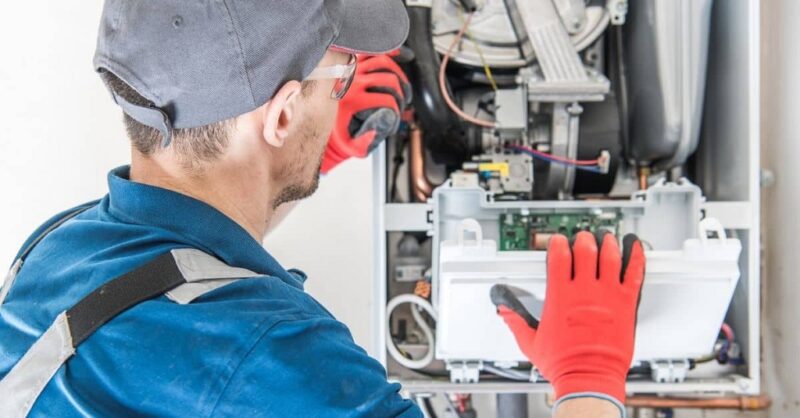
Homeowners love saving money. You hear a strange rattle from the furnace or feel warm air blowing when it should be cold. Instantly, DIY videos look tempting. Yet one wrong move can turn a simple fix into a five-figure nightmare.
The U.S. Consumer Product Safety Commission reports thousands of injuries and fires yearly from DIY gas and electrical appliance repairs. Meanwhile, the EPA notes that improper refrigerant handling by untrained people causes serious environmental damage and hefty fines. These statistics prove HVAC systems demand respect.
So, which path should you choose? This complete guide helps you decide confidently.
Understanding Your HVAC System Basics
Modern heating and cooling systems combine electricity, gas, refrigerants, and smart controls. Furnaces ignite fuel safely. Air conditioners cycle refrigerant through sealed loops. Heat pumps reverse the process seasonally.
Homeowners often underestimate this complexity. A seemingly easy thermostat swap can destroy a control board if wires cross incorrectly. Knowledge gaps create expensive problems fast.
Common DIY HVAC Repairs People Attempt
Curious homeowners tackle certain tasks themselves. However, many quickly regret their choices.
Safe and Recommended DIY Tasks
- Change air filters every 1–3 months
- Clear leaves and debris from outdoor units
- Clean vent covers and returns
- Seal minor visible duct leaks with mastic
Risky DIY Repairs That Usually Backfire
- Replacing capacitors (stored voltage can kill)
- Adding refrigerant without leak repair
- Cleaning condenser coils with garden hoses
- Rewiring thermostats or control boards
- Adjusting gas pressure on furnaces

When DIY Actually Makes Sense
Responsible homeowners perform basic upkeep without worry. These simple habits prevent up to 50% of service calls, according to ENERGY STAR.
Perform these tasks yourself:
- Monthly filter replacement
- Annual visual inspection for ice, rust, or oil leaks
- Keeping condenser unit 2 feet clear on all sides
- Testing carbon monoxide detectors monthly
- Straightening mildly bent coil fins with a fin comb
Red Flags That Demand Professional Help Immediately
Some symptoms scream “call a technician now.” Ignoring them endangers your family and home.
Critical Warning Signs
- Burning plastic or electrical smells
- Hissing or bubbling noises from lines
- Water pooling around furnace or air handler
- Carbon monoxide detector activation
- Repeated breaker trips on startup
- Yellow or lazy flames in gas furnaces
- Ice forming on refrigerant lines in summer
Technicians carry specialized tools: combustion analyzers, micron gauges, infrared cameras, and refrigerant identifiers. They detect hidden dangers you cannot see.
The Hidden Costs of DIY Gone Wrong
Real stories illustrate the risks clearly.
John saved $180 by installing his own blower motor. He mounted it backward. The furnace overheated, cracked the heat exchanger, and leaked carbon monoxide. Final cost: $5,200 plus hospital visits.
Sarah bought a $45 refrigerant kit online. She overcharged her system. The compressor seized three months later. Replacement quote: $3,100.
A 2023 Air Conditioning Contractors of America study found 68% of emergency replacements followed failed DIY or handyman attempts.
Benefits of Hiring Licensed HVAC Professionals
Certified technicians deliver advantages no homeowner can match.
Why Pros Win Every Time
- Full licensing and liability insurance protect you
- Factory-trained diagnostics prevent guesswork
- Genuine OEM parts maintain warranty coverage
- Compliance with local codes and EPA rules
- Ability to perform Manual J load calculations
- Spot small issues before they explode into catastrophes
How to Choose the Right HVAC Company
Great contractors stand out quickly. Follow this checklist:
Vet Technicians Properly
- Confirm active state license and insurance
- Look for NATE or HVAC Excellence certification
- Read recent reviews on Google, Yelp, and BBB
- Ask for three references from the past month
- Get written estimates from at least three companies
- Avoid door-to-door “free inspection” offers
Top companies explain problems clearly and show you photos on their tablets.
The Smart Middle Ground: Partner with Professionals
Savvy homeowners combine both approaches. They handle routine maintenance themselves but schedule professional tune-ups spring and fall. This strategy saves money while protecting safety and equipment life.
Think of it like dental care: you brush daily, but you still see the dentist twice a year.
Decision Flowchart: DIY or Call a Pro?
Ask these questions in order:
- Does the repair involve refrigerant, gas lines, or voltages above 24V? → Call a pro
- Could a mistake cause fire, flood, or poisoning? → Call a pro
- Is the equipment under warranty? → Call a pro (DIY voids coverage)
- Do you own professional diagnostic tools? → Call a pro
- Are you 100% confident in the repair? → If no, call a pro
When in doubt, choose the professional route.
Related Topics: What is Pink Insulation Made of
Conclusion: Protect Your Home, Health, and Wallet
DIY HVAC repair tempts everyone with promises of quick savings. Reality often proves far different. One small error can void warranties, damage expensive components, or create life-threatening hazards.
Yet smart homeowners absolutely should change filters, clear debris, and monitor performance. These habits extend system life dramatically.
For everything beyond basic upkeep, trust licensed professionals. Your family’s safety deserves nothing less.
Take action today—schedule a professional HVAC inspection before winter hits. One visit now can save thousands later.
Related Topics: How to Make a Baby Go to Sleep Fast
FAQs
Can I really save money with DIY HVAC repairs?
Yes—on basic maintenance like filters and cleaning. Complex repairs almost always cost far more when DIY attempts fail.
Will DIY work void my HVAC warranty?
Almost always. Manufacturers require professional service to honor 5–12 year parts coverage.
How often should professionals service my HVAC system?
Twice yearly: once in spring for cooling, once in fall for heating. This catches 90% of major failures early.
Is it illegal to add refrigerant myself?
Yes. EPA Section 608 certification is mandatory. Uncertified handling carries fines up to $50,000 per incident.
What’s the average HVAC lifespan with proper care?
Central AC: 15–20 years. Gas furnaces: 18–25 years. Professional maintenance adds 5–10 extra years.
