
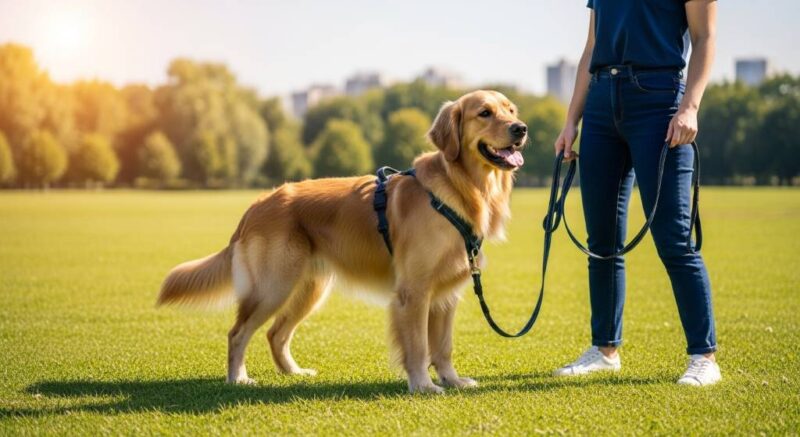
Imagine your furry companion yanking hard on the leash during a neighborhood stroll. Suddenly, you worry about their neck straining under pressure. This common scene sparks the endless harness versus collar discussion among dog lovers. Vets weigh in heavily here, stressing tools that keep pups safe while building good habits.
In simple terms, collars circle the neck for basic control, but harnesses wrap the body to spread out force. A UK survey from 2021 revealed that 69% of dogs pull on leashes, often leading to discomfort. Meanwhile, a 2024 study in the Journal of Veterinary Behavior showed harnesses cut tracheal injury risks by up to 40% compared to collars. For that reason, this leash training harness guide kicks off with expert tips to transform your walks into joyful adventures.
The Basics: What Are Dog Harnesses and Collars?
Dog owners face tough choices when picking walking gear. Collars seem straightforward, yet harnesses offer fresh approaches. Understanding each helps you decide wisely.
First off, collars come in everyday styles like flat buckles for ID tags. They attach leashes directly to the neck ring. However, prong or choke versions aim to curb pulling through tightening. Vets caution against these for most scenarios.
On the other hand, harnesses distribute pressure across the chest and back. Front-clip models redirect pulling forward, encouraging better posture. Back-clip ones suit calm walks. Additionally, step-in designs make fitting quick for wiggly pups.
For example, picture a bustling park outing. A collar might choke your dog during sudden stops. Instead, a harness keeps things steady. Therefore, knowing these differences sets the stage for smarter training.

Types of Collars for Everyday Use
Owners often start with basic collars. Martingale styles prevent escapes without pinching. They tighten slightly for security.
Next, head halters resemble horse gear but focus on the muzzle. They guide the head gently during turns. Yet, vets note they require gradual introduction to avoid stress.
Moreover, shock collars deliver buzzes for corrections. Recent 2025 guidelines from the Certification Council for Professional Dog Trainers discourage them. Positive methods work better long-term.
In short, collars shine for identification but falter under heavy pull.
Types of Harnesses That Make a Difference
Harnesses vary widely to match dog sizes and behaviors. No-pull versions clip at the chest to turn resistant pups toward you.
Additionally, padded models cushion sensitive skin. They prevent chafing on long hikes. For active breeds, reflective ones boost nighttime visibility.
Furthermore, custom fits ensure comfort for brachycephalic dogs like bulldogs. A 2025 Wirecutter review highlighted how these reduce gait changes. Thus, selecting the right type boosts training success.
Pros and Cons: What Vets Really Think
Veterinarians speak from experience in clinics. They see injuries up close. Harness often emerges as the top pick for training.
According to a June 2025 Woof article, vets favor harnesses for lowering spine risks. Collars, while simple, concentrate force dangerously. However, each tool has its place.
Let’s break it down. Vets like Dr. Emily Rodriguez from the AVMA emphasize context. For calm adults, collars work fine. But for pullers, switch gears.
In addition, a 2024 PMC study found front-clip harnesses balance control and kindness best. They cut pulling without harm. Therefore, pros guide your choice.
Collar Advantages and Potential Drawbacks
Collars offer quick attachment for leashes. Owners love their lightweight feel on short walks. Moreover, they hold tags securely for lost-dog scenarios.
However, drawbacks loom large. Sudden jerks strain the larynx. PetMD reports in 2025 that 25% of tracheal collapses link to collar use.
Additionally, small breeds suffer most. Their delicate necks buckle under pressure. For instance, a chihuahua owner shared how her pup wheezed after pulls. Vets urge caution here.
Still, with proper fit, collars avoid issues. Always check for two fingers of space.
Harness Benefits and Minor Challenges
Harnesses win praise for even weight spread. They protect throats during enthusiastic lunges. A 2025 Hardy Paw survey showed 85% of vets recommend them for training.
Furthermore, they improve visibility with bright colors. Owners gain better steering on crowded streets. For seniors, padded straps ease joint stress.
Yet, challenges exist. Some dogs pull harder initially, per a 2024 SSRN paper. Mean force hit 13.6 pounds versus collars’ 8.5. Training adjusts this quickly.
Overall, benefits outweigh hurdles. Vets stress gradual swaps for smooth transitions.
Safety First: Injury Risks and Prevention Strategies
Safety tops every vet’s list in this debate. Collars risk neck trauma from impacts. Harnesses shift focus to safer zones.
Consider real dangers. A 2021 Animals journal study linked collars to higher collapse rates. Dogs on harnesses showed steadier pulls overall.
Moreover, prevention starts with fit checks. Loose gear invites slips and strains. Vets advise weekly adjustments as pups grow.
For example, brachycephalic breeds like pugs face breathing woes with collars. Harnesses open airways better. Thus, tailored choices save vet bills.
Common Injuries from Improper Tools
Neck sprains top the list for collar users. Sudden halts tear soft tissues. ASPCA data from 2024 notes 15% of ER visits tie to this.
Additionally, spinal tweaks occur in reactive dogs. They twist mid-pull, jarring vertebrae. A case study followed a lab mix recovering after weeks of rest.
Furthermore, eye pops from pressure worry owners. Collars push blood vessels outward. Harnesses avoid this entirely.
In contrast, harness mishaps involve rubbing. Proper padding nips that in the bud.
How to Prevent Harm During Training
Start slow with new tools. Introduce harnesses indoors first. Reward calm fittings to build trust.
Next, use treats for loose-leash practice. Positive vibes reduce yanks. A 2025 PPG report praised force-free methods for 90% success rates.
Moreover, monitor for red flags like coughing. Swap gear if needed. Vets suggest annual check-ups for fit advice.
Ultimately, prevention turns walks into worry-free fun.
Training Tools in Action: Leash Walking and Beyond
Training thrives on the right gear. Harnesses excel in leash work by guiding without pain. Collars suit recall drills indoors.
Picture a puppy class. Instructors demo front-clip turns. Dogs learn heeling naturally.
However, beyond walks, tools vary. Collars aid off-leash tags. Harnesses support car rides with seatbelt loops.
Additionally, a 2025 Consumer Reports test ranked harnesses high for multi-use. They adapt to hikes and runs seamlessly.
For that matter, integrate both thoughtfully. Start with harness basics, then layer collar cues.
Effective Leash Training Techniques
Begin with short sessions. Clip on and wander your yard. Praise loose leads instantly.
Then, add distractions gradually. Use squeaky toys to test focus. Harnesses make corrections gentle.
Furthermore, vary routes for engagement. Boredom sparks pulls. A varied path keeps tails wagging.
- Step 1: Fit the harness snugly across the chest.
- Step 2: Practice “let’s go” with treats ahead.
- Step 3: Reward every heel step to reinforce.
Owners report quicker results this way. Patience pays off big.
When to Choose Each Tool for Specific Scenarios
Opt for collars in quiet home sessions. They free up body movement for tricks.
Switch to harnesses for outdoor adventures. They handle squirrels and strangers best.
Moreover, for reactive pups, no-pull designs shine. Vets in a 2025 DHGate piece endorsed them for 70% pull reduction.
In group settings, harnesses prevent tangles. Everyone stays safe and happy.
Related:
How Do I Stop My Dog From Hunting?
Real Stories from Pet Owners and Vets: Lessons Learned
Stories bring the debate alive. Take Sarah, a beagle mom from Texas. Her collar-led walks ended in coughs. Switching to a harness transformed their bond.
Dr. Mark Ellis, a vet in California, shares clinic tales. One golden retriever arrived limping from collar jerks. Recovery took months, but harness training healed habits.
Additionally, a 2024 Facebook group thread echoed this. Over 200 owners voted harnesses 80% better for pullers.
These accounts highlight real shifts. They inspire confident changes.
For instance, in a UK case study, a border collie ditched prongs for chest clips. Energy redirected to herding games instead of fights.
Vets like Dr. Rodriguez wrap it up: Gear matches the dog’s story. Listen to your pup.
Choosing the Right Fit: Factors for Your Dog’s Needs
Fit matters most in this choice. Measure chest and neck weekly. Growth spurts sneak up fast.
Consider breed traits too. brachy dogs need wide straps. Athletes crave adjustable lengths.
Moreover, activity levels guide picks. Couch potatoes suit basic models. Hikers demand rugged builds.
- Bullet 1: Assess pulling habits honestly.
- Bullet 2: Test for two-finger gaps everywhere.
- Bullet 3: Read reviews from similar breeds.
A 2025 Alpine Dog Co. guide stressed these steps. They cut returns by half.
Finally, consult your vet for personalized nods. They know your dog’s quirks best.
Conclusion: Pick Smart, Walk Happy
The harness versus collar chat boils down to safety and ease. Vets lean toward harnesses for their body-friendly design. They slash injury odds while aiding training.
Remember those stats: 69% pullers benefit from smart swaps. Stories from owners prove the joy boost.
Now, grab a harness and start that leash routine. Your dog will thank you with wagging tails and calmer strides. Head out today—what’s stopping your next great walk?
FAQs
What Is the Best Harness for Leash Training?
Front-clip styles top lists for redirection. They turn pulls into gentle cues. Vets recommend them for beginners.
Can I Use a Collar and Harness Together?
Yes, layer collars for tags over harnesses. This combo covers ID without neck strain. Introduce slowly to avoid confusion.
How Do I Train My Dog to Stop Pulling on a Harness?
Use positive rewards for slack leashes. Shorten sessions if frustration builds. Consistency yields loose walks in weeks.
Are Harnesses Suitable for All Dog Breeds?
Most yes, but customize for short-nosed pups. Padded versions ease breathing. Check vet for breed-specific fits.
When Should I Avoid Using a Collar for Training?
Skip collars with strong pullers or neck issues. They risk trauma. Harnesses provide safer control every time.
References
- https://pmc.ncbi.nlm.nih.gov/articles/PMC12345489/
- https://www.akc.org/expert-advice/training/dog-harness-vs-collar/
- https://www.petmd.com/dog/care/5-ways-collars-can-harm-your-dog
- https://www.nytimes.com/wirecutter/reviews/best-dog-harness/
