
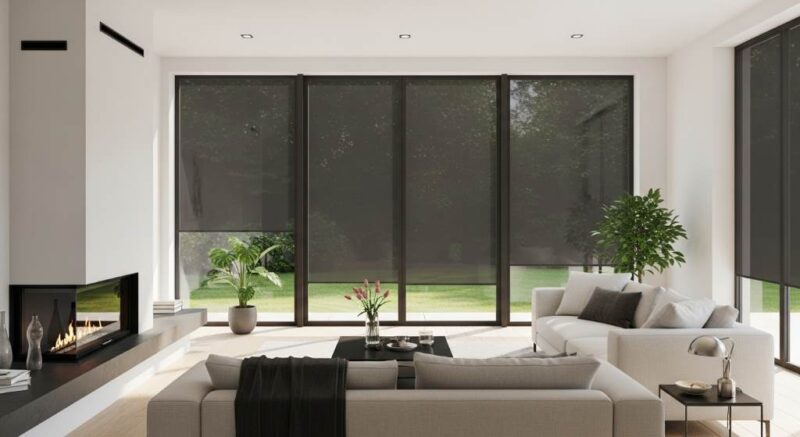
Tinting isn’t just a technical add-on. It lives right at the intersection of light, comfort, privacy, and aesthetics. If you’re an interior designer, you already know the tension. You pour creativity into spaces, solve real problems for clients, and still feel boxed in by project-based income. One month is full, the next feels uncomfortably quiet. Exploring window tinting business opportunities can help you expand your portfolio and polish your skills. Here are four business ideas you don’t want to ignore.
1. Design-Led Residential Tint Consulting
Most homeowners don’t wake up thinking about window film. They just know their living room is too bright in the afternoon, or their gorgeous bathroom feels exposed at night. That gap between discomfort and solution is where you come in.

As a designer, you already speak the homeowner’s language. You understand how light moves through a space, how glare affects mood, and how privacy impacts comfort. Offering design-led tint consulting allows you to recommend solutions that are intentional and functional. When you frame tinting as a design decision rather than a utility fix, clients listen. And they trust you, because you’re already their guide.
2. Commercial Office and Studio Enhancements
Let’s be honest, commercial spaces are often visually boring and functionally frustrating. Glare on screens, overheated conference rooms, and zero privacy in glass-heavy layouts are everywhere. Interior designers see these problems immediately. Business owners usually don’t, at least not until productivity drops.
Offering window tinting as part of a commercial design package can change that. You’re not just decorating an office; you’re improving how people work inside it. Solar control films, decorative films, and privacy solutions all have a role here.
What makes this especially appealing is scalability. Commercial clients tend to think long-term. If you help one office solve comfort and visibility issues, you often get referrals within the same building or network. One project can quietly turn into many, without constant re-selling.
3. Decorative and Architectural Film as a Design Feature
Decorative window films are practical, visual elements. Frosted patterns, gradients, textured looks, even custom designs can act like architectural details rather than afterthoughts.
As a designer, you can treat film the way you treat wallpaper or millwork. It becomes part of the concept. This idea is often overlooked because people think “tint” equals dark or reflective. But decorative films open up a whole different lane, one that aligns perfectly with design-minded professionals who want to stand out rather than compete on price.
4. Post-Design Retrofits for Existing Clients
Here’s a simple truth: not every client gets everything right the first time. Sometimes budgets run out. Sometimes needs change. Sometimes a space looks amazing but doesn’t feel right once it’s lived in.
Offering window tinting as a post-design retrofit gives you a second touchpoint with past clients. You’re not upselling; you’re finishing the story. Maybe the nursery needs softer light. Maybe the home office needs less glare. Maybe privacy matters more.
This approach can build trust and recurring revenue. Clients appreciate that you’re thinking beyond the initial install, and you stay top-of-mind long after the final reveal. It’s low pressure, high value, and deeply aligned with how designers naturally think about evolving spaces. Discover What Can I Do With Space Between Two Windows?
Summing Up
Window tinting doesn’t pull you away from design: it deepens it. Each of these business ideas builds on skills you already use every day: understanding light, anticipating comfort issues, and translating abstract needs into real solutions.
You don’t have to do all four. Honestly, even one can open new income streams and creative satisfaction. The key is seeing tinting not as a technical service, but as another design tool that can solve problems clients have.
