
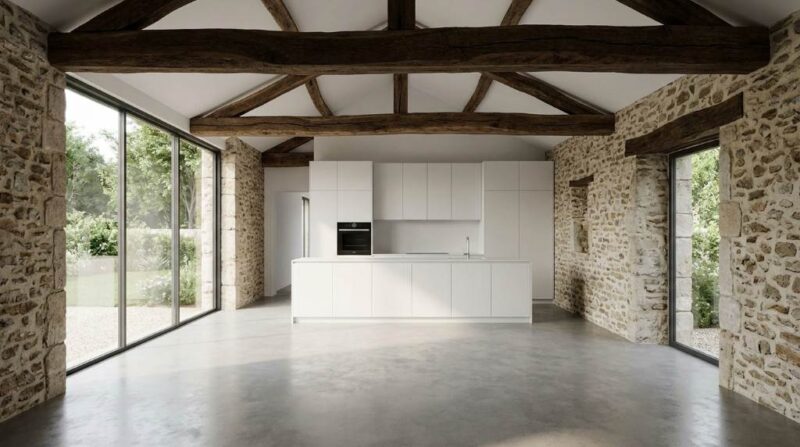
Contemporary design works best when it pairs classic architectural details with clean, modern functionality instead of copying one style completely. Focus on natural materials, balanced proportions, and thoughtful contrast because those choices create a timeless home that feels warm every day. More than 80% of homeowners rank comfort among their highest priorities, while many remodeling projects recover around 70% of their value through lasting design choices.
Why This Style Feels Timeless
Old World interiors carry history through texture, craftsmanship, and carefully aged materials that invite people into comfortable everyday living. Contemporary design brings simplicity, practical layouts, and efficient features that support modern routines without unnecessary visual noise.
Together, these approaches create rooms that feel elegant without becoming overly formal or outdated as design trends change. Instead of competing, each style highlights the strengths that the other naturally lacks through balanced visual relationships.
Understanding The Foundation
Before combining styles, identify which traditional features deserve preservation because authentic details carry lasting character. Original beams, stone fireplaces, wood flooring, and arched openings often become the strongest visual anchors.
Modern additions should support those features instead of hiding them behind unnecessary decorative layers or oversized furniture. This approach keeps the space feeling intentional rather than accidentally mixed.
What Defines Old World Charm
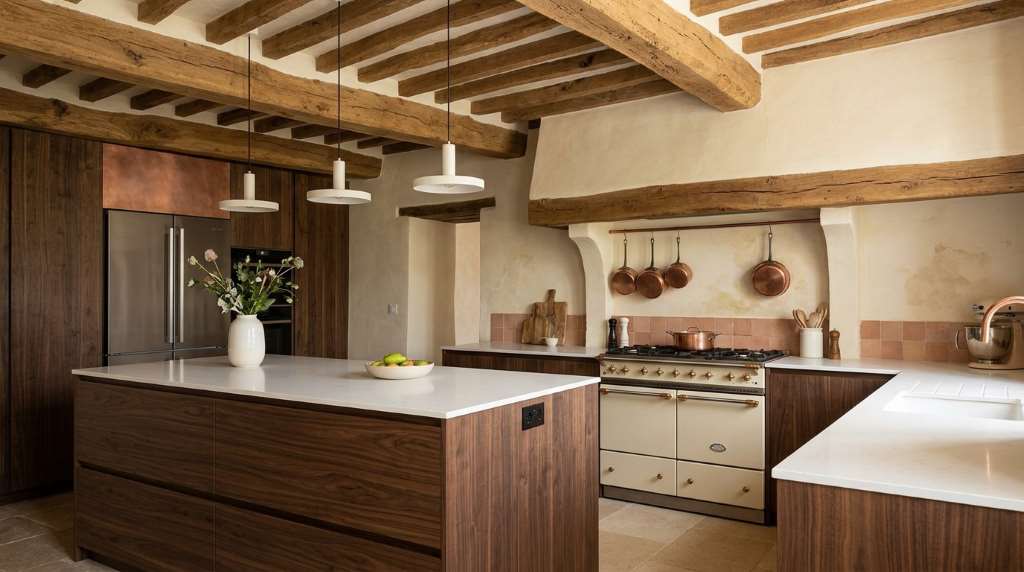
Traditional European inspired interiors often emphasize craftsmanship instead of mass-produced decoration because handmade details create lasting visual depth. Rich wood tones, textured plaster, aged metals, and carved details naturally create warmth throughout every room.
Those materials develop attractive patina over time instead of losing appeal after years of everyday use. Consequently, they continue looking authentic as the home evolves.
What Makes Contemporary Design Work
Modern interiors prioritize simplicity because clear layouts reduce visual clutter and improve everyday comfort throughout active households. Neutral colors, streamlined furniture, hidden storage, and generous natural light create a fresh atmosphere.
These elements also allow older architectural features to receive more attention without overwhelming the room. As a result, every design decision feels more deliberate.
Start With Architectural Features
Architecture should lead every design decision because structural elements create permanent visual identity throughout the entire home. Preserve authentic features whenever possible before replacing them with newer alternatives.
Original moldings, brick walls, ceiling beams, and hardwood floors often become the strongest investment in timeless interiors. Even restored imperfections frequently add more personality than perfect replacements.
Preserve Existing Character
Repair old wood instead of replacing it whenever practical because restoration often keeps valuable craftsmanship intact for future generations. Refinishing floors, repairing doors, and refreshing decorative trim usually deliver impressive results.
Small repairs often preserve authenticity while reducing renovation costs compared with complete replacement projects. Therefore, careful restoration deserves priority whenever possible.
Add Modern Enhancements Carefully
Modern lighting, efficient insulation, and improved windows can increase comfort without removing historic personality from meaningful spaces. Choose upgrades that respect existing proportions and original materials whenever possible.
Hidden improvements often provide the greatest comfort while remaining visually invisible throughout finished rooms. Consequently, practical performance improves without sacrificing timeless appeal.
Balance Traditional And Modern Materials
Material selection determines whether blended interiors feel harmonious or disconnected because surfaces occupy most visible space throughout every room. Choose authentic materials that complement each other naturally.
Avoid making every surface appear either brand new or heavily distressed because contrast should feel intentional instead of forced. Balanced finishes create more believable visual relationships.
Wood Creates Lasting Warmth
Natural wood immediately softens contemporary interiors because organic grain introduces visual movement without overwhelming simple spaces. Oak, walnut, and reclaimed timber work especially well.
Mix darker antique inspired pieces with lighter modern finishes because thoughtful contrast creates greater visual richness. This combination also prevents rooms from feeling overly heavy.
Stone Adds Authentic Texture
Stone introduces permanence because its natural variation creates depth that manufactured finishes rarely achieve consistently. Fireplaces, kitchen backsplashes, and flooring benefit particularly from this material.
Limestone, travertine, and slate pair beautifully with sleek cabinetry because rough and smooth surfaces balance each other naturally. As a result, the room feels both refined and welcoming.
Metal Connects Both Styles
Metal finishes bridge traditional and modern design because they introduce subtle contrast through texture and reflective qualities. Aged brass, bronze, and matte black remain versatile choices.
Use consistent finishes across lighting, hardware, and fixtures because repetition creates stronger visual cohesion. However, avoid matching every metallic detail perfectly.
Choose A Cohesive Color Palette
Color quietly controls emotional atmosphere because it influences how every material appears throughout changing daylight conditions. Start with a calm foundation before adding richer accents.
Soft whites, warm creams, gentle taupe, and muted gray create flexible backgrounds for layered decorating. These shades also highlight natural textures more effectively.
Build Around Neutral Foundations
Neutral walls allow traditional details to shine because decorative trim and antique furniture become stronger visual focal points. They also help modern furniture appear lighter.
This balance keeps spaces feeling bright without sacrificing warmth or character throughout every season. Consequently, future decorating changes become much easier.
Add Rich Accent Colors
Deep olive, navy, terracotta, and burgundy introduce historical richness because those colors naturally complement wood and stone surfaces. Use them thoughtfully through smaller decorative elements.
Accent colors work especially well through pillows, artwork, rugs, and upholstery because those pieces remain easier to update later. Therefore, bold choices feel less risky.
Select Furniture With Purpose
Furniture should create conversation between generations because meaningful contrast makes blended interiors feel collected instead of purchased together. Focus on proportion before decoration.
Mix heirloom inspired pieces with contemporary silhouettes because balance matters more than strict matching throughout every room. Each piece should contribute a clear purpose.
Mix Silhouettes Thoughtfully
A carved dining table pairs beautifully with modern chairs because contrasting shapes create interesting visual dialogue without appearing chaotic. Likewise, streamlined sofas complement antique side tables.
Keep furniture scale balanced because oversized pieces can overpower delicate architectural details throughout smaller spaces. Consistent proportions preserve visual harmony.
Prioritize Comfort
Timeless rooms should support everyday living because beautiful spaces lose value when they feel uncomfortable during regular use. Choose quality seating with durable upholstery.
Comfort encourages longer gatherings while helping the home remain inviting throughout changing lifestyles and family needs. Consequently, practicality strengthens lasting appeal.
Layer Textures Instead Of Decorations
Texture creates emotional warmth because varied surfaces stimulate visual interest without relying on excessive decorative accessories. Layer materials gradually rather than all at once.
Natural fabrics, woven baskets, ceramic pieces, and linen curtains create comfortable depth throughout contemporary spaces with traditional influence. Each layer should feel purposeful.
Use Soft Textiles
Linen, wool, and cotton soften harder materials because fabric introduces warmth against stone, wood, and metal surfaces. Layer rugs for additional comfort.
Natural fibers also age gracefully while maintaining timeless appeal through changing decorating trends and seasonal updates. Therefore, they remain reliable long term investments.
Display Handmade Objects
Handcrafted pottery, woven accessories, and artisan artwork strengthen authenticity because imperfect details often create stronger emotional connection. Limit decorative collections carefully.
Leaving empty space around meaningful objects helps each piece receive more attention without creating unnecessary clutter. This restraint improves overall elegance.
Make Lighting Feel Warm And Inviting
Lighting shapes atmosphere because brightness alone never creates genuine comfort throughout living spaces. Layer different light sources instead of relying exclusively on ceiling fixtures.
Warm white bulbs generally create the most welcoming appearance because they complement traditional materials beautifully during evening hours. Consistent lighting improves visual balance.
Combine Multiple Light Sources
Table lamps, wall sconces, and pendant lights create flexible illumination because different activities require different lighting levels. This layered approach increases functionality.
Multiple sources also reduce harsh shadows while highlighting architectural details more effectively throughout every room. Consequently, spaces feel softer after sunset.
Highlight Historic Details
Aim lighting toward beams, fireplaces, or textured walls because focused illumination celebrates craftsmanship without demanding excessive decoration. Subtle emphasis creates memorable visual moments.
This strategy keeps traditional features visible while preserving a calm contemporary atmosphere throughout the surrounding space. Balance remains the central goal.
Create Functional Modern Spaces
Beautiful homes should support everyday routines because timeless design succeeds through practical performance rather than appearance alone. Organize rooms around real habits.
Hidden storage, efficient layouts, and durable finishes help preserve visual calm throughout busy households without reducing historic charm. Practical planning strengthens lasting comfort.
Keep Kitchens Practical
Contemporary cabinetry works beautifully beside rustic shelving because contrasting materials create balanced visual interest without sacrificing storage capacity. Integrated appliances maintain cleaner sightlines.
Stone countertops and traditional hardware strengthen continuity while preserving everyday convenience throughout active cooking spaces. Therefore, function and character remain equally important.
Refresh Bathrooms Thoughtfully
Modern fixtures pair well with vintage mirrors because reflective contrast creates elegant balance without overwhelming compact rooms. Natural stone enhances lasting appeal.
Choose timeless finishes over short lived trends because replacement becomes more expensive after installation. Careful planning protects long term satisfaction.
Common Mistakes To Avoid
Many blended interiors fail because designers chase trends instead of creating meaningful relationships between old and new elements. Avoid rushing important decisions.
Recognizing common mistakes early often prevents expensive redesigns while preserving stronger long term visual consistency throughout the entire home. Patience produces better results.
Instead of repeating decorative themes everywhere, allow each room to develop subtle personality while maintaining overall continuity. Variety strengthens authenticity without reducing cohesion.
Keep these pitfalls in mind:
- Using too many distressed finishes together
- Mixing unrelated historical styles without purpose
- Ignoring furniture proportions
- Over decorating every surface
- Choosing cold lighting throughout the home
A Simple Room By Room Strategy
Working gradually reduces overwhelm because each completed room builds confidence before larger renovation decisions become necessary. Start where daily life matters most.
Living rooms often deliver the quickest transformation because furniture, lighting, and textiles create immediate visual impact. Early success encourages consistent progress.
Follow this practical sequence:
- Preserve original architectural features first
- Paint walls using warm neutral colors
- Add contemporary seating beside classic pieces
- Layer natural textiles and textured accessories
- Finish with warm lighting and meaningful artwork
Conclusion
Blending Old World Charm With Contemporary Design succeeds when every choice respects history while supporting modern living with equal confidence. Preserve meaningful character, introduce thoughtful updates, and prioritize comfort because timeless interiors always feel authentic rather than trendy. Start with one room today, apply these principles carefully, and build a home that remains welcoming for years ahead.
FAQs
How do I blend Old World charm with contemporary design without making rooms feel outdated?
Combine preserved architectural features with streamlined furniture and warm neutral colors for balanced timeless appeal.
What colors work best for this blended design style?
Warm whites, cream, taupe, olive, navy, and terracotta create the strongest balanced foundation.
Can modern furniture work with antique pieces?
Yes, balanced proportions help contemporary furniture complement antique pieces naturally.
Which materials create the most authentic timeless look?
Natural wood, stone, linen, wool, brass, and bronze create lasting authentic character.
Should I restore original features before renovating?
Yes, preserving original architectural details usually creates stronger long term value and personality.
