
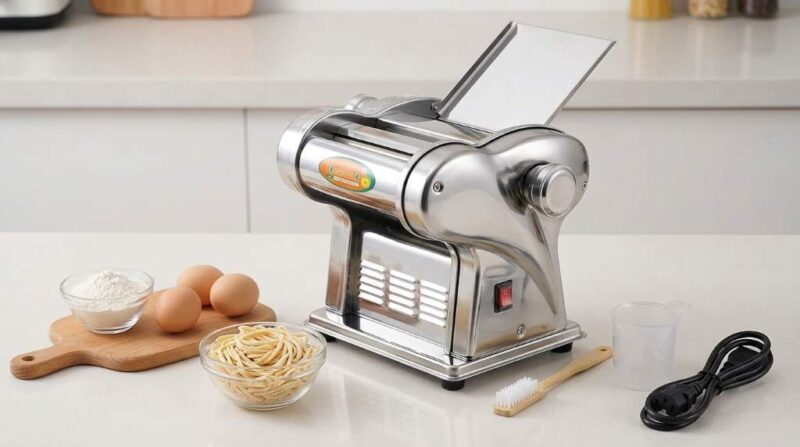
Yes, the Newhai Electric Pasta Maker can simplify fresh pasta preparation by rolling and cutting dough electrically. Americans consume about 5.95 billion pounds of pasta annually, while average consumption reaches roughly 20 pounds per person. For home cooks exploring pasta kitchen gadgets, this machine offers practical automation without requiring a commercial-sized setup.
Key Takeaways
- Newhai combines dough rolling and noodle cutting in one countertop appliance.
- Many versions use a 135W motor and stainless-steel construction for home preparation.
- Adjustable dough thickness gives you better control over pasta texture and shape.
- Blade configurations vary, so confirm the exact model before purchasing.
- The machine suits family cooking better than continuous commercial production.
- Proper dough preparation matters as much as the machine itself.
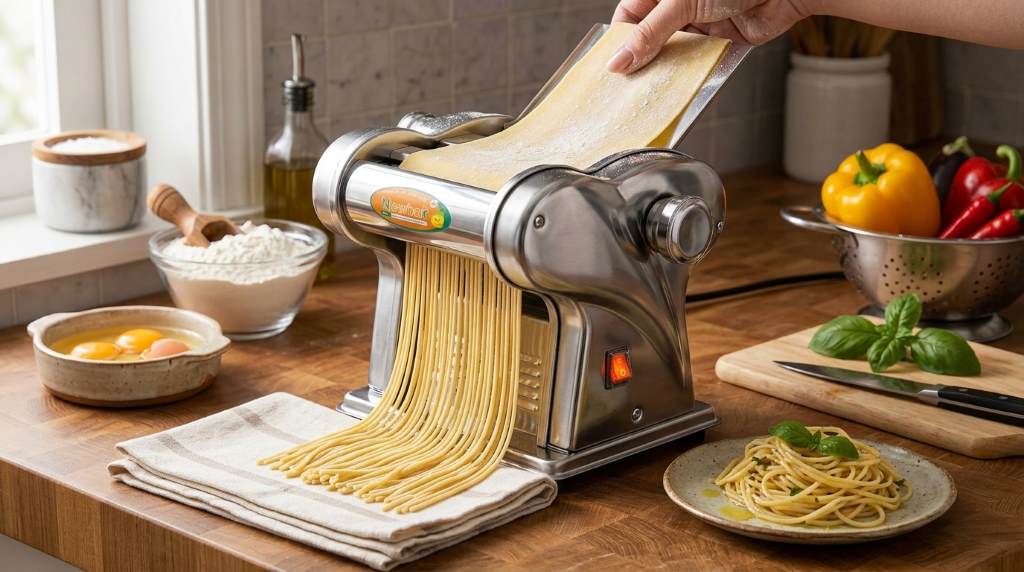
Why the Newhai Electric Pasta Maker Deserves Kitchen Space
A pasta maker earns its place when it removes repetitive work without removing control. The Newhai Electric Pasta Maker focuses on that balance through powered rolling and cutting. Therefore, you spend less time turning handles and more time shaping meals, sauces, and fresh pasta combinations.
Current product listings describe several Newhai configurations, so buyers should compare specifications carefully. One commonly listed home model uses a 135W motor, 430 stainless steel construction, and adjustable dough thickness from 0.5 to 3mm. Another configuration offers three cutting options, including 2.5mm spaghetti, 4mm wide noodles, and 9mm fettuccine.
That variation matters because the phrase “Newhai Electric Pasta Maker” can describe more than one configuration. Before ordering, verify the blade count, noodle sizes, voltage, dimensions, and model number. This simple check prevents disappointment when the delivered machine differs from a listing you previously viewed.
Your surrounding kitchen setup also affects how enjoyable the machine becomes. If you are updating your workspace, these kitchen bath modernization tips can help you create a more functional preparation area.
What Makes Electric Rolling Different?
Manual pasta machines require one hand for the crank while the other guides the dough. Electric operation reduces that coordination problem and makes repeated rolling considerably easier. As a result, beginners can focus more closely on dough consistency and thickness.
The motor also helps when you prepare several servings for family meals. Instead of repeatedly turning a handle, you guide each dough sheet through the rollers. However, you still need to monitor the dough because automation cannot correct poorly mixed or excessively sticky dough.
Newhai Electric Pasta Maker Features That Matter
The most useful feature depends on how you actually prepare pasta at home. Newhai models commonly emphasize stainless-steel construction, powered operation, adjustable thickness, and interchangeable cutting functions. Together, these features create a practical workflow for fresh noodles.
For a deeper look at the broader role of texture and materials in kitchen design, these Tuscan kitchen textures replace modern finishes in an interesting way. Meanwhile, the pasta machine itself benefits from a simple, easy-to-clean work area.
Adjustable Dough Thickness
Thickness control gives you much more flexibility than a machine with one fixed roller setting. Common Newhai specifications provide a range between approximately 0.5mm and 3mm. Consequently, you can create thicker sheets for some preparations and thinner sheets for delicate noodles.
Start with a wider setting before gradually reducing the thickness. This approach lets the rollers grip the dough smoothly while preventing unnecessary strain. Additionally, gradual reduction helps produce a more even sheet with fewer ragged edges.
Stainless-Steel Construction
Stainless steel gives the machine a substantial feel while supporting routine kitchen use. Several Newhai listings identify 430 stainless steel for the body and food-contact components. The material also makes flour residue easier to remove when you clean the machine correctly.
However, stainless steel does not mean you should soak the entire appliance. Keep moisture away from electrical components and follow the supplied cleaning instructions. Most importantly, remove dough residue before it hardens around rollers or cutting mechanisms.
Motor and Home-Kitchen Capacity
A commonly listed Newhai home model uses a 135W motor and targets household preparation. Some product descriptions advertise output around 11 pounds per hour under specified conditions. That figure should not become your everyday expectation because dough consistency and operating time affect real output.
For family dinners, the capacity provides more than enough practical performance. However, frequent commercial production demands a heavier machine designed for longer duty cycles. Choose the equipment according to your workload rather than the highest advertised output.
How to Use the Newhai Electric Pasta Maker Correctly
The machine becomes easier to use when you treat dough preparation as the first stage of the process. Begin with a properly mixed dough that feels firm, smooth, and workable rather than wet. Then allow the dough to rest according to your recipe before feeding it through the rollers.
First, divide the dough into manageable portions and flatten each portion by hand. Next, select a relatively wide roller setting and feed the dough through steadily. Afterward, reduce the thickness gradually until the sheet reaches the consistency your recipe requires.
Once the sheet looks even, switch to the appropriate cutting function. Guide the pasta forward without pulling aggressively because excessive force can distort the strands. Finally, separate the noodles gently and dust them lightly with flour if they feel sticky.
A Simple First-Batch Workflow
- Mix a firm pasta dough and knead it until reasonably smooth.
- Rest the dough before attempting to roll it.
- Cut the dough into smaller portions for easier handling.
- Flatten each portion before feeding it into the rollers.
- Start thick and gradually reduce the roller setting.
- Choose the cutter that matches your intended pasta shape.
- Separate the finished strands and dust them lightly when necessary.
- Cook immediately or dry and store according to your recipe.
This workflow reduces unnecessary pressure on the rollers and produces more consistent sheets. More importantly, it helps beginners identify whether problems originate from the machine or the dough. In most cases, uneven pasta starts with dough that needs better hydration, kneading, or resting.
Best Pasta Dough Approach for Electric Rolling
Good equipment cannot rescue a poorly balanced dough. Fresh pasta generally needs enough hydration to bind the flour while remaining firm enough to pass cleanly through rollers. Therefore, add liquid gradually rather than following measurements blindly.
Egg-based dough works particularly well for many fresh pasta styles. Meanwhile, flour-and-water dough can suit simpler noodles and certain regional preparations. Your chosen flour also changes elasticity, tenderness, color, and the amount of liquid required.
If the dough cracks during rolling, it may need additional hydration or resting. Conversely, sticky dough usually needs additional flour and better surface management. Make small adjustments because excessive flour can produce tough pasta with a dull texture.
Why Resting Matters
Resting gives flour time to absorb moisture and allows gluten structure to relax. Consequently, the dough becomes easier to roll without constantly shrinking back. Skipping this stage often makes beginners blame the machine for problems caused by dough behavior.
Cover the dough during resting so the surface does not dry out. Then test a small portion before processing the entire batch. This quick check can save ingredients when your hydration needs adjustment.
Cleaning and Maintenance Without Damaging the Machine
Cleaning deserves attention because flour and dough can collect inside mechanical components. Always switch off and unplug the machine before cleaning or changing cutting attachments. Then remove loose flour and dried dough using an appropriate dry brush or cloth.
Avoid flooding the machine with water, especially around the motor and electrical housing. Instead, clean accessible surfaces according to the manufacturer’s instructions. If dough sticks firmly, allow it to dry enough for careful removal rather than forcing it into narrow gaps.
Kitchen odors can also linger when flour, grease, or food residue accumulates around nearby cabinets. If that becomes an issue, this guide explains remove grease smell kitchen cabinets naturally. Keeping the surrounding workspace clean also makes pasta preparation more pleasant.
Important First-Use Precaution
Some Newhai product instructions recommend repeatedly running a piece of dough through the rollers before making food. This process helps remove residual protective grease associated with manufacturing. Follow the specific instructions supplied with your model rather than assuming every Newhai machine uses identical procedures.
Pay attention to unusual odors, discoloration, excessive heat, or residue during initial operation. If anything seems abnormal, stop using the appliance and consult the product documentation or seller. Food-contact equipment deserves a cautious first-use inspection.
Common Problems and Practical Fixes
Even a capable pasta maker can produce disappointing results when the dough or setup needs adjustment. Most problems have straightforward causes that you can diagnose before considering a replacement. Use the pasta sheet itself as your first troubleshooting clue.
Dough Tears During Rolling
Usually, tearing indicates dough that lacks sufficient hydration or has not developed enough structure. Let the dough rest longer and adjust hydration gradually. Also, avoid reducing thickness too quickly during the first few passes.
Pasta Sticks Together
Sticky noodles usually indicate excessive moisture or insufficient flour during handling. Dust the dough lightly and separate strands promptly after cutting. Avoid excessive flour because it can interfere with sauce adhesion and cooking texture.
The Cutter Does Not Separate Properly
An overly thin sheet can sometimes prevent clean cutting. Increase the sheet thickness slightly and test the cutter again. Also, inspect the cutting area for dough residue that could obstruct the blades.
The Machine Becomes Very Warm
Electric motors naturally generate heat during operation, but excessive heating deserves attention. Follow the operating limits in your model’s manual and allow adequate cooling periods. Do not treat a household pasta maker like a continuous-duty commercial machine.
The Pasta Looks Uneven
Uneven sheets often result from inconsistent dough portions or irregular feeding. Flatten each portion before rolling and guide it straight through the rollers. With practice, steady feeding produces noticeably more uniform pasta.
Who Should Buy the Newhai Electric Pasta Maker?
The Newhai Electric Pasta Maker makes the most sense for households that prepare fresh pasta regularly. It particularly suits cooks who dislike manual cranking but still want control over dough thickness. Families can also turn pasta preparation into a practical shared cooking activity.
It may not suit someone who makes pasta only once or twice annually. A manual machine can cost less and requires less electrical equipment. Likewise, professional kitchens should consider commercial machines when production volume and duty-cycle demands increase.
Choose It If You Want:
- Powered dough rolling and pasta cutting.
- Adjustable sheet thickness for different recipes.
- A stainless-steel countertop appliance.
- Faster preparation for family-sized pasta batches.
- Less repetitive manual effort.
- A machine designed primarily around household use.
Think Twice If You Need:
- Continuous commercial production.
- Many specialized pasta shapes from one machine.
- Large automated dough processing.
- Extensive accessories for professional pasta production.
How to Get Better Results From Your Newhai Machine
Consistency matters more than speed when you start making fresh pasta. Weigh your flour and liquid when possible, then record successful ratios for future batches. Over time, your notes become more useful than generic recipes because flour and humidity vary between kitchens.
Keep portions manageable because oversized dough sheets become harder to guide. Furthermore, use consistent roller adjustments across every portion. This approach produces noodles that cook at similar rates and create a more polished final dish.
Match the pasta shape to the sauce rather than choosing a shape randomly. Wider noodles work beautifully with substantial sauces, while thinner strands complement lighter preparations. Fresh pasta also cooks quickly, so prepare your sauce before dropping noodles into boiling water.
Is the Newhai Electric Pasta Maker Worth It?
For the right home cook, the Newhai Electric Pasta Maker offers meaningful convenience rather than unnecessary automation. Its powered rolling, adjustable thickness, and cutting options can remove the most repetitive parts of fresh pasta preparation. However, model differences make specification checking essential before purchase.
The machine cannot replace good dough technique, sensible cleaning, or appropriate operating limits. Instead, it works best as a reliable mechanical partner that handles repetitive rolling and cutting. If fresh pasta already appears regularly on your dinner table, that distinction makes the investment easier to justify.
Final Verdict: A Practical Upgrade for Fresh Pasta Lovers
The Newhai Electric Pasta Maker can turn fresh pasta from an occasional project into a more approachable home routine. Its electric operation reduces manual effort while adjustable thickness gives cooks meaningful control. For families and enthusiastic home cooks, that combination offers genuine everyday value.
Before buying, confirm the exact Newhai model, blade configuration, voltage, dimensions, and included components. Then prepare your dough carefully and follow the machine’s cleaning and operating instructions. If you want easier homemade pasta without committing to commercial equipment, Newhai is worth considering for your countertop.
Ready to make fresh pasta at home? Compare the exact Newhai configuration you need, prepare your first dough batch, and start with simple spaghetti or fettuccine. Once your technique improves, experiment with thickness, sauces, fillings, and different flour combinations.
Frequently Asked Questions
Is the Newhai Electric Pasta Maker good for beginners?
Yes, its powered rolling and straightforward controls can make fresh pasta easier for beginners.
How thick can Newhai pasta dough become?
Common Newhai home models offer adjustable dough thickness from approximately 0.5mm to 3mm.
Can the Newhai machine make different pasta shapes?
Yes, but available shapes depend on the specific blade configuration included with your model.
Is the Newhai Electric Pasta Maker suitable for commercial kitchens?
Most household Newhai models suit home use rather than continuous commercial production.
How should I clean a Newhai Electric Pasta Maker?
Unplug the machine, remove dough residue carefully, and clean accessible surfaces according to its manual.
