
Key Takeaways
- Early detection of plumbing problems saves money and prevents major damage.
- Common issues include leaks, clogs, low water pressure, and running toilets.
- Some problems require immediate professional attention to avoid further damage.
- Regular inspection habits help catch small issues before they worsen.
- Knowing warning signs helps homeowners act quickly and confidently.
Plumbing problems often start small before becoming expensive emergencies. However, most homeowners don’t know what warning signs to watch for. Therefore, learning to identify common issues early saves time and money. This guide covers ten plumbing problems every homeowner should recognize. You’ll learn the signs, causes, and next steps for each issue.
1. Dripping Faucets
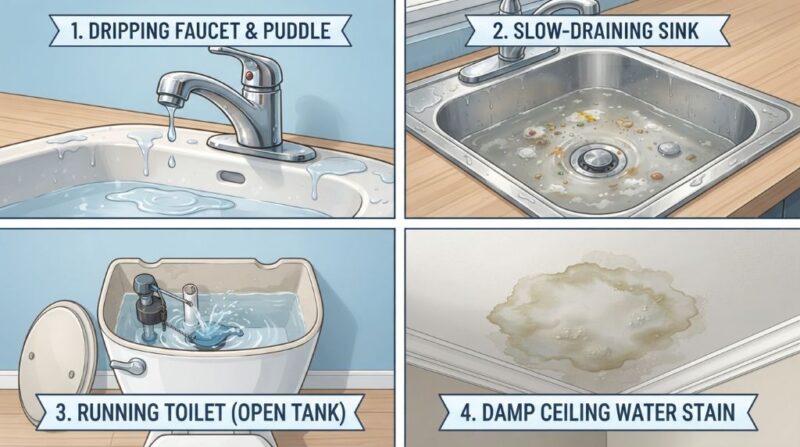
A dripping faucet seems minor, but it wastes significant water over time. According to the Environmental Protection Agency, a single dripping faucet can waste over three thousand gallons yearly. This adds up quickly on your water bill.
Dripping usually happens because of a worn-out washer or O-ring. Additionally, corrosion inside the valve seat can cause similar leaking. Mineral buildup from hard water also contributes to this common problem.
Watch for these signs of a dripping faucet issue:
- Constant dripping sound, even when the faucet is fully closed.
- Water stains forming around the base of the faucet.
- Higher than usual water bills without an obvious explanation.
- Reduced water pressure coming from the affected faucet.
Fixing a dripping faucet often involves replacing the washer or cartridge inside. However, persistent leaks after a repair may indicate a larger valve problem. Therefore, calling a plumber becomes necessary if the issue continues.
Ignoring a dripping faucet leads to wasted water and higher bills over time. Additionally, constant moisture can damage surrounding fixtures and cabinetry. Catching this issue early prevents these larger complications from developing.
2. Clogged Drains
Clogged drains rank among the most common plumbing complaints. Hair, soap scum, grease, and food particles typically cause these blockages. Additionally, tree roots can clog outdoor drainage lines over time.
Slow draining water is usually the first noticeable sign. Water may pool around your feet in the shower or sink. Therefore, catching this early prevents a complete blockage from forming.
Look for these warning signs of a developing clog:
- Water draining slower than usual in sinks or tubs.
- Gurgling sounds coming from drains or nearby fixtures.
- Unpleasant odors rising from the drain opening.
- Water backing up into other fixtures when one is used.
Minor clogs often clear with a plunger or drain snake. However, recurring clogs may indicate a deeper blockage in the main line. Chemical drain cleaners can help occasionally, but frequent use damages pipes.
Persistent or multiple clogs throughout the house often signal a larger sewer line issue. Therefore, professional inspection becomes necessary when simple fixes don’t resolve the problem.
3. Running Toilets
A running toilet continuously cycles water even when not in use. This issue wastes a significant amount of water daily. Additionally, it often points to a faulty internal component.
The flapper valve is the most common culprit behind running toilets. This rubber piece may wear out or fail to seal properly. Additionally, a misaligned float can cause similar continuous running.
Identify a running toilet through these signs:
- Constant water sound coming from the tank after flushing.
- Water bill increasing without other explanation.
- Toilet handle sticking or requiring jiggling after each flush.
- Water level in the tank appearing higher or lower than normal.
Replacing the flapper valve often solves this problem quickly and affordably. However, persistent running after this fix may indicate a cracked overflow tube. Therefore, further inspection may be necessary.
According to the EPA, a running toilet can waste up to two hundred gallons of water daily. This makes prompt repair essential for both cost and conservation reasons.
4. Low Water Pressure
Low water pressure makes everyday tasks frustrating and time-consuming. Showers take longer, and dishes don’t rinse properly. Additionally, this issue often signals an underlying pipe problem.
Mineral buildup inside pipes is a common cause of reduced pressure. Additionally, hidden leaks can divert water before it reaches the fixture. Corroded pipes also restrict water flow significantly over time.
Watch for these signs of low water pressure issues:
- Weak water flow from showerheads or faucets.
- Pressure that fluctuates unexpectedly throughout the day.
- Low pressure affecting only one fixture versus the entire house.
- Unusual noises coming from pipes when water runs.
Cleaning mineral deposits from showerheads and faucet aerators sometimes solves minor pressure issues. However, house-wide low pressure often requires professional evaluation. This could indicate a main line problem or municipal supply issue.
Persistent low pressure combined with visible leaks suggests pipe damage requiring immediate attention. Therefore, contacting a plumber prevents further water loss and structural damage.
5. Water Heater Issues
Water heater problems often show up gradually before becoming complete failures. Sediment buildup, corrosion, and age all contribute to declining performance. Additionally, these issues can lead to costly water damage if ignored.
Inconsistent water temperature is usually the first sign of trouble. You may notice water turning cold quickly during showers. Additionally, unusual noises from the tank often indicate sediment buildup.
Recognize these common water heater warning signs:
- Water taking longer than usual to heat up.
- Rusty or discolored water coming from hot water taps.
- Popping or rumbling noises from the water heater tank.
- Water pooling around the base of the unit.
Flushing the tank annually helps remove sediment and extends the unit’s lifespan. However, visible leaks or rust often indicate the tank needs replacement. Most water heaters last eight to twelve years with proper maintenance.
Ignoring these warning signs can lead to sudden tank failure and flooding. Therefore, addressing issues early prevents costly emergency repairs and water damage.
6. Leaky Pipes
Leaky pipes can cause significant damage before becoming visible. Hidden leaks behind walls or under floors often go unnoticed for months. Additionally, this damage can lead to mold growth and structural issues.
Corrosion, high water pressure, and shifting pipe joints commonly cause leaks. Additionally, extreme temperature changes can crack pipes over time. Older homes with aging pipes face higher leak risks.
Look for these signs of hidden or visible pipe leaks:
- Unexplained damp spots on walls, ceilings, or floors.
- Musty odors suggesting hidden moisture or mold growth.
- Higher water bills without increased household usage.
- Sound of running water when all fixtures are off.
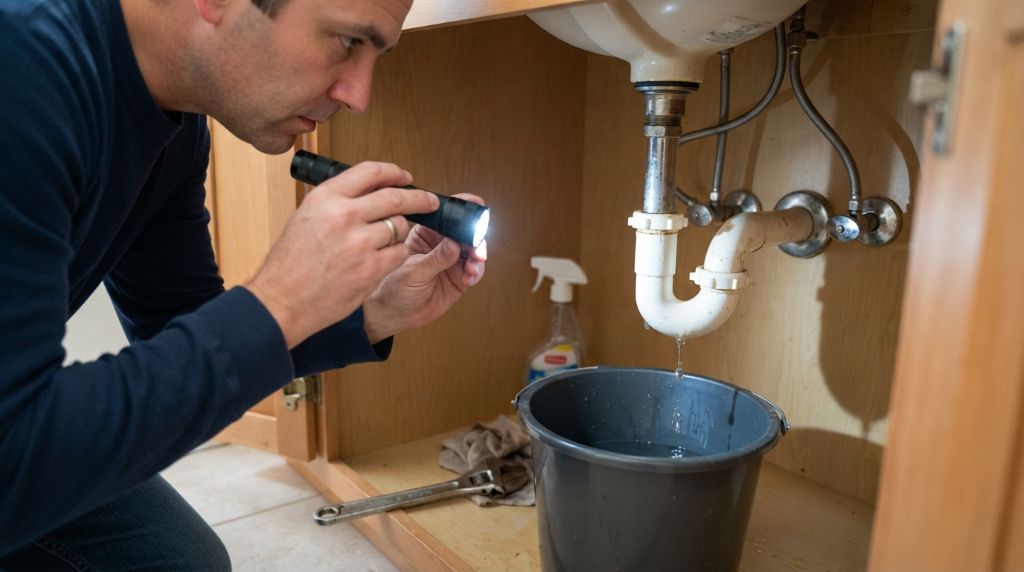
Catching leaks early prevents extensive water damage and mold problems. Therefore, regular inspection of visible pipes helps identify issues before they worsen. Checking under sinks and around appliances also helps catch early signs.
Professional leak detection services can locate hidden leaks using specialized equipment. This investment often saves money compared to repairing extensive water damage later.
7. Sewer Line Backups
Sewer line backups are among the most serious plumbing problems homeowners face. This issue affects multiple drains simultaneously throughout the house. Additionally, it often requires immediate professional intervention.
Tree root intrusion is a leading cause of sewer line blockages. Additionally, aging pipes can collapse or develop cracks over time. Flushing inappropriate items down toilets also contributes to this problem.
Identify sewer line backup symptoms through these signs:
- Multiple drains backing up at the same time.
- Sewage odors coming from drains throughout the house.
- Gurgling sounds from toilets when using other fixtures.
- Water backing up into the lowest drain in the house.
This problem requires professional attention due to health and sanitation concerns. Therefore, contacting a plumber immediately prevents further contamination and damage. Video pipe inspection helps identify the exact location and cause of the blockage.
Regular sewer line maintenance, including periodic inspections, helps prevent this serious issue. Older homes especially benefit from proactive sewer line care.
8. Sump Pump Failure
Sump pumps protect basements from flooding during heavy rain or snowmelt. However, these devices can fail without warning if not properly maintained. Additionally, power outages during storms increase flooding risk significantly.
Mechanical wear, power failure, and clogged discharge lines commonly cause sump pump issues. Additionally, an improperly sized pump may struggle during heavy water flow. Regular testing helps catch problems before they become emergencies.
Watch for these signs of sump pump trouble:
- Unusual noises coming from the pump during operation.
- Pump running constantly, even without heavy rainfall.
- Visible rust or corrosion on the pump unit.
- Water pooling in the basement despite having a working pump.
Testing your sump pump regularly ensures it works when needed most. Therefore, pour water into the pit periodically to check proper function. Additionally, consider a battery backup system for power outage protection.
Sump pump failure during heavy storms can lead to significant basement flooding. This makes regular maintenance essential for homes prone to water accumulation.
9. Garbage Disposal Problems
Garbage disposals handle daily kitchen waste but can develop issues over time. Jams, motor failure, and clogs are common problems homeowners encounter. Additionally, improper use often shortens the unit’s lifespan.
Putting inappropriate items down the disposal causes most issues. Fibrous foods, grease, and bones commonly cause jams. Additionally, lack of water flow during operation can lead to clogs.
Recognize these garbage disposal warning signs:
- Humming sound without the blades actually turning.
- Unpleasant odors coming from the disposal unit.
- Slow draining in the sink connected to the disposal.
- Unusual grinding or rattling noises during operation.
Resetting the disposal often solves minor jamming issues quickly. However, persistent problems may indicate motor failure requiring replacement. Running cold water during disposal use helps prevent future clogs.
Regular cleaning with ice cubes and citrus peels helps maintain freshness and function. This simple habit extends the disposal’s lifespan and prevents odor buildup.
10. Water Discoloration
Discolored water signals potential problems within your plumbing system. This issue can stem from pipe corrosion, sediment, or municipal supply changes. Additionally, some discoloration indicates more serious contamination concerns.
Rusty pipes often cause brown or reddish water, especially after periods of non-use. Additionally, blue-green water may indicate copper pipe corrosion. Cloudy water usually results from trapped air, which is typically harmless.
Identify concerning water discoloration through these signs:
- Brown or rusty water coming from hot water taps specifically.
- Blue-green stains appearing around fixtures and drains.
- Persistent cloudiness that doesn’t clear after running water.
- Discoloration affecting only certain fixtures in the house.
Running the tap for a few minutes often clears minor discoloration issues. However, persistent or worsening discoloration requires professional water testing. This helps identify whether pipes or the municipal supply cause the problem.
Addressing discoloration early prevents potential health risks and pipe damage. Therefore, don’t ignore consistent changes in your water’s appearance or smell.
Conclusion
Recognizing common plumbing problems early saves homeowners time, money, and stress. From dripping faucets to sewer line backups, each issue has clear warning signs. Additionally, addressing problems promptly prevents minor issues from becoming costly emergencies. Therefore, staying alert to these signs helps protect your home’s plumbing system. For a broader understanding of maintenance, repairs, and common issues, everything you need to know about plumbing can provide useful guidance. Regular maintenance and quick action keep your plumbing running smoothly for years to come.
Notice any of these warning signs at home? Contact a licensed plumber today for a professional inspection.
Frequently Asked Questions
How do I know if I have a hidden pipe leak?
Look for damp spots, musty smells, and rising water bills without added usage.
Is a running toilet a serious plumbing problem?
It wastes significant water, but a flapper valve replacement usually fixes it quickly.
What causes low water pressure throughout the house?
Mineral buildup, pipe corrosion, or a hidden leak often cause house-wide pressure loss.
How often should I test my sump pump?
Test your sump pump every three to four months, especially before rainy seasons.
When should I call a plumber instead of fixing it myself?
Call a plumber for sewer backups, major leaks, or issues that persist after basic fixes.
