
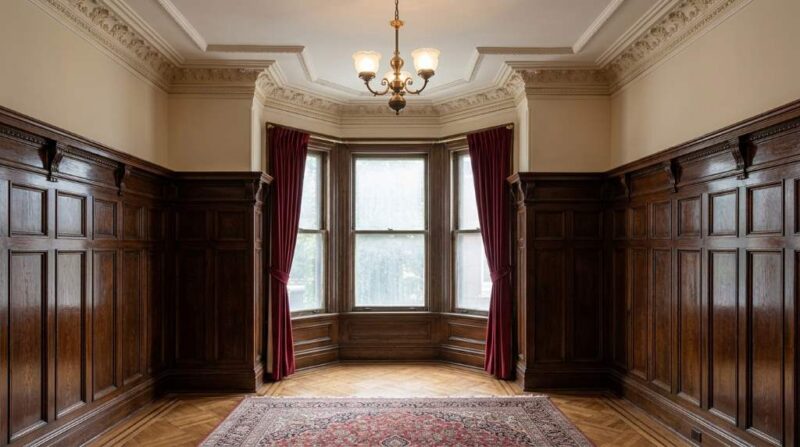
The difference between renovation and restoration is simple. Renovation improves or updates a property, while restoration returns it to its original condition. Although both improve buildings, they follow different goals, methods, and outcomes.
Many property owners confuse these terms because both involve construction work. However, choosing the right approach affects cost, design flexibility, historical value, and long term satisfaction.
Recent housing studies show that remodeling and improvement projects remain among the most common property investments. Additionally, historic property preservation continues growing as owners recognize the value of authentic architectural features. Understanding renovation and restoration helps you make smarter decisions before starting any project.
Understanding Renovation
Renovation focuses on improving a space through updates and modern enhancements. The goal is better function, comfort, appearance, or efficiency.
Unlike restoration, renovation does not prioritize historical accuracy. Instead, it allows owners to adapt spaces to current lifestyles and preferences.
What Happens During a Renovation?
A renovation project may include several changes:
- Replacing outdated flooring
- Installing modern cabinets
- Updating bathrooms
- Improving lighting systems
- Expanding living spaces
- Adding smart home features
- Upgrading insulation and windows
Because renovation emphasizes improvement, owners often enjoy greater design freedom. As a result, the finished space may look completely different from the original structure.
Common Reasons People Renovate
Many homeowners renovate to increase functionality. Older layouts often fail to meet modern living needs.
Others renovate to improve property value. Updated kitchens and bathrooms frequently attract buyers and support stronger resale prices.
Furthermore, energy efficiency motivates many projects. New materials and systems often reduce utility costs while improving comfort.
Understanding Restoration
Restoration focuses on preserving and returning a building to its original appearance. The primary goal is authenticity rather than modernization.
Instead of replacing historic features with modern alternatives, restoration attempts to repair and preserve existing elements. Therefore, original craftsmanship remains visible and protected.
What Happens During a Restoration?
Restoration work may involve:
- Repairing original woodwork
- Preserving historic windows
- Recreating period details
- Restoring original paint colors
- Repairing architectural ornaments
- Maintaining historical materials
- Rebuilding damaged historic features
Consequently, the building retains its original character while regaining structural integrity and visual appeal.
Why Property Owners Choose Restoration
Historic significance often drives restoration projects. Owners want to preserve architectural heritage for future generations.
Additionally, some neighborhoods or districts require preservation standards. In these cases, restoration helps maintain community character and regulatory compliance.
Many owners also appreciate authentic craftsmanship. Older buildings frequently contain details that are difficult or expensive to reproduce today.
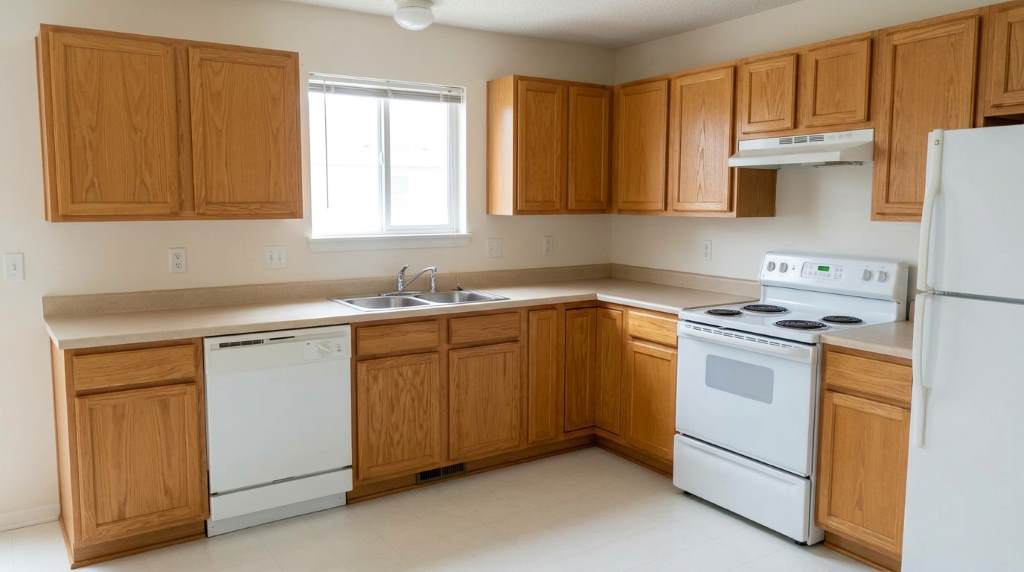
The Core Difference Between Renovation and Restoration
The most important distinction involves purpose. Renovation changes a building to meet current needs, while restoration returns it to a previous state.
Although both improve properties, their priorities differ significantly. Understanding these priorities prevents costly mistakes and unrealistic expectations.
Renovation Prioritizes Improvement
A renovation project asks one key question. How can this property work better today?
Because of this mindset, owners often replace outdated materials and redesign spaces. Modern performance takes priority over historical preservation.
Restoration Prioritizes Preservation
A restoration project asks a different question. How can this property regain its original appearance?
Therefore, existing materials receive careful attention. Preservation and historical accuracy guide every major decision.
Comparing Renovation and Restoration
Project Goals
Renovation seeks modernization and improved usability. Restoration seeks historical accuracy and preservation.
As a result, project planning differs from the beginning. Every decision reflects the intended outcome.
Design Flexibility
Renovation provides substantial creative freedom. Owners can alter layouts, finishes, and architectural details.
Restoration offers less flexibility because original features remain central. Consequently, major design changes are usually discouraged.
Materials Used
Renovation often incorporates modern products and technologies. New materials typically improve durability and performance.
Restoration generally requires historically appropriate materials. Therefore, sourcing products can become more challenging and specialized.
Cost Considerations
Project costs vary significantly depending on scope. Neither approach is automatically cheaper.
Renovation can become expensive when major structural changes occur. Meanwhile, restoration may require specialized craftsmanship and rare materials.
Timeline Differences
Renovation timelines often depend on design complexity and construction scope. Many projects follow predictable schedules.
Restoration frequently involves research and careful preservation work. Consequently, timelines may extend beyond initial expectations.
When Renovation Makes More Sense
Not every building benefits from restoration. In many situations, renovation delivers greater practical value.
Consider renovation when:
- Functionality is the primary concern
- The property lacks historical significance
- Major layout changes are necessary
- Energy efficiency improvements are priorities
- Modern living requirements drive decisions
Additionally, renovation works well when existing features have little architectural value. In such cases, modernization often creates better long term results.
Example of a Renovation Project
Imagine a house built decades ago with small rooms and outdated systems. The owner removes walls, installs efficient windows, and upgrades electrical wiring.
The finished home functions better for modern living. Although the original layout changes significantly, overall usability improves dramatically.
When Restoration Is the Better Choice
Restoration becomes valuable when preserving history matters. Certain properties deserve protection because of their architectural or cultural importance.
Choose restoration when:
- Historic character remains intact
- Original details have significant value
- Preservation regulations apply
- Architectural authenticity matters
- Long term heritage preservation is important
Furthermore, restoration often enhances the uniqueness of a property. Authentic features frequently create character that modern construction cannot replicate.
Example of a Restoration Project
Consider a century old home containing original moldings and handcrafted woodwork. Instead of replacing these features, specialists repair and preserve them.
The finished property reflects its original design vision. Consequently, historical value remains protected while structural issues are resolved.
Can a Project Include Both Renovation and Restoration?
Yes, many successful projects combine both approaches. In fact, mixed strategies are increasingly common.
Owners often restore historically significant features while renovating less important areas. This balance preserves character without sacrificing comfort.
How Hybrid Projects Work
A homeowner might restore original exterior details. Meanwhile, they renovate kitchens, bathrooms, and mechanical systems.
As a result, the property maintains historical charm while supporting contemporary lifestyles. This approach often delivers the best balance between preservation and practicality.
Key Questions to Ask Before Choosing
Before starting work, evaluate your property’s goals carefully. Clear answers simplify decision making.
Ask yourself:
- Does the building have historical importance?
- Are original features worth preserving?
- What is the available budget?
- How important is modern functionality?
- What outcome do you want long term?
Moreover, consulting experienced professionals helps identify opportunities and limitations. Expert guidance often prevents expensive mistakes later.
Mistakes Property Owners Commonly Make
Many owners begin projects without defining objectives clearly. Consequently, costs increase and expectations become difficult to manage.
Another common mistake involves removing original features too quickly. Once historic elements disappear, restoring authenticity becomes much harder.
Some owners also underestimate restoration complexity. Specialized labor and materials often require additional planning and patience.
Therefore, careful assessment before construction begins remains essential. A clear strategy saves time, money, and frustration.
How Property Value Can Be Affected
Both approaches can increase property value when executed properly. However, the impact depends on location and buyer expectations.
Renovation often attracts buyers seeking convenience and modern amenities. Updated systems and layouts frequently improve market appeal.
Restoration can attract buyers who appreciate historical authenticity. Unique architectural details often create strong emotional connections.
Consequently, understanding local market preferences helps determine which strategy offers greater financial benefits.
Conclusion
The difference between renovation and restoration comes down to purpose. Renovation improves and modernizes a property, while restoration preserves and revives its original character.
Before beginning any project, identify your goals, budget, and property characteristics. Then work with qualified professionals who understand the chosen approach. A thoughtful decision today can protect value, enhance enjoyment, and deliver better results for years to come.
FAQs
Is restoration more expensive than renovation?
Not always, because costs depend on materials, labor requirements, and project complexity.
Does renovation remove original features?
Yes, renovation may replace or alter original elements when modernization is the goal.
Can historic homes be renovated?
Yes, although preservation rules may limit certain modifications.
Which option increases property value more?
Both can increase value when aligned with buyer expectations and property characteristics.
Can I restore and renovate the same property?
Yes, many projects successfully combine restoration and renovation strategies.
