
What Does Future Cooking Really Mean?
Future cooking refers to the way modern technology is transforming our kitchens and dining habits. From smart appliances to personalized nutrition, innovation is making meal preparation easier, healthier, and more efficient. Today’s advancements aren’t just about convenience; they’re reshaping how we think about food itself. Whether it’s appliances that connect to apps, ovens that cook with precision, or AI-powered recipe suggestions, the kitchen is quickly becoming the center of digital living. This shift is not only redefining home cooking but also changing food sustainability, storage, and consumption.
How Is Technology Shaping Future Cooking?
The rise of intelligent appliances and automation has revolutionized the way meals are made. For instance, refrigerators can now track expiration dates and suggest recipes based on what’s inside. Similarly, smart ovens use sensors to prevent overcooking, while voice-controlled devices help multitask in the kitchen. These tools are part of a broader movement toward future cooking, where the focus is not only on convenience but also on creating healthier lifestyles.
Why Is the Kitchen Becoming the Hub of Innovation?
The kitchen is no longer just a place for cooking—it’s becoming a hub of digital living. With appliances connected through Wi-Fi and apps, homeowners can control their stoves, coffee makers, and even dishwashers remotely. According to Forbes, the smart kitchen market is set to grow rapidly, proving how central technology is to modern homes. This is also where The Funky Kitchen stands out, offering inspiration for blending design with cutting-edge kitchen tools.
Q&A: Breaking Down the Future of Cooking
What Are Smart Appliances and How Do They Work?
Smart appliances are devices that connect to the internet, allowing remote control, monitoring, and automation. Examples include:
- Refrigerators that monitor freshness and suggest recipes
- Ovens that use sensors to cook with precision
- Voice-controlled mixers, blenders, and coffee machines
- Dishwashers that optimize water and energy use
These appliances rely on sensors, connectivity, and learning systems to adapt to user behavior. Over time, they can improve efficiency and even reduce waste by suggesting ways to use leftover ingredients.
How Does Future Cooking Improve Health?
One of the biggest promises of modern cooking technology is its role in health. Devices like smart scales and nutrition apps now work with kitchen appliances to monitor portion sizes and calorie intake. Some innovations even analyze food content in real-time, providing instant nutritional breakdowns.
Additionally, meal kits paired with automated appliances allow families to prepare balanced meals in less time. This reduces reliance on unhealthy fast food while encouraging home-cooked dining.
Can Future Cooking Help Reduce Food Waste?
Yes, technology is addressing the growing problem of food waste. Refrigerators now include sensors that track expiration dates, while apps alert users to cook items before they spoil. Smart compost systems also make it easier to recycle leftovers into garden-friendly material. According to the United Nations, nearly 1 billion tons of food is wasted annually worldwide. Future cooking tools directly target this issue, saving both money and resources.
What Role Does Sustainability Play in Modern Kitchens?
Sustainability is at the heart of technological changes in cooking. Induction stoves, for example, use less energy compared to gas burners. Appliances now come with eco-modes that reduce electricity and water consumption. Food storage innovations such as vacuum-sealed smart containers also extend shelf life. The integration of plant-based cooking options in smart recipes highlights how the movement toward greener living is becoming part of everyday life.
Are Robots Really Entering the Kitchen?
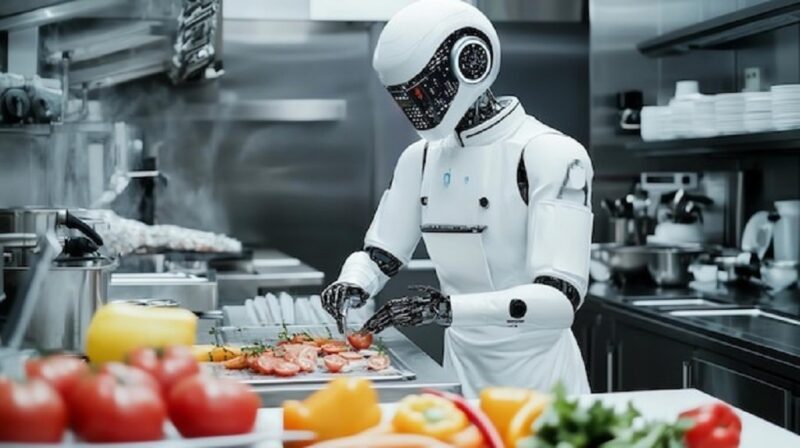
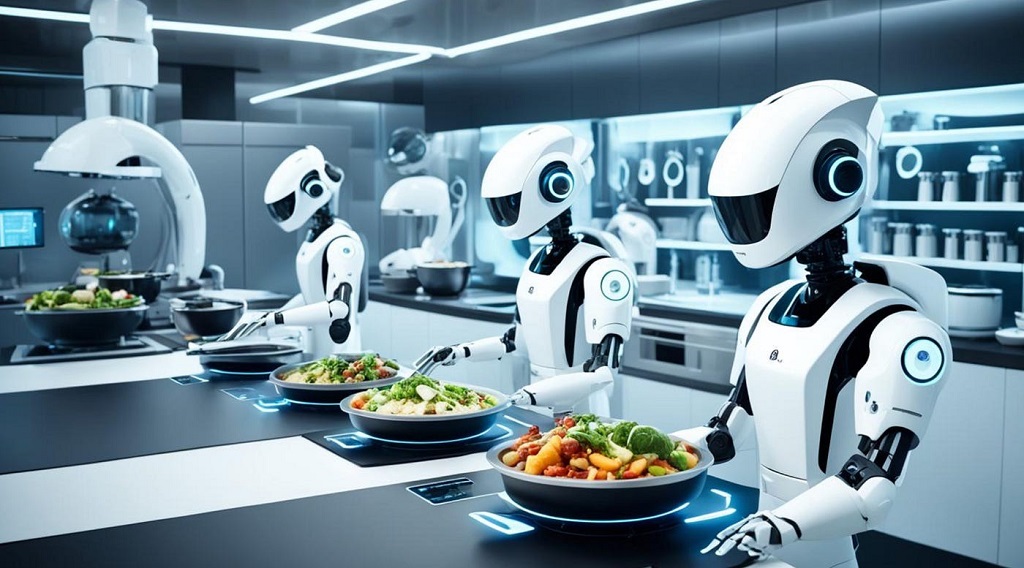
Yes, though still in early stages. Robotic arms designed to mimic human movements can now chop, stir, and even prepare complex dishes. While these machines are expensive today, they’re expected to become more accessible over time. In restaurants, robotic chefs are already being tested, hinting at a future where home kitchens may include some form of automated assistant.
What Will Dining Look Like in the Next Decade?
Dining will be shaped by personalization and convenience. Imagine ordering a meal through an app, and your kitchen devices automatically prepare it while tracking your dietary needs. Personalized recipe generators based on health data, wearable devices, and smart fridges will all be integrated. This level of customization means future meals will not only taste better but also align with long-term health goals.
Conclusion: Where Is Future Cooking Headed?
The kitchen is evolving from a space of manual preparation into a center of connected living. With the rise of intelligent appliances, robots, and sustainable systems, the way we cook and eat is rapidly changing. The benefits go beyond convenience—they touch health, the environment, and our relationship with food. As future cooking becomes mainstream, families will save time, reduce waste, and make healthier choices. Now is the moment to embrace this transformation, whether by upgrading appliances, exploring new tools, or simply staying informed about the innovations reshaping everyday meals.
Read More Also: Understand Composition Shingle Roof Lifespan
FAQs About Future Cooking
What does “future cooking” mean?
Future cooking refers to using modern technology such as smart appliances, connected devices, and automation to improve how we prepare, store, and consume food.
Are smart kitchens expensive?
While some appliances come with higher upfront costs, they often save money in the long run by reducing energy use and food waste.
Do I need internet for smart appliances?
Most smart appliances work best when connected to Wi-Fi, as this allows for real-time monitoring and app-based control.
Can future cooking improve my diet?
Yes. Devices now track calorie intake, suggest healthy recipes, and help with portion control, making it easier to maintain a balanced diet.
How will technology reduce food waste?
Sensors, expiration trackers, and recipe suggestions based on ingredients at home can prevent spoilage and cut down on waste significantly.
Are robots replacing chefs?
Not yet. While robots are being tested in restaurants, they’re meant to support chefs rather than replace them completely.
Is future cooking eco-friendly?
Yes, many innovations focus on sustainability through energy-efficient appliances, compost systems, and eco-friendly storage solutions.
