One of the biggest decisions you face as a homeowner is what type of roof to install to keep you and your belongings protected from the elements — while also helping you stay cool in the summer and warm in the winter. The first step in your decision-making process is selecting a contractor to safely and securely install your new roof at a price that fits your budget and suits your other needs.Continue reading →
What Is a Contemporary Sofa?
If you’re considering buying a sofa for your home, consider a contemporary sofa. These types of sofas have modern styling and are generally more affordable. Modern couches, sectionals, and chaises are also a great choice. To find a modern sofa that fits into your home, use this guide. We’ll discuss the different types of contemporary sofas and what each style has to offer. It’s a great way to update your living room decor without spending a ton of money.Continue reading →
4 Advantages of Installing a Metal Roof
Replacing your roof is a major home improvement, so you want to make sure you do it correctly. When deciding which type of roof to invest in, know that metal is a top contender. If you’re wondering if this versatile material is right for your home, here are four solid advantages of installing a metal roof.Continue reading →
10 common bicycle accidents and how to avoid them
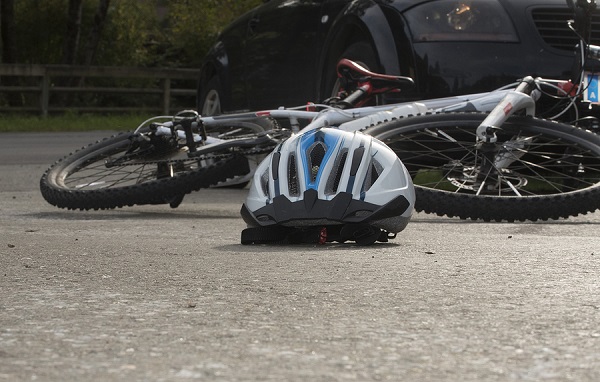
One of the biggest risks of urban cycling is having a collision with another vehicle. Here are the 10 most common bicycle accidents and some steps we can take to reduce the likelihood of them happening.
1. The right hand
Probably the majority of collisions are of this type. A vehicle crosses an intersection, suddenly exits a parking lot or garage, and hits the bicyclist. Another possibility is that the vehicle suddenly appears in front of us without giving us time to react and we end up crashing with the car. Check out the women’s bike size chart for a stable combination.
How to avoid:
Stay visible. An efficient way to attract the attention of drivers, especially at night, is to use lights.
It attracts the driver’s attention. If for any reason you notice that the driver has not seen you, signal with your hands and make noise, if necessary shout. Keep reading https://kbsm.org/automotive/how-to-deep-clean-a-road-bike/
Slow down and be prepared to stop if necessary.
Try to circulate in the center of the lane. The driver coming from the right will tend to see if a vehicle is approaching through the center of the lane, not close to the sidewalk.
2. The door slam
Another fairly common accident happens when we drive very close to the cars that are parked on the right side of the street. If the passenger of the car opens the door without noticing, he may throw us or we may hit the open door directly.
How to avoid it:
Keep a safe distance. If you’re not very confident driving in the center of the lane, at least make sure to leave a safe distance between you and parked vehicles to avoid slamming doors.
3. The collision in the pedestrian crossing
There is a bad habit of driving on the sidewalks and therefore crossing the street through the pedestrian crossing. When we cross through this area, we run the risk of being hit by a car turning to the right. A driver does not expect a bicyclist to cross the crosswalk and is difficult to see when turning.
Do not circulate on the sidewalks. These are for pedestrians. If, for some reason, you have to cross a pedestrian crossing, the ideal is to get off the bike and walk with it to one side.
4. The collision in the opposite direction
Driving in the opposite direction is believed to be safer because the rider can see approaching cars. In fact, when we drive in the opposite direction, we make ourselves invisible to motorists and pedestrians. In most cases, drivers and pedestrians turn to the side the vehicles are supposed to come from. When driving in the opposite direction, we are exposed to colliding with vehicles turning, leaving garages or even with a pedestrian or other cyclist.
How to avoid it:
Do not drive in the opposite direction. As cyclists, we have a duty to respect traffic signs.
5. Traffic light collision
A bad habit of many cyclists is to overtake vehicles that are stopped at a traffic light on the right side. We also waited for the light to turn green between the stopped cars and the sidewalk. When we do this, we place ourselves in a blind spot for the driver and we run the risk that if the driver turns to the right, he cuts us off or hits us directly.
How to avoid it:
Keep your lane. If you come to a stoplight, the best thing to do is stop in your lane.
Pass into the left lane. If you have the opportunity to pass, do so on the left side and then position yourself in front of the stopped cars. In this way, you make yourself visible.
6. The hook on the right
There are many drivers who are going to turn right at an intersection and try to beat cyclists to reach the turn. Unfortunately, there are still thousands of drivers who believe they are owners and lords of the streets and think that they have priority over the cyclist without taking precautions or considerations.
How to avoid it:
Do not ride on the sidewalks and do not cross the crosswalks. Remember that drivers of other vehicles are less likely to see you.
Drive in your lane. If you take the center of the lane, it is more difficult for the driver to try to gain you the way.
Be alert when approaching an intersection. It is important that you pay attention to your right side when approaching the intersection. A good option is a mirror on the bike or on your helmet. In this way, you can be attentive to the vehicles on your left without neglecting what is in front of you.
7. Passing on the right
There are times when we run into a slow-moving vehicle and we try to pass it on the right. As already mentioned, this is a point of low visibility for the driver. If it suddenly moves to the right, either to park, get into a garage or turn a corner, we run the risk of being hit by the vehicle.
How to avoid it:
Do not pass on the right. Like any other vehicle, passes are made on the left.
If you are the one who will turn, make sure that another vehicle is not coming to your right.
8. The left
Let’s imagine a two-way street. In a similar way to the first case we saw (El Derechazo), it may be that a car, which comes in the opposite direction to ours, turns to the left and attacks us or that cuts our way and we are the ones who crashed with it.
How to avoid it:
Do not circulate on the sidewalks.
Use lights. Especially at night and on rainy days.
Wear bright clothes. Believe it or not, a cyclist can go unnoticed with relative ease. For this reason, it is important to try to keep ourselves as visible as possible at all times.
Do not pass on the right. If we pass a car on the right, it will not allow the car that is turning to the left to see us.
Slow down at these types of intersections and try to make eye contact with the driver before crossing.
9. The hill to the left
Most of the time, a bicyclist is rear-ended. It occurs while the rider is moving, unattended, to their left. Either to change lanes or to avoid an obstacle on the road.
How to avoid it:
Check your left side before performing the maneuver.
Use hand signals to communicate your movements to other vehicles.
Try to circulate in the center of the lane. Most of the obstacles are on the right hand side next to the curb.
10. The attack from the rear
Fortunately, this type of collision is not very common. However, it is one of the most feared by cyclists since they cannot see the vehicles approaching from behind. It is important to note that the probability of suffering a rear impact is greater at night.
How to avoid it:
Don’t ride too close to the sidewalk. When you are driving in the center of the lane, the vehicles that want to pass you will have to do so in the left lane. On the other hand, if you are glued to the sidewalk, they will try to pass you in the same lane without having enough space, increasing the risk of an accident.
Stay visible. By day you can use bright colors. At night use a good set of lights and, if possible, a reflective vest.
As you can see, there is a lot we can do to reduce the risks when driving around the city. At first, traffic can be intimidating, but if you are aware of the risks and drive responsibly, you will gradually gain confidence.

How does a bicycle brake work?
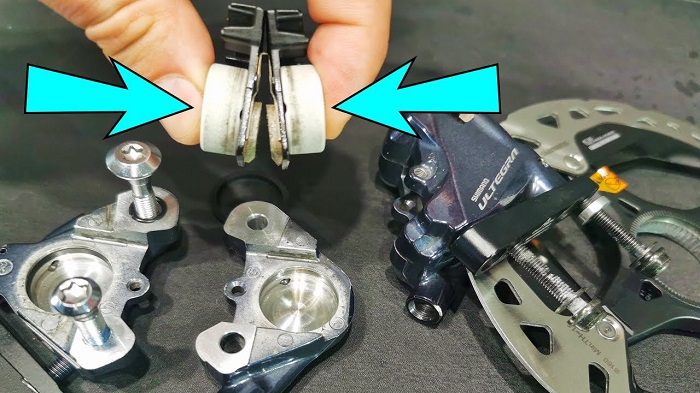
A brake is a device used to stop a vehicle, such as a bicycle or a car, from moving in a forward direction. Brakes can be mechanical, hydraulic, or electric. Mechanical brakes are generally operated by hand or foot and consist of a cable that is attached to a lever that pulls on the brake pads when pressure is applied. Hydraulic brakes are usually operated by a lever that controls the flow of fluid into the calipers, which then push the pads against the rim of the wheel. Electric brakes use electrical motors that apply force to the brake pads.
How does a bicycle brake work?

Step 1: Apply the brakes: To stop your bike, you apply the brakes. When you apply the brakes, you push the lever and the brake pads touch the wheel rim. The friction of the brake pads causes the wheel to slow down. Try the mountain bike disc brake kit.
Step 2: Stop: When you stop, the pads release and you stop.
Step 3: Release the brakes: When you release the brakes, the pads release. This allows you to start moving again. Keep reading https://greateryellowstonescience.org/is-a-bike-trainer-good-exercise/
Types of bicycle brake
Bicycle brakes can be divided into three types. The most common are rim brakes, disc brakes, and cantilever brakes. Rim brakes consist of a brake pad that is pressed against the inside of the rim of the wheel. This type of brake is typically used on bicycles with tubular wheels, such as those found on road racing bicycles, mountain bikes, and BMX bikes.
A rim brake is one of the oldest forms of braking. The most common type of rim brake has the pad attached to a metal lever that pushes against the inside of the rim. A mechanical advantage system is usually used to move the lever, and the pad is attached to this lever. There are two types of levers: a direct pull type which moves the lever directly towards the rim, and an indirect pull type which moves the lever indirectly through a link or lever arm. The direct pull lever is used in the majority of rims, but the indirect pull lever is more common on non-tubular wheels. Cantilever brakes use a brake arm that is attached to the frame of the bicycle. The brake arm is hinged, allowing it to move in a vertical direction.
This motion is transferred to a pad attached to the end of the brake arm. The brake arm is usually made from steel tubing. In some cases, aluminum or titanium is used. The brake arm is attached to the frame by two or three screws. Brake pads are held to the brake arm by springs. Because there is no lever arm, there is no mechanical advantage to increasing the force applied to the brake arm. As a result, the force applied to the brake arm is typically less than the force applied to a rim brake. This means that a cantilever brake must be larger than a rim brake to have the same stopping power.
Most cantilever brakes use either two pads or one large pad. In most cases, the brake arm is attached to the fork or frame of the bicycle, but in some cases, it is attached to the handlebars. Disc brakes are a more recent type of braking system. They are also known as hydraulic brakes or disk brakes. They are more commonly used on mountain bikes than on road bicycles. The brake arms are connected to the caliper by a cable. This allows the lever to be moved away from the rim to create slack in the cable.
The lever is then pushed towards the rim to pull the brake arm into the caliper and apply the brakes. The force applied to the brake arm is transferred to the rim via a mechanical advantage system, such as a cam or roller. The brake arm is usually made from steel tubing. In some cases, aluminum or titanium is used. The brake arm is attached to the fork or frame of the bicycle by two or three screws. Brake pads are held to the brake arm by springs. Because there is no mechanical advantage system, there is no increase in the force applied to the brake arm.
Everything you need to know about bicycle brakes
- Bicycles are a great way of getting around. They’re great for exercise, and they can be used for transport. But they do have a few drawbacks. One of them is the risk of injury. That’s why you need to make sure you’re buying a bike that’s safe to use.
- Get the right bike: You’ll need to make sure that you’re buying a bike that’s suitable for your needs. You’ll need to consider things like whether you’ll be using it for exercise or transport and how heavy the bike is. You might also want to consider things such as whether you’ll be riding it on roads or off-road and what kind of terrain you’ll be riding on.
- Choose your brakes: When you’ve chosen the bike, you’ll want to choose your brakes. There are two types of brakes: disc brakes and rim brakes. You’ll need to make sure you get the right one for your bike.
- Learn to brake: Once you’ve got your brakes, you’ll need to learn how to use them. You’ll need to make sure you’re braking in a safe way. You’ll also need to make sure you’re braking in a way that’s safe for your bike.
- Check your brakes: After you’ve got your brakes, it’s time to check them. You’ll need to make sure they work and that they’re working properly. You might also want to make sure they’re not slipping.
- Maintain your brakes: Once you’ve bought your bike, you’ll need to make sure you’re maintaining your brakes. That’s so that they last as long as possible.
In conclusion, the braking system on a bicycle works in much the same way as the braking system on an automobile. The brakes are activated by the cyclist pushing down on a lever located at the front of the bicycle. This lever is connected to a mechanism that engages the brake pads. As the lever is pushed down, the lever activates a cable that pulls the lever back up. This causes the brake pads to come into contact with the rim of the wheel, causing friction and slowing down the bicycle.
3 Signs Your Commercial Building Needs a New Roof
The building that houses your business is one of your largest and most important assets. A damaged and leaky roof could cause rot and mold issues, costing you a lot of money in repairs. Get proactive and replace that roof before it causes problems. Here are some signs your commercial building needs a new roof.Continue reading →
Effective newborn baby care tips and routine
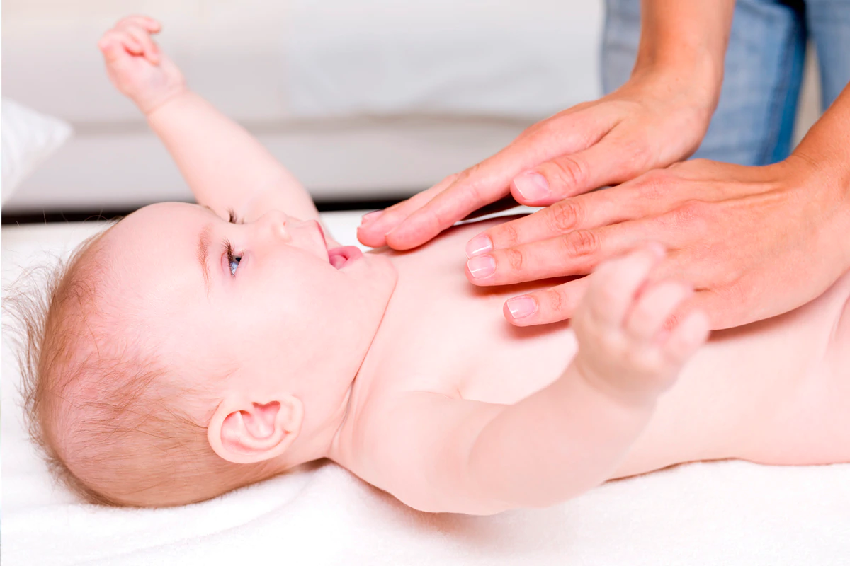
The best baby care tips for new moms and dads are those that are simple and easy to follow. The most effective newborn baby care tips will help you and your family get the most out of the precious time you have with your newborn. You may like the baby swing for bigger babies.
The first step to making your newborn baby care routine work is to plan ahead. You can do this by creating a schedule for yourself and your family. You should also create a list of things that you need to do to take care of your baby. Then, you should stick to your plan. You should make sure that you don’t skip any of the tasks on your list. Keep reading https://kbsm.org/blog/how-do-baby-swings-work/
Effective Newborn Baby Care Tips
- First and foremost, make sure you have enough sleep. You’ll need to make sure you’re getting the right amount of rest. If you’re tired, you’ll be less productive and more likely to make mistakes.
- Don’t overdo it. When you’re having a baby, you’ll need to make sure you’re eating the right things. Make sure you’re not overdoing it. You’ll also want to make sure you’re getting enough exercise. You’ll want to make sure you’re taking time out to rest and that you’re getting enough sleep.
- Keep it clean. When you’re having a baby, you’ll want to make sure you’re keeping the house clean. You’ll want to make sure there’s enough space for the baby to move around. You’ll also want to make sure you have plenty of towels and bedding.
- Don’t forget the basics. You’ll want to make sure you’re taking care of yourself and that you’re making sure you’re eating the right things. You’ll also want to make sure you’re getting enough rest. You’ll want to make sure you’re keeping your body warm and comfortable.
- Be prepared. When you’re having a baby, you’ll want to make sure you’re being prepared for the changes that will come with having a newborn. You’ll want to make sure you have all the necessary equipment on hand. You’ll also want to make sure you’re getting enough sleep.
- Don’t forget the essentials. When you’re having a baby, you’ll want to make sure you’re being prepared for the changes that will come with having a newborn. You’ll want to make sure you have everything you need on hand. You’ll also want to make sure you’re getting enough rest.
- Take care of yourself. You’ll want to make sure you’re taking care of yourself. You’ll want to make sure you’re eating the right things. You’ll also want to make sure you’re getting enough rest.
- Be patient. When you’re having a baby, you’ll want to make sure you’re being patient. You’ll want to make sure you’re not rushing things. You’ll also want to make sure you’re keeping yourself healthy.
- Take your time. When you’re having a baby, you’ll want to make sure you’re taking your time. You’ll want to make sure you’re not rushing things. You’ll also want to make sure you’re keeping yourself healthy.
- Take good care of the baby. When you’re having a baby, you’ll want to make sure you’re taking care of the baby. You’ll want to make sure you’re making sure the baby is getting enough rest. You’ll also want to make sure you’re making sure the baby is eating the right things.
Feeding your newborn
Step 1: Start feeding on demand: When your baby is hungry, they will let you know. Babies who are hungry will usually cry and get fussy. You can give them their first bottle of formula when they cry.
Step 2: Continue to feed on demand: Continue to feed your baby as soon as he/she lets you know that they are hungry. Don’t wait until they are screaming and crying.
Step 3: Give your baby a bottle every 2 hours: Give your baby a bottle of formula every 2 hours. This is the best way to feed your baby. You can start giving your baby a bottle of formula right after birth.
Step 4: Add breast milk after 6 weeks: After your baby is 6 weeks old, you can add breast milk to your baby’s bottle. Breast milk is best for babies.
Tips to keep your baby healthy

- Make sure you have enough room: It’s important to make sure you have enough space in your home to accommodate your baby. You’ll need to make sure you have enough room for your baby to move around and for you to feed them.
- Avoid using a bottle: You don’t want to use a bottle for your baby’s feeding. The bottle is designed to be used for adults, not babies. It’s important to use a breast pump for your baby. This will help you to produce breast milk for your baby.
- Be mindful of your baby’s surroundings: You should also make sure you’re mindful of your baby’s surroundings. You’ll want to make sure they have a safe place to sleep and that they’re not exposed to any dangerous chemicals or harmful substances.
- Ensure your baby has enough food: You’ll also want to make sure your baby has enough food. You should make sure you’re giving your baby a healthy and balanced diet. You can do this by breastfeeding your baby or by using a breast pump to produce breast milk.
- Make sure your baby is safe: You’ll also want to make sure your baby is safe. You should make sure you’re using safe products, such as baby wipes, and that you’re making sure you’re following the manufacturer’s instructions.
- Check your baby’s temperature: You should also make sure you’re checking your baby’s temperature. This will help you to know if your baby is suffering from a fever. You’ll want to make sure you’re taking your baby to the doctor if they’re suffering from a high fever.
- Get help: If you’re struggling to care for your baby, you’ll want to make sure you’re getting help. You can make sure you’re getting help by talking to your GP or midwife. They’ll be able to provide you with advice on how to look after your baby.
In conclusion, when it comes to caring for babies, the first thing you need to do is to ensure that your baby is comfortable and happy. The second thing you need to do is to provide them with the best possible nutrition and a clean environment. And finally, the third thing you need to do is to ensure that they are safe.
You may also be interested in HOW DO YOU TRANSPORT A BIKE WITHOUT A RACK?
How do you transport a bike without a rack?
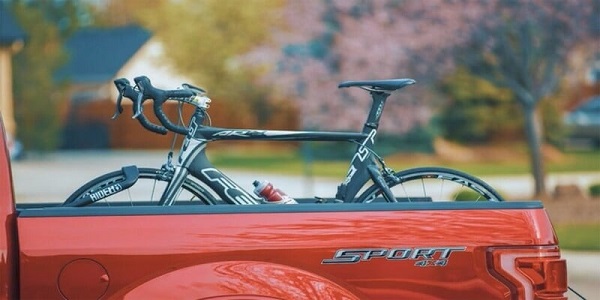
Sometimes, people buy cheap bikes off Craigslist that don’t come with any rack for transporting them. They devise a way to circumvent this by using skateboard racks to work around the problem. But, this poses two disadvantages: firstly, buying a low-quality bike is usually not worth it and secondly, you still can’t transport it without a rack. For this, you really need a good bike rack. These days there are various kinds of bike racks available in the market. You can check out the stationary bicycle stand.
How do you transport a bike without a rack?

Step 1: Lock all the wheels and chains. Taking care of a bike’s wheels is very important as this holds your bike in place. There will not be much weight on the bearings if it rolls freely along with bumps during rougher rides, and riding with bent or broken rims might cause unexpected wear to them etc.
Step 2: Find stable railings that can carry some weight from both sides but are narrow enough that you don’t have to stop a car to avoid hitting it. Keep reading https://pluginid.com/
A good place is usually a wooden fence. Otherwise, you can use an iron pipe railing near the road (but remember to cover your bike with a cloth). Make sure that these roofs aren’t slippery enough so as not to cause bumps on them and also make sure they do not hold cars back while passing through. If there are no railings, but there is still sufficient space under the bridge, there’s probably room under there.
Step 3: Place your bike on the rack and slide it along parapet wires or iron pipes while holding its front wheel in place with some rope so that you don’t drop your bike down to the ground.
Here, I am carrying my longboard up a 6-inch wide steel fence pole which isn’t exactly a stable source of support, but by using simple handholds were easily worked around this obstacle as if I did not find any other way around it.
Step 4: Now it’s time to pick up your bike and carry all the bikes down. I am using two cars for this because I don’t have a rack with me that can hold four bikes; you probably could easily do without them from doing so, but remember not to put too many on one car as some may fall off completely depending on where you are going. If at least half of your bike is visible, then carrying it shouldn’t be tough, but if only one bike is visible, then this may be a tough task.
You also have to remember that you don’t want the cars to leave their parking lots while transporting your bikes. They might cause an emergency situation. Also, note that even though these trucks’ front ends are wide enough, I still think carrying all four-packs on a truck gives me better working space than several single ones because there’s more kinetic energy from swinging my arms with the push of chairs or the vibration from the windows.
Step 5: You’ll probably have to move your bikes over some rails using a plank for this again, and make sure that it’s not too heavy. Otherwise, take extra precautions such as covering up with something, so you don’t accidentally drop them onto cars below on your way down. Also, while carrying more than one bike at a time, try to keep them together in sections so they won’t fall off completely.
Travelling by bicycle without a luggage rack
When we think of cycle tourism, we immediately think of a fully equipped bicycle with capacious bags attached to the rear rack. Handlebar bags and maybe even the front wheel.
With all that load, a bike can weigh as much as 35 kg. It is for this reason that generally one travels along cycle paths or small roads with little traffic, always remaining on the plain.
But what if you intend to travel in more difficult conditions, off the beaten path, in places with a shortage of food or accommodation facilities? How to gear up if you want to go on an adventure?
A classic touring bicycle is to be discarded. Better to start with a mountain bike. However, it is often not possible to attach touring bags to a mountain bike because the luggage rack is not present.
To solve this problem, we can then rely on “bikepacking.”
That is too specific bags that hook directly to the bike frame without creating bulk. The aim is to have perfect handling while still managing to carry all our luggage.
With bike packing:
- The bike is lighter and faster because the equipment weighs a third less than the traditional one
- Weight distribution is better and ensures excellent handling
- No tools are needed to assemble and disassemble the bags because they are fixed directly to the frame with straps.
It is the ideal solution both for short trips on one’s own territory and for long holidays in nature. It is a more adventurous type of cycle tourism that requires adequate mental preparation.
Obviously, before buying bikepacking bags, you need to check that the frame of your bike is suitable. Is there enough space under the saddle for a bag? How much space do I have between the seat tube and the steering head?
Choosing between bikepacking and traditional bags is basically also a matter of personal taste and choices. If you prefer to travel light, bikepacking offers undoubted advantages over the luggage rack.
The same if owning more than one bicycle, perhaps a race and a mountain bike or a folding bike, bikepacking allows you to keep costs down and use the same bag for all the bikes for the most varied uses.
Proper Way To Wash Clothes: How to Remove Dirt, Sweat, and Stains
The process of washing clothes can be a daunting task for those who are just getting started. You may think that it’s no big deal to wash clothes, but the truth is that doing it the “right way” can be rather challenging. In this article, you’ll learn about the different ways that you can wash clothes, as well as the best way to remove dirt, sweat, and stains from your laundry.
Proper Way To Wash Clothes

There are many ways to wash clothes, but the most efficient way to do it is to use a detergent and water mixture. This will remove dirt, sweat, and stains from your clothes quickly and easily. AccureHome.com is helping millions of people by solving their home problems through their blog.
Machine Wash
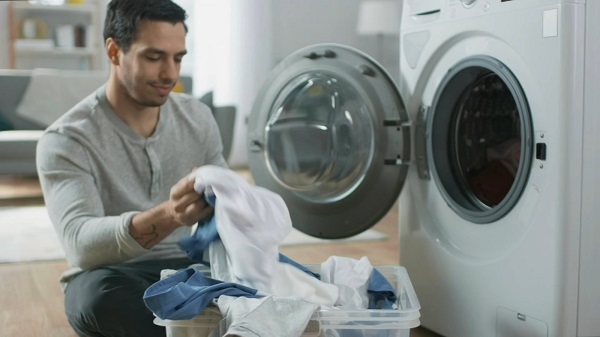
Machine washing is the most common way to wash clothes. It’s simple to use, and you won’t have to wait long for your clothes to come out clean. The downside is that machine washing can produce a lot of water noise. Additionally, it can be difficult to get the dirt and sweat out of your clothes.
Hand Wash
One of the most common ways to wash clothes is by hand. This is because you can use a lot less water and it’s faster than using a machine. Hand washing also produces cleaner clothes than machines, which means that your clothes will last longer.
The best way to wash clothes is by using cold water and a gentle detergent. You should also add some laundry detergent to the Rinse cycle to help preserve colors and fabric.
Dry Clean
Dry cleaning is the most popular way to clean clothes. It involves using a dryer to heat up the clothing and then breaking it down into small pieces so that all of the dirt, sweat, and stains can be removed. The biggest drawback to dry cleaning is that it takes a lot of time and effort. Additionally, it can be difficult to get the correct result when dry cleaning clothing.
How To Wash Fiberglass Out Of Clothes
How to get fiberglass out of clothes – This can be done by using a laundry detergent, hot water, and an agitation machine. Be sure to wear gloves when cleaning the clothes so that you don’t create any harmful chemicals. Once all of the dirt, sweat, and stains have been removed, it is important to dry the clothes. You can do this by putting them in the dryer or by airing them out.
Conclusion
Wash clothes in the correct way to remove dirt, sweat, and stains. Machine wash clothes and dry them at the lowest temperature possible. Hand washes clothes, using a gentle detergent and enough water to cover the clothing. Dry clothes on a hanger or rack to reduce wrinkles.