
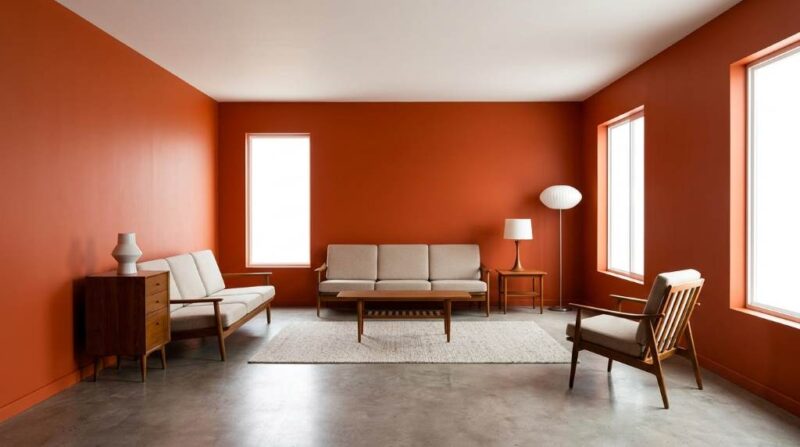
You can soften a wall color without repainting by layering soft textiles, adding warm lighting, and introducing neutral decor elements. Sheer curtains, rugs, and furniture in muted tones visually dilute harsh or bold wall colors. These simple changes shift the room’s mood without touching a single paintbrush.
Bold wall colors can easily overpower a space. In fact, studies show that color influences up to 90% of a person’s first impression of a room. Around 60% of homeowners report feeling overwhelmed by a wall color they chose but regret. Thankfully, you have many clever, budget-friendly options to fix that fast.
Why Wall Colors Can Feel Too Intense Over Time
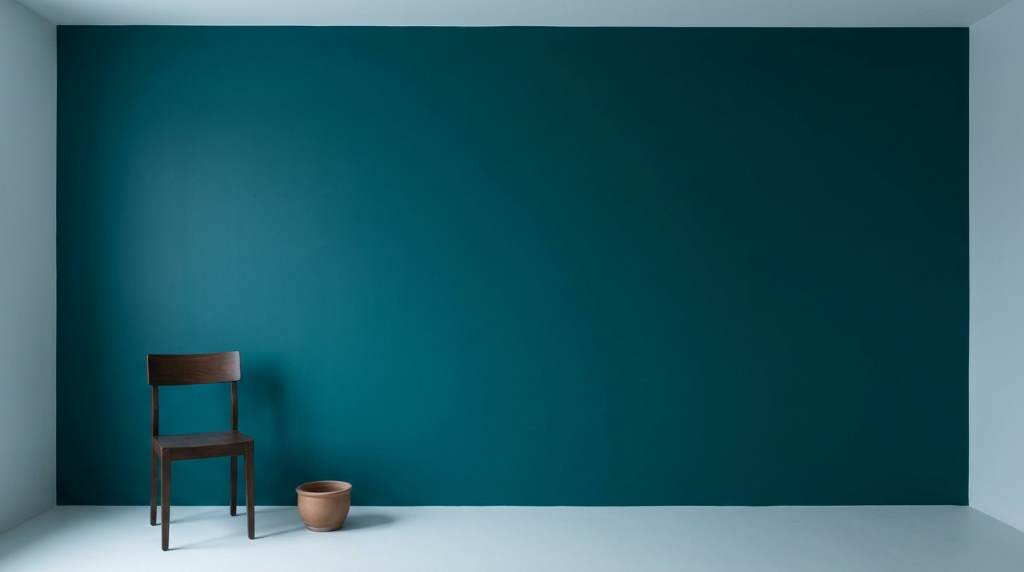
A color often looks different once it covers an entire room. Natural and artificial lighting change how pigment reads on large surfaces. Furniture and flooring also shift the visual balance of any shade. These factors together make a once-perfect color feel suddenly too strong.
Paint undertones become more visible in full-room applications. A blue-gray may read almost purple under warm bulbs. A beige can turn yellow or orange in afternoon sunlight. Understanding this helps you choose the right softening strategy quickly.
Use Soft Furnishings to Balance Bold Colors
Soft furnishings are your fastest and most affordable visual tool. Large area rugs in neutral or muted tones immediately ground an intense wall color. Throw blankets and pillows in cream, sand, or sage pull attention away from harsh walls. Together, these layers create a calmer, more cohesive feel.
Choose fabrics with natural textures like linen, cotton, or wool. These materials absorb visual energy rather than reflect it back. Velvet and chunky knits add warmth that balances cooler wall shades. If you are exploring trending interior paint colors, you will notice neutral textiles consistently paired with bolder backgrounds.
Consider slipcovers if your sofa clashes with the wall. A white or oatmeal slipcover can visually reset an entire seating area. Even a large throw draped over a chair helps shift the tone. Small fabric changes create surprisingly large visual impact.
Best Textile Colors to Soften Walls
Choosing the right textile color matters as much as the material itself. Here are the most effective options:
- Cream and ivory: Soften nearly any bold or saturated wall tone
- Warm beige: Counteracts cool blues, greens, and grays effectively
- Sage green: Tones down warm reds, oranges, and bright yellows
- Dusty rose: Softens deep navy, charcoal, and forest green walls
- Warm white: Brightens dark rooms while balancing deep wall colors
Layer Lighting to Change Color Perception
Lighting is one of the most powerful tools in any decorator’s kit. Warm-toned bulbs (2700K to 3000K) make cool or harsh colors feel cozier. Dimmer switches let you control the intensity at different times of day. Simply swapping bulbs can visually mellow a wall color overnight.
Floor lamps and table lamps redirect focus away from the walls. Placing light sources at lower levels draws the eye downward and inward. This creates a layered, intimate atmosphere that reduces wall dominance. For inspiration on using color creatively, explore pink color in interior design to see how lighting transforms bold hues.
Avoid relying solely on harsh overhead ceiling lights. They push color to the forefront and flatten the room’s depth. Instead, use multiple light sources spread across the space. This approach creates softness and dimension simultaneously.
Lighting Types That Work Best
Not all light sources soften wall colors equally. Here is a quick guide:
- Warm LED bulbs: Reduce the intensity of cool or bright wall shades
- Table lamps with fabric shades: Diffuse light and add a warm glow
- Floor uplights: Draw attention to ceilings and away from walls
- Candles or flame-effect bulbs: Add warmth in evenings and smaller spaces
- Dimmer switches: Give you full control over color mood at any hour
Introduce Large Artwork and Wall Decor
Covering portions of a bold wall is a simple visual trick that works well. Large artwork in soft or neutral tones immediately dilutes the impact of intense color. A gallery wall draws the eye to the art rather than the paint behind it. This creates a focal point that steals attention from the wall itself.
Choose artwork with warm, earthy, or muted palettes for maximum softening effect. Abstract pieces in beige, blush, or soft brown pair well with cool or jewel-toned walls. Framed botanical prints add organic calm to bright or energetic backgrounds. Even a large mirror reflects light and reduces color intensity beautifully.
Woven wall hangings are another excellent choice for texture and softness. Macrame, rattan panels, and fabric tapestries add warmth without adding weight. They break up solid color expanses across large walls. Plus, they work well in both modern and bohemian interiors.
Wall Decor Ideas That Soften Bold Colors
- Oversized canvas art: Covers large wall sections and redirects visual focus
- Framed gallery grids: Break up bold color with layered, curated imagery
- Woven tapestries: Add texture and warmth to harsh or cool backdrops
- Large mirrors: Reflect light and neutralize overpowering wall tones
- Floating shelves with decor: Interrupt solid color while adding functionality
Add Plants and Natural Elements
Greenery is one of the most underrated tools for softening interior color. Lush, full plants placed against bold walls add a natural buffer of color. Green naturally complements almost every wall tone, from warm terracotta to cool cobalt. A few well-placed plants can transform an intense room into a calm retreat.
Choose plants with large, broad leaves for maximum visual impact. Fiddle-leaf figs, monstera, and bird of paradise create strong softening effects. Smaller plants grouped together on shelves or windowsills also break up color blocks. Natural wood planters add additional warmth and earthiness to the space.
Natural materials beyond plants also contribute to softening. Rattan baskets, bamboo blinds, and stone or wooden decor accessories all help. These organic elements add visual texture that calms bold color energy. Even a wooden bowl on a side table makes a noticeable difference.
Use Curtains Strategically to Reframe the Room
Floor-to-ceiling curtains reframe a room’s entire visual structure. Hanging curtains close to the ceiling draws the eye upward and reduces wall focus. Choosing light, sheer fabrics in off-white or linen softens the overall palette. This technique is especially effective in rooms with bright or warm wall colors.
Avoid curtains that match the wall color exactly. Instead, choose curtains one to two shades lighter or in a complementary neutral. This contrast creates a framing effect that makes the wall feel less dominant. The result feels intentional, styled, and significantly more calming.
Heavy drapes in velvet or thick cotton also add warmth and absorb color intensity. They reduce the visual bounce of light off vivid walls. In rooms with little natural light, layer sheers under heavier drapes for flexibility. This gives you full control over how much softness the room projects.
Rearrange Furniture to Shift Visual Weight
Furniture placement directly affects how much of a wall you see. Placing a large bookcase or tall furniture piece against a bold wall immediately reduces its visible surface area. The furniture becomes the focal point rather than the paint behind it. This simple rearrangement can shift a room’s entire mood.
Float furniture slightly away from the walls to create breathing room. This technique layers depth and reduces the flat intensity of bold colors. A sofa angled into the room with a rug beneath anchors the space visually. The eye stays on the furniture arrangement rather than drifting to the walls.
Use bookshelves with styled objects, books, and plants to break up wall sections. Alternating colors and textures across shelving create a layered, gallery-like effect. This strategy works beautifully in home offices, living rooms, and dining areas. Filling vertical space intelligently reduces the impact of any paint color underneath.
Apply Removable Wallpaper or Peel-and-Stick Panels
Removable wallpaper offers a non-permanent solution that requires no painting at all. Modern peel-and-stick options come in subtle patterns, textures, and soft tones. Applying them to one or two accent walls immediately changes the room’s color story. They peel off cleanly without damaging the wall underneath.
Textured panels in wood, brick, or fabric finishes also work as overlays. These add dimension that visually softens any flat paint color beneath. They work especially well in rental spaces where painting is not allowed. Many affordable options are available at home improvement and online decor retailers nationwide.
Choose patterns with soft, organic designs for maximum calming effect. Subtle florals, abstract watercolor prints, and geometric neutrals all work well. Avoid busy or high-contrast patterns, as these can add visual noise instead of calm. Keep the removable element cohesive with your existing furniture and textiles.
Conclusion
Softening a wall color without repainting is entirely achievable with the right approach. Layering textiles, adjusting lighting, adding greenery, and styling your space smartly all make a real difference. You do not need a paintbrush or a contractor to transform how a room feels. Start with one or two changes today and watch the entire atmosphere shift.
Ready to refresh your space? Pick one strategy from this guide and try it this weekend. Share your before-and-after results and inspire others to rethink their rooms. Your perfect, calming space is closer than you think.
Frequently Asked Questions
Can sheer curtains really make a wall color look softer?
Yes, sheer curtains diffuse natural light and draw the eye away from bold wall colors, creating an instantly softer visual effect.
What is the fastest way to soften a wall color without repainting?
Swapping to warm-toned light bulbs is the fastest single change that immediately reduces the intensity of any wall color.
Do area rugs help tone down wall colors?
Yes, a large neutral or muted rug grounds the room and naturally reduces the visual dominance of bold or overpowering wall colors.
Can removable wallpaper cover a color I dislike completely?
Removable peel-and-stick wallpaper can cover a wall fully without paint, offering a clean, damage-free alternative in any room.
Does furniture arrangement actually affect how wall colors look?
Yes, placing larger furniture pieces against bold walls reduces the visible paint surface and shifts focus to the decor instead.
