
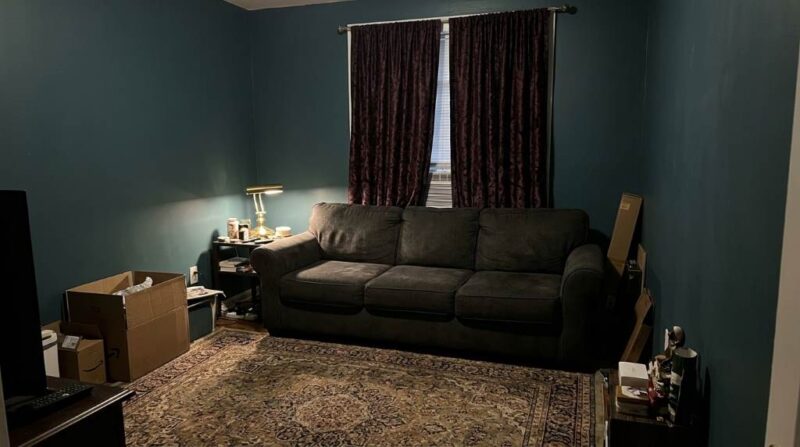
Small homes rarely feel cramped because of size alone. Most spaces feel smaller because common design mistakes reduce function, visual balance, and comfort. By correcting furniture placement, lighting choices, storage habits, and layout decisions, you can create a home that feels larger, brighter, and more inviting without adding square footage.
Recent housing trends show that smaller homes and apartments remain increasingly common. Meanwhile, many homeowners prioritize multifunctional living areas and efficient storage solutions. However, maximizing a compact home requires more than buying smaller furniture. Thoughtful design decisions can dramatically improve how a space looks, feels, and performs every day.
Why Small Design Mistakes Create Big Problems
Every design choice affects how people experience a room. Even minor errors can make spaces feel crowded and uncomfortable.
Moreover, compact homes have less margin for error. Therefore, poor layout decisions become more noticeable and impactful.
When multiple mistakes occur simultaneously, rooms often appear darker and smaller. As a result, homeowners may assume they simply need more space.
In reality, many homes already have enough square footage. Instead, they need smarter design strategies and better organization.
The Mistake of Choosing Furniture That Is Too Large
Large furniture often overwhelms compact rooms. Consequently, movement becomes difficult and visual balance disappears.
Many homeowners focus on comfort alone during furniture shopping. However, scale matters just as much as functionality.
Signs Your Furniture Is Too Big
Several indicators reveal oversized furniture problems:
: Walkways feel narrow or blocked
: Doors cannot open fully
: Multiple pieces touch each other
: The room feels crowded despite limited décor
: Natural movement becomes difficult
Instead of maximizing seating capacity, prioritize circulation. Therefore, every room will feel more open and comfortable.
A Better Approach
Choose furniture proportional to room dimensions. Additionally, consider pieces with visible legs because they create visual openness.
Multifunctional furniture also works exceptionally well. For example, storage ottomans and expandable tables save valuable space.
Ignoring Vertical Space
Many homeowners focus exclusively on floor space. Meanwhile, valuable wall space remains completely unused.
Vertical storage creates room without increasing clutter. Furthermore, it draws the eye upward and enhances perceived height.
Bookshelves, wall mounted cabinets, and floating shelves offer practical solutions. Consequently, rooms gain storage while maintaining open floor areas.
Decorative wall organization also improves functionality. Therefore, small homes can support more belongings without feeling overcrowded.
Poor Lighting Choices
Lighting influences mood, functionality, and perceived size. Yet many compact homes rely on a single overhead fixture.
Unfortunately, one light source creates shadows and visual imbalance. As a result, rooms often appear smaller than they actually are.
Common Lighting Errors
Several lighting mistakes frequently affect small homes:
: Using only ceiling lighting
: Blocking windows with heavy coverings
: Choosing dim bulbs
: Ignoring task lighting
: Creating dark corners
Layered lighting solves many of these problems. Therefore, combine ambient, task, and accent lighting whenever possible.
Maximizing Natural Light
Natural light makes any room feel larger. Consequently, homeowners should remove obstacles that limit daylight.
Light window treatments often work better than heavy drapes. Additionally, strategically placed mirrors help reflect sunlight throughout the room.
Pushing All Furniture Against Walls
Many people assume wall placement creates more space. However, this strategy often produces awkward layouts.
Furniture pressed tightly against walls can make rooms feel disconnected. Instead, intentional groupings create better flow and comfort.
Even a few inches of separation can improve visual balance. Therefore, experiment with different arrangements before settling on one layout.
Conversation areas benefit especially from thoughtful positioning. As a result, rooms feel more welcoming and functional.
Overusing Dark Colors
Dark colors can create sophistication and depth. However, excessive darkness may overwhelm small interiors.
When walls, furniture, and décor share dark tones, rooms absorb light. Consequently, spaces often feel enclosed and smaller.
This does not mean avoiding dark colors entirely. Instead, use them strategically alongside lighter elements.
Balanced contrast creates visual interest and dimension. Therefore, homeowners can enjoy bold design without sacrificing openness.
Neglecting Storage Planning
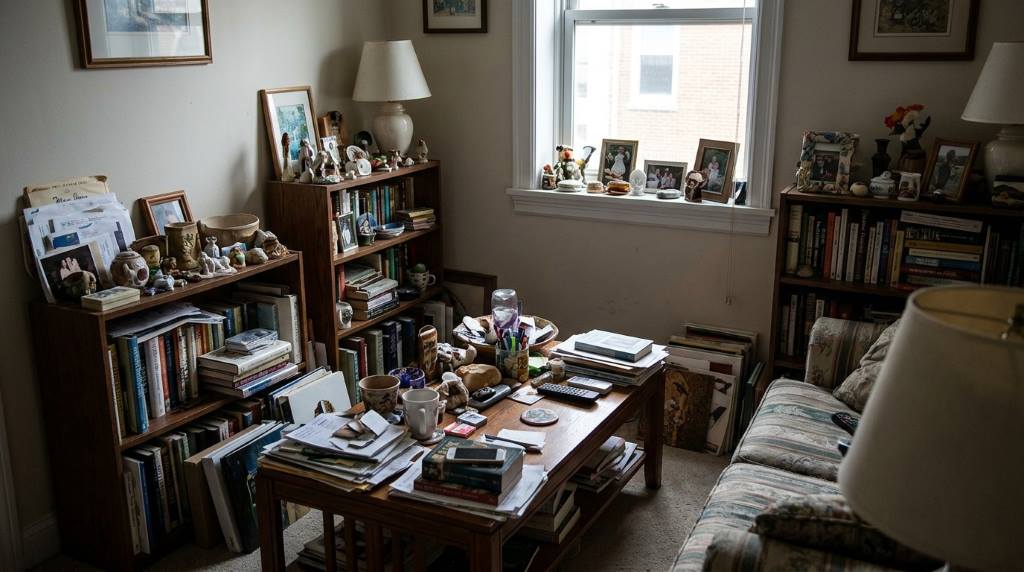
Clutter remains one of the fastest ways to shrink a room visually. Even attractive décor loses impact when surrounded by disorder.
Unfortunately, many homes lack intentional storage systems. Therefore, everyday items accumulate on visible surfaces.
Storage Strategies That Work
Consider these practical solutions:
: Under bed storage containers
: Built in shelving
: Entryway storage benches
: Hidden cabinet organizers
: Wall mounted storage systems
Smart storage reduces visual noise. As a result, rooms appear larger and more organized.
The Importance of Daily Accessibility
Storage should remain convenient and easy to access. Otherwise, clutter quickly returns despite good intentions.
Frequently used items deserve designated locations. Consequently, maintaining organization becomes much easier.
Decorating Every Available Surface
Decorative objects add personality and warmth. However, excessive decoration often creates visual chaos.
Many homeowners fill every shelf, table, and countertop. Unfortunately, this eliminates visual breathing room.
Empty space plays an important design role. Therefore, leave some surfaces intentionally clear.
Selective decoration creates stronger impact. As a result, individual pieces receive more attention and appreciation.
Choosing the Wrong Rug Size
Rugs influence room proportions more than many people realize. Yet incorrect sizing remains extremely common.
Small rugs often make rooms appear fragmented. Consequently, furniture arrangements feel disconnected and awkward.
Larger rugs usually perform better in compact spaces. Furthermore, they help unify different functional areas.
When possible, allow major furniture pieces to connect with the rug. Therefore, the room feels cohesive and balanced.
Forgetting About Traffic Flow
A beautiful room still fails if movement feels difficult. Therefore, traffic flow should guide every design decision.
People need comfortable pathways through living areas. Otherwise, rooms become frustrating despite attractive appearances.
Before adding new furniture, evaluate movement patterns carefully. Consequently, everyday activities remain smooth and convenient.
Functional layouts improve both comfort and aesthetics. As a result, homes feel more spacious and welcoming.
Using Too Many Design Styles
Mixing styles can create personality and uniqueness. However, excessive variation often causes visual confusion.
A room combining numerous unrelated themes lacks cohesion. Therefore, the space feels busier than necessary.
Instead, establish a primary design direction. Then introduce complementary accents thoughtfully and consistently.
Visual harmony supports a sense of openness. Consequently, rooms appear calmer and more intentional.
Ignoring Scale in Accessories
Accessories should complement furniture rather than compete with it. Unfortunately, scale mismatches occur frequently.
Tiny artwork often disappears on large walls. Meanwhile, oversized accessories can overwhelm compact rooms.
Balance remains essential throughout the design process. Therefore, evaluate each decorative element within the broader context.
Thoughtful proportions create a polished appearance. As a result, spaces feel professionally designed and visually comfortable.
Creating Functional Zones in Small Homes
Modern homes often serve multiple purposes simultaneously. Therefore, clear zoning improves organization and usability.
A single room may function as an office, dining area, and lounge. Consequently, boundaries become increasingly important.
Effective Zoning Techniques
Several methods help define separate areas:
: Area rugs
: Lighting variations
: Furniture placement
: Open shelving
: Color distinctions
These strategies create structure without walls. Therefore, spaces remain open while supporting different activities.
Small Changes That Deliver Immediate Results
Many homeowners believe major renovations are necessary. However, simple adjustments often create significant improvements.
Rearranging furniture can transform a room within hours. Similarly, decluttering immediately increases perceived space.
Improved lighting delivers another fast upgrade. Furthermore, adding vertical storage creates long term benefits.
When multiple small improvements work together, results become surprisingly dramatic. Consequently, homes feel larger and more enjoyable.
Conclusion
Small homes do not need more square footage to make a strong impression. Instead, they need thoughtful design decisions that maximize function, light, storage, and visual balance.
Review your home room by room and identify the mistakes discussed above. Then make one improvement at a time and measure the difference. With the right approach, even the smallest space can deliver exceptional comfort, style, and practicality.
FAQs
What is the biggest mistake in a small home?
Oversized furniture is often the most common mistake because it restricts movement and visual openness.
Do light colors always make rooms look bigger?
Light colors generally help reflect light and create a more spacious appearance.
How can I add storage without adding clutter?
Use vertical storage, hidden compartments, and multifunctional furniture to increase organization.
Should furniture always touch the walls in small rooms?
No, strategic spacing often improves balance and makes rooms feel more inviting.
Can mirrors really make a room feel larger?
Yes, mirrors reflect light and views, which increases the perception of space.
