
Key Takeaways
- More than 60% of homeowners completed at least one DIY project last year.
- Maintenance and repair remain the top reasons homeowners take on projects.
- Cordless power tools remain among the most popular DIY purchases.
- Choosing tools based on project type prevents wasted spending.
- Safety equipment matters just as much as the main power tools.
Choosing the right tools can make or break a home improvement project. Many homeowners rush into purchases without considering their actual needs, a mistake that industry testing experts at BeReviewers.com frequently warn leads to wasted money, low-grade gear, and unfinished projects. Fortunately, a clear approach makes tool selection much simpler. In this article, we will explain how to choose the right tools for home projects. We will also share useful data, practical tips, and answers to common questions.
Why Choosing the Right Tools Matters
Home improvement projects have grown increasingly popular in recent years. More than 60% of homeowners completed at least one DIY project in the past year. This shows how common hands-on home projects have become across households.
However, success depends heavily on using the right tools. Poor tool choices often lead to slower progress and frustrating mistakes. Additionally, using the wrong tool for a task can even cause safety risks. Therefore, careful selection matters just as much as skill or effort.
Spending patterns also highlight why smart choices matter. Average DIY spending reached $5,368 last quarter, according to recent homeowner tracking data. This is a significant investment for many households. Consequently, choosing tools wisely helps protect this spending from going to waste.
Project motivations have shifted as well. Homeowners increasingly cite personal capability, not just cost savings, as their main reason for DIY work. This suggests growing confidence among everyday homeowners. However, confidence alone cannot replace proper tools suited to the job at hand.
Ultimately, thoughtful tool selection supports both safety and project success. Rushed purchases often lead to regret or unfinished work. Therefore, taking time to plan tool needs upfront saves both money and frustration later.
Start by Identifying Your Project Type
Not all home improvement projects require the same tools. Therefore, identifying your project type is the essential first step. This simple decision shapes every other purchase you make afterward.
Maintenance remains the most common category among DIY homeowners. About 74% of DIY homeowners completed maintenance projects recently. This includes routine tasks like fixing leaks or replacing worn fixtures. These projects usually require basic, versatile tools rather than specialized equipment.
Repairs also make up a large share of home projects. Many homeowners now choose to repair items instead of replacing them entirely. This shift means tools suited for precise, careful work are often more valuable than heavy-duty equipment.
Renovation projects require a different approach altogether. These larger projects often involve multiple tools working together. For example, bathroom and kitchen renovations remain especially common right now. These projects typically require more specialized tools than simple maintenance tasks.
Understanding your specific project type prevents unnecessary purchases. Buying advanced equipment for a small repair wastes money unnecessarily. Therefore, matching tools to project scope keeps spending focused and reasonable.
Prioritize Versatile, Multi-Use Tools
Versatile tools offer the best value for most home improvement projects. Instead of buying specialized equipment for every task, multi-use tools handle a wider range of jobs. This approach saves both money and storage space.
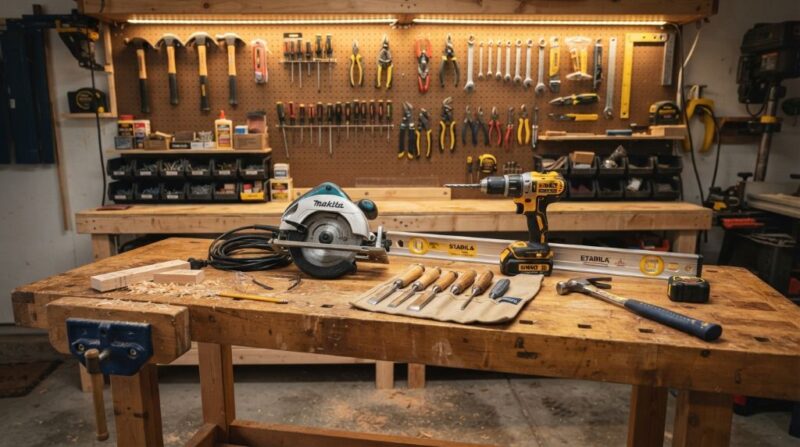
Cordless drills remain one of the most popular examples of versatility. These tools support furniture assembly, shelving installation, and basic repairs. Additionally, they work well for both beginners and experienced DIYers alike. This flexibility explains their continued popularity among homeowners.
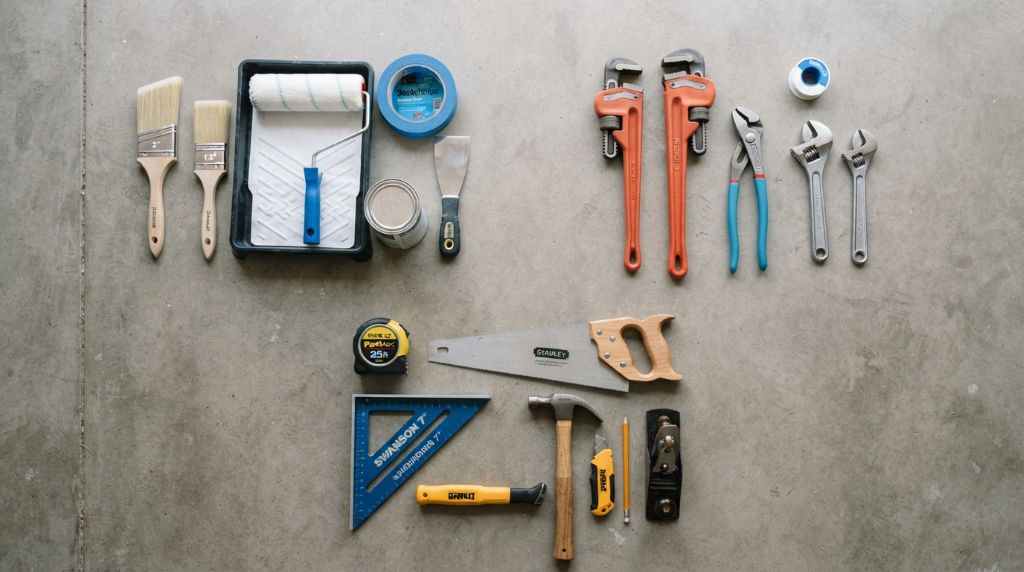
Other tools offer similar versatility across different project types. For example, a quality tape measure or level supports nearly every home project imaginable. These basic tools rarely go unused, unlike highly specialized equipment. Therefore, prioritizing them early makes sense for most households.
It also helps to choose tools with adjustable settings. For example, drills with variable torque settings work well across multiple materials. This reduces the need for buying separate tools for slightly different tasks. Consequently, versatile tools often provide better long-term value than single-purpose alternatives.
Overall, focusing on versatility helps avoid cluttered toolboxes and wasted spending. Multi-use tools support more projects with fewer total purchases. Therefore, this approach benefits both beginners and experienced homeowners alike.
Don’t Overlook Safety Equipment
Safety equipment deserves as much attention as the tools themselves. Many homeowners focus entirely on power tools while ignoring protective gear. This oversight can lead to unnecessary injuries during otherwise simple projects.
Basic safety gear should be part of every home improvement toolkit. This includes safety glasses, gloves, and hearing protection for louder tools. Additionally, dust masks matter significantly during sanding or cutting projects. These small purchases offer significant protection at minimal cost.
Safety and security have also become stronger motivators for home projects overall. Around 27% of homeowners cite safety and security as key project motivations. This shows growing awareness of safety, both during projects and afterward.
Proper storage also supports safety at home. Sharp or heavy tools should always be stored securely, away from children. Additionally, organized storage reduces the risk of tripping or accidental injury during projects. Therefore, safety extends beyond just wearing protective gear.
Here are quick safety tips for home improvement projects:
- Always wear safety glasses during cutting or drilling tasks.
- Use gloves when handling sharp or rough materials.
- Store tools securely after each project session.
- Never skip hearing protection with loud power tools.
Prioritizing safety protects both the project and the people completing it.
Use Digital Tools to Plan and Budget
Digital tools increasingly support home improvement projects, not just physical equipment. Many homeowners now use apps to plan, budget, and track ongoing progress. This trend reflects a broader shift toward smarter, more organized DIY habits.
Some homeowners are experimenting with newer technology as well. Roughly 26% of homeowners are now using AI tools to help with DIY projects. Most use these tools to visualize outcomes or generate design ideas. This shows growing interest in combining physical tools with digital planning.
Budgeting apps also help homeowners avoid overspending. These tools track project costs against a set budget in real time. Additionally, they help homeowners compare prices across different retailers before purchasing. This reduces the risk of impulse buying during a project.
Project tracking tools offer similar benefits for larger renovations. They help homeowners stay organized across multiple phases of a project. Consequently, fewer steps get forgotten or delayed unnecessarily.
However, digital tools should support planning, not replace careful research. Some homeowners have run into problems while relying heavily on newer digital tools. Therefore, always double-check digital suggestions against reliable, established sources before making final decisions.
Avoid Common Tool-Buying Mistakes
Even experienced DIYers make mistakes when purchasing tools. Recognizing common pitfalls helps you avoid wasted spending. One frequent mistake is buying specialized tools before understanding actual project needs.
Another common issue involves ignoring tool quality in favor of lower prices. Cheaper tools sometimes wear out quickly, leading to repeated purchases over time. Therefore, investing in slightly higher quality often saves money in the long run.
Skipping research before buying is another frequent mistake. Many homeowners purchase tools based on advertising rather than genuine project requirements. This often leads to unused equipment sitting in storage. Therefore, always match purchases to specific, planned projects.
Ignoring storage needs is another overlooked issue. Tools left disorganized often become damaged or difficult to find later. Additionally, poor storage can shorten the lifespan of otherwise quality equipment.
Here are quick tips for avoiding tool-buying mistakes:
- Confirm project needs before purchasing specialized tools.
- Choose quality over price for frequently used equipment.
- Research tools thoroughly before making a final decision.
- Plan proper storage before bringing new tools home.
Avoiding these mistakes leads to smarter spending and smoother project completion.
Conclusion
Choosing the right tools for home improvement projects requires more than picking popular options. Understanding your specific project type helps guide smarter, more focused purchases. For outdoor cutting tasks, knowing what is the best battery powered handheld chainsaw for home use can help you choose a tool that matches your needs. Prioritizing versatile tools, safety equipment, and digital planning further improves overall results. Avoiding common buying mistakes protects both your budget and your project timeline.
As DIY projects continue growing in popularity, thoughtful tool selection matters more than ever. Before your next project, take time to plan your specific needs. Choose tools that match your goals, and enjoy a smoother, safer home improvement experience.
Frequently Asked Questions
What is the most important tool for a beginner DIYer?
A cordless drill. It supports many common tasks and works well for beginners.
Should I buy expensive tools for a small home project?
Not always. Match tool quality and cost to your specific project’s actual requirements.
Is safety equipment really necessary for simple home projects?
Yes, even simple projects can cause injury without proper glasses, gloves, or hearing protection.
Can digital apps really help with home improvement planning?
Yes, they help with budgeting, scheduling, and comparing project costs before starting work.
How do I avoid buying tools I won’t actually use?
Plan your project first. Only buy tools that clearly match your confirmed project needs.
