
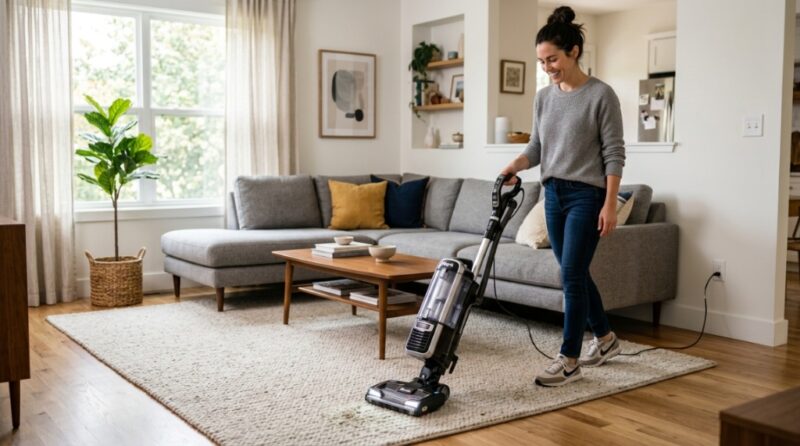
You are standing in the cleaning aisle, staring at a wall of vacuums. The prices are intimidating, and you are not sure if spending more guarantees better performance. The reality is that finding a powerful, reliable cleaner without breaking the bank feels like searching for a needle in a haystack. You want deep-cleaning carpets and easy maneuverability, but your budget is strict. This guide is your cheat sheet. We have analyzed the market to help you compare the top upright vacuums under $200, ensuring you get maximum value without sacrificing suction power or durability. Let us cut through the noise and find your perfect match.
What Features Actually Matter in a Budget Upright Vacuum?
When shopping on a budget, you cannot afford to waste money on flashy gimmicks. Focus on the features that directly impact cleaning performance. A great vacuum under $200 must have strong suction, effective filtration, and durable brush rolls. Everything else is a bonus.
Suction Power and Air Watts
Do not get distracted by “peak horsepower” numbers. Instead, look for “air watts” or reviews that comment on deep-cleaning ability. Most uprights under $200 offer between 100 and 150 air watts. For context, this is enough to lift embedded dirt from medium-pile carpets. Avoid units with extremely thin hoses, as they restrict airflow and reduce cleaning efficiency on upholstery.
Filtration Systems: Bagged vs. Bagless
Bagless models save you money on replacement bags, but they require frequent filter cleaning. If you suffer from allergies, look for a vacuum with a sealed HEPA filtration system. Even budget models now offer HEPA-style filters. Bagged models, while less common in this price range, trap dust more effectively for the user who empties the bin infrequently.
Brush Roll Design and Height Adjustment
A brush roll that cannot be turned off is a deal breaker for homes with hard floors. Many affordable models include a “brush roll shut-off” feature. Height adjustment is also critical. Manual adjustments are fine, but automatic adjustment saves you from bending over constantly. A brush roll with stiff nylon bristles works best for carpets; a softer option is better for delicate rugs.
How Do You Choose Between Corded and Cordless Models Under $200?
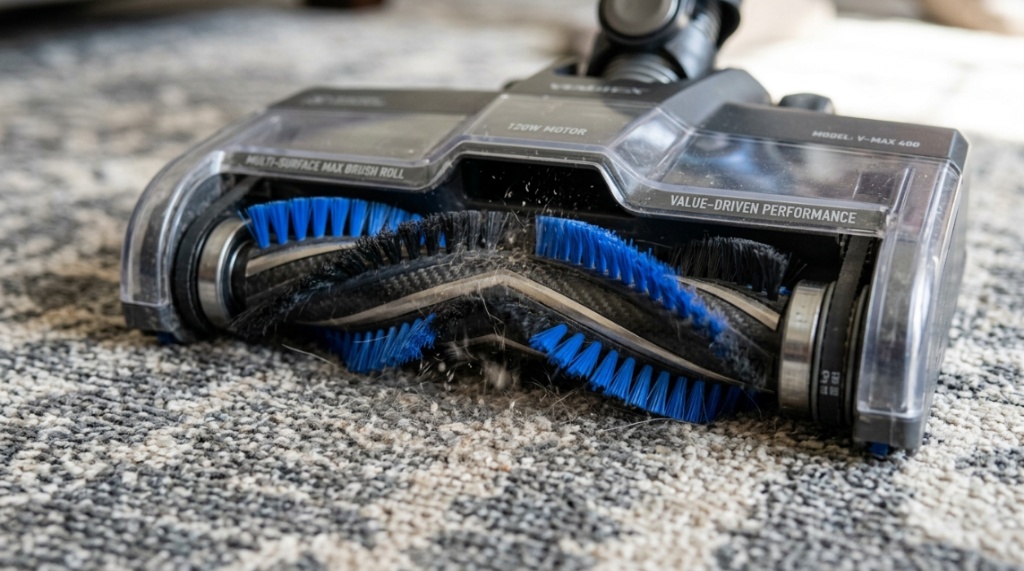
In the sub-$200 category, corded upright vacuums generally offer superior, consistent suction power. Cordless models provide convenience but often sacrifice runtime and raw cleaning strength. Your choice depends entirely on the size of your home and your tolerance for battery management.
The Case for Corded Uprights
If you have a home larger than 1,500 square feet, stick with a corded model. You will never lose suction mid-clean. The best corded options in this price range feature long power cords (30+ feet) and quick-release mechanisms. They are slightly heavier, but the trade-off is powerful, uninterrupted cleaning that handles pet hair and deep dirt easily.
When Cordless Makes Sense
Cordless uprights under $200 are ideal for apartments, dorms, or quick daily touch-ups. However, do not expect 45 minutes of runtime. Most affordable cordless models offer 15–25 minutes of actual cleaning time. Look for a removable battery so you can purchase a spare later. Be aware that suction power on cordless models often drops significantly when the battery is low.
Which Brands Offer the Best Reliability for Under $200?
Brand reputation matters because a vacuum is an investment in your home’s cleanliness. In the budget segment, three brands consistently deliver: Bissell, Hoover, and Shark. Each has unique strengths, but all prioritize value engineering without creating disposable machines.
Bissell: The Pet Hair Specialist
Bissell dominates the under-$200 market with its Pet Hair Eraser and CleanView lines. These vacuums feature tangle-free brush rolls and specialized pet turbo brushes. Bissell vacuums are lightweight and surprisingly quiet. The main downside is that the plastic components can feel less premium than more expensive options. They excel at lifting visible debris, making them a favorite for daily maintenance in pet-friendly homes.
Hoover: The Deep Cleaning Champion
Hoover’s WindTunnel technology is legendary in the budget space. Models like the React and Complete Performance Dynamic offer multi-cyclonic suction that maintains airflow even as the bin fills. Hoover vacuums often have larger dirt capacities (over 1.5 liters), meaning fewer trips to the trash can. They are heavier than Bissell models but provide a deeper clean on plush carpets.
Shark: The Versatile Performer
Shark uprights, such as the Navigator or Rotator series, are known for their lift-away technology. This allows you to detach the canister and clean stairs or furniture easily. Shark vacuums typically feature powerful LED headlights and swivel steering. They are excellent for multi-surface homes. Just be aware that replacement filters can be slightly more expensive than other budget brands.
How to Compare Suction and Filtration Efficiency
Comparing vacuums based on wattage is misleading. Instead, compare how the machine handles real-world debris. A vacuum with high suction but poor airflow under a couch is useless. You want a balance of static suction (measured in inches of water lift) and dynamic airflow (CFM).
Understanding CFM vs. Water Lift
CFM (Cubic Feet per Minute) tells you how much air the vacuum moves. A number around 60–80 CFM is acceptable for a budget upright. Water lift measures how strongly the vacuum can pull dirt from carpet fibers. Look for a water lift rating of at least 70 inches. The top upright vacuums under $200 achieve this by using direct-drive motors rather than belt-driven systems.
HEPA and Sealed Systems
Just because a vacuum has a HEPA filter does not mean the entire system is sealed. A sealed system ensures that all air passing through the vacuum passes through the filter, trapping allergens. If you have asthma, verify the product listing explicitly states “sealed HEPA system.” Many budget models claim “HEPA filtration” but leak air around the filter housing.
Cyclonic vs. Bag Filtration
Cyclonic vacuums use centrifugal force to separate dirt from air, which theoretically prevents clogs. Budget cyclonic models can struggle with fine dust, leading to filter clogging. Bagged units offer superior dust retention but add ongoing costs. A practical tip: if you choose cyclonic, empty the bin frequently and wash the foam filter monthly.
Why Maneuverability and Weight Are Critical Factors
A vacuum that is hard to push will end up sitting in the closet. Weight and handling directly affect how often you clean. Most uprights under $200 weigh between 12 and 18 pounds. Heavier is not always better, but it usually indicates a more robust motor.
Swivel Steering and Floor Transitions
Test the swivel radius of the vacuum. Good swivel steering allows you to navigate around furniture legs without bumping. Look for models with wide rear wheels that roll smoothly over electrical cords and transition strips. Poor floor transitions can cause the vacuum to tip over, which is frustrating and potentially damaging to the machine.
Handle Design and Cord Management
An ergonomic handle with a comfortable grip reduces wrist strain. Compare the location of the power button, the cord release, and the height adjustment lever. The best budget vacuums place these controls within thumb reach. Cord length is also crucial. A 25-foot cord gives you roughly a 50-foot cleaning radius. Automatic cord rewind is rare in this price range but is a huge convenience if you can find it.
Can a $200 Vacuum Really Handle Pet Hair Effectively?
Yes, but you need to choose wisely. Not all vacuums can lift embedded pet hair from carpets or prevent hair from wrapping around the brush roll. The key is finding a model with a “tangle-free” brush roll design and high enough suction to pull hair from deep fibers.
Brush Roll Solutions for Pet Owners
Look for brush rolls with a “self-cleaning” or “tangle-free” mechanism. These often use a combination of soft and rigid bristles to flick hair into the dustbin instead of wrapping. Hoover’s “Pet Alliance” models and Bissell’s “Tangle-Free” brushes are excellent examples. Avoid models with standard brush rolls with end caps, as hair wraps mercilessly there.
Pet Hair Attachments and Tools
Your vacuum should include a dedicated pet upholstery tool. This tool typically has rubber bristles that create static electricity to attract hair. The crevice tool should be long enough to reach under couches. A turbo brush (air-powered) is useful for pet hair on stairs, but it requires strong airflow. If your vacuum has a weak motor, the turbo brush will stop spinning on high-pile carpet.
Maintenance Tips for Pet Hair
To keep your vacuum running well with pets, clean the brush roll every week. Use scissors to cut away wrapped hair. Empty the dustbin after every use to prevent odors. Wash the pre-motor filter monthly. A neglected filter reduces suction by up to 40%, making pet hair removal almost impossible,While budget vacuums offer great value, brand reputation matters when looking at long-term performance. For a deeper dive into reliability, read our guide: Hoover vs Bissell: Which Vacuum Cleans Better and Lasts Longer
Which Upright Vacuum Should a First-Time Buyer Choose?
If you are buying your first vacuum, avoid overcomplicating the decision. Focus on versatility and ease of use. The best choice for a beginner is a lightweight, bagless model with a simple height adjustment and a brush roll shut-off for hard floors.
Recommended Starter Models
The Bissell CleanView Swivel Rewind Pet (around $150) and the Hoover Complete Performance Dynamic (around $130) are excellent starting points. Both are easy to assemble and come with clear user manuals. The Bissell is lighter, while the Hoover has more suction. Do not buy the cheapest model on the shelf; invest slightly more for features like a longer power cord or a better warranty.
Common Mistakes New Buyers Make
New buyers often ignore the filter cleaning schedule. Set a reminder on your phone. Another mistake is using the vacuum on high-pile shag carpets without raising the height setting. This burns out the belt quickly. Finally, do not assume that the highest price guarantees the best performance. Stick to reputable brands and read verified user reviews for long-term reliability insights.
How to Maintain Your $200 Upright Vacuum for Maximum Lifespan
A vacuum under $200 is not a disposable item if you treat it right. Proper maintenance can extend its life from two years to five years. The most common cause of failure is user neglect, not manufacturing defects.
Weekly and Monthly Maintenance Schedule
- Weekly: Empty the dustbin, check the brush roll for hair wraps, and wipe down the exterior.
- Monthly: Wash the foam filter with warm water and let it dry for 24 hours. Replace the HEPA filter every 6 months.
- Quarterly: Check the belt for wear. A loose belt reduces brush roll speed. Replace it promptly.
- Annually: Remove the brush roll and clean the end caps. Inspect the hose for blockages by shining a flashlight through it.
When to Repair vs. Replace
If the motor stops working or the power cord is damaged, it is usually cheaper to replace a $200 vacuum than to repair it. However, if the brush roll is stuck or the belt snaps, repair is simple and costs under $15. Keep the user manual and note the model number for ordering parts. Avoid using your vacuum if it smells like burning rubber, as this indicates a serious motor strain.
Frequently Asked Questions
Can an upright vacuum under $200 clean carpets as well as expensive models?
Not exactly, but they come close. Budget models may lack the deep agitation and advanced filtration of $800 units. However, for daily maintenance and average dirt loads, a well-chosen $200 vacuum cleans just as effectively on low to medium-pile carpets.
Is bagless or bagged better for allergy sufferers on a budget?
Bagless vacuums are fine for allergy sufferers, but you must empty the bin outside to avoid stirring dust. Bagged vacuums are superior for containment. If you choose bagless, ensure the vacuum has a sealed HEPA system to prevent dust from escaping through the exhaust.
How long do budget upright vacuums typically last?
With proper maintenance, a $200 upright vacuum lasts between 3 to 5 years. Without maintenance, the lifespan drops to 1 to 2 years. The motor itself is durable; the plastic components and belts usually wear out first.
What is the best vacuum under $200 for pet owners with multiple pets?
The Bissell Pet Hair Eraser CleanView is often the top recommendation. It has a tangle-free brush roll, a dedicated pet tool, and good suction. For larger homes, the Hoover WindTunnel Pet Complete offers larger capacity and stronger deep cleaning.
Do I need a vacuum with a brush roll shut-off for hard floors?
Yes, if you have delicate hardwood, laminate, or luxury vinyl planks. A brush roll can scratch the surface or scatter debris. Most budget uprights under $200 now include this feature, but verify it before purchasing.
Can I use my upright vacuum to clean stairs?
Yes, but it is cumbersome. Look for a model with a lift-away canister or a long hose. If stairs are a primary concern, a lightweight stick vacuum might be a better secondary option for your home.
What is the most durable brand of upright vacuums under $200?
Hoover generally has the best reputation for durability in this price bracket. Their WindTunnel technology and robust motors withstand heavy use. Bissell is also durable but tends to have more plastic parts that can crack if dropped.
Conclusion
You do not need to spend a fortune to keep your home clean. The best upright vacuums under $200 deliver impressive suction, reliability, and smart features that cater to pet owners, allergy sufferers, and busy families alike. By focusing on the core features that matter—suction power, filtration, brush roll design, and maneuverability—you can confidently choose a model that meets your specific needs without exceeding your budget. Remember to maintain your vacuum regularly, and it will reward you with years of dependable service. Stop overthinking and start cleaning. Your perfect vacuum is waiting, and it fits your budget
