Why High Filter Pressure Spikes in Phoenix, AZ Pools

Phoenix swimming pool filter pressure gauge showing elevated reading

Pool owners in Phoenix often notice sudden filter pressure increases after hot, dusty days. According to industry estimates, pool filters can lose significant efficiency when debris builds quickly. Additionally, desert environments expose pools to more airborne dust than many other regions. Therefore, understanding pressure changes helps prevent costly equipment damage. Regular maintenance, including a backwash sand pool filter, keeps water circulating properly and extends filter performance.Continue reading →

How to Match Palm Beach, FL Home Colors Naturally

Palm Beach home with natural coastal colour palette

Choosing the right home colors creates a welcoming space while improving long term visual appeal. Recent housing surveys show that over 80% of homeowners consider paint updates before selling. Additionally, carefully selected colors can increase perceived property value by up to 5%. A balanced Miami architecture color palette offers inspiration while helping homeowners create timeless combinations that suit coastal surroundings.Continue reading →

How to Get Affordable Thin Pillow in Florida

A neat, low-profile thin pillow resting on a crisp white bed in a sunny Florida bedroom.

You wake up with a stiff neck, your shoulder aches, and the thick, fluffy pillow under your head feels more like a mountain than a resting place. If you are a stomach sleeper living in the Sunshine State, you know the struggle is real. The heat and humidity of Florida already make sleeping tough, and a thick pillow only makes it worse by cranking your neck at an unnatural angle. The good news is that you don’t need to spend a fortune to find relief. This guide will walk you through exactly how to source an affordable thin pillow Florida residents swear by, focusing on durability, breathability, and budget-friendly options that actually work.Continue reading →

How to Compare Top Upright Vacuums Under $200

Person pushing an upright vacuum across a clean living room carpet.

You are standing in the cleaning aisle, staring at a wall of vacuums. The prices are intimidating, and you are not sure if spending more guarantees better performance. The reality is that finding a powerful, reliable cleaner without breaking the bank feels like searching for a needle in a haystack. You want deep-cleaning carpets and easy maneuverability, but your budget is strict. This guide is your cheat sheet. We have analyzed the market to help you compare the top upright vacuums under $200, ensuring you get maximum value without sacrificing suction power or durability. Let us cut through the noise and find your perfect match.Continue reading →

Ornate Mirrors: How to Choose the Right Style for Your Home

ornate gold mirror bedroom

Mirrors have been statements of wealth, taste and craftsmanship for centuries. Long before flat-pack furniture and minimalist interiors took over, the ornate mirror was the centrepiece of the room — the piece that told you everything you needed to know about the person who lived there.

They’re back. And they’re better than ever.

Whether you’re decorating a period property, adding drama to a contemporary space or creating a dressing area that feels genuinely luxurious, the right ornate mirror transforms a room in a way that almost nothing else can.

Here’s how to choose one.

What Makes a Mirror “Ornate”?

Ornate doesn’t just mean decorative. It means intentional excess — a frame that does as much work as the glass inside it.

The category covers a wide range of styles:

Baroque and rococo frames — heavily carved, often gilded, with scrollwork, foliage and shell motifs. Think Versailles, not IKEA.

Venetian mirrors — etched glass, intricate borders, silver or gold leaf detail. Originally from the island of Murano, now widely reproduced.

French provincial — painted frames in soft whites, greys and greens with distressed finishes. Less formal than baroque, more romantic.

Industrial ornate — a newer hybrid style that uses raw metal frames with decorative rivets and geometric detailing.

Hollywood floor mirrors — the modern ornate. Full length frames lined with bulbs or LED strips. Glamorous, bold and entirely functional.

Each style suits a different kind of room and a different kind of person. The mistake most people make is choosing a mirror for the frame alone without thinking about how it will interact with the space around it.

Matching Mirror Style to Room Style

Baroque and Venetian mirrors work best in rooms that already have period features — cornicing, sash windows, fireplaces, parquet floors. Place them above a fireplace or on a chimney breast wall and they become the room’s focal point. Don’t try to force them into a completely contemporary space. The contrast rarely works.

French provincial mirrors are more versatile. The soft colours and distressed finishes bridge the gap between traditional and contemporary. They work well in bedrooms, hallways and living rooms where you want warmth without formality.

Hollywood full length mirrors belong in bedrooms, dressing rooms and any space where getting dressed is a daily ritual. The built-in lighting isn’t just decorative — it’s functional. Overhead bulbs cast shadows. Natural light changes through the day. A full length mirror with built-in lighting gives you consistent, accurate illumination at the moment you actually need it.

Placement: Where Ornate Mirrors Work Hardest

Size and placement are everything. A beautiful mirror hung wrong becomes wallpaper.

Above a fireplace: The classic position. The mirror should be roughly two-thirds the width of the mantelpiece — wider and it overwhelms, narrower and it looks lost. Height matters too. The bottom of the frame should sit 4-6 inches above the mantel surface.

In a hallway: Mirrors in hallways create depth and light in spaces that often have neither. A tall ornate mirror on a side wall works better than one facing the front door — facing mirrors can feel unsettling and occasionally superstitious guests won’t thank you for it.

In a bedroom: A full length mirror beside a window, in the corner of a dressing area or as a freestanding statement piece creates both a functional getting-ready spot and an instant focal point. The size matters — go bigger than you think you should. A mirror that reaches from floor to near-ceiling makes a small bedroom feel dramatically larger.

Leaning, not hanging: Large ornate full length mirrors often look better leaning against a wall than hanging on one. It’s a more relaxed, considered look — it avoids the commitment of drilling into a period wall and gives the room a slightly editorial, curated feel that hanging never quite achieves.

full length ornate floor mirror

The Hollywood Mirror: Ornate Meets Functional

The Hollywood mirror sits at an interesting crossroads. Its origins are theatrical — the light-ringed mirrors of backstage dressing rooms, designed to give performers a clear, shadow-free view of their face under stage lighting conditions.

What started as a practical tool became an aesthetic statement. The ring of bulbs is inherently dramatic. A full length version does something even more useful — it gives you a complete head-to-toe view under lighting conditions that actually reflect how you’ll look in the real world.

Modern versions have moved far beyond the original bulb-ring design. LED technology means the lighting is more accurate, longer-lasting and adjustable. Frames range from stripped-back minimalist to heavily gilded. Wall-mounted versions, freestanding floor mirrors, tabletop versions — the format has expanded to suit almost any space and budget.

Hollywood Mirrors offer a range of full length mirrors — from classic Hollywood-style floor mirrors with built-in LED lighting to statement leaner mirrors that anchor an entire bedroom wall. If you’re building a dressing area and want a mirror that’s both genuinely ornate and genuinely useful, a full length Hollywood-style mirror is one of the best decisions you’ll make for the room.

What to Spend

Ornate mirrors span an enormous price range. A mass-produced baroque-style frame can cost as little as £30. A genuinely hand-carved, gilded antique can run to thousands.

For most home decorating purposes, the sweet spot sits between £100 and £400. At that price point you can find frames with genuine craft — hand-applied finishes, solid wood construction, glass with real weight and clarity — without paying the premium attached to antique provenance.

For full length Hollywood-style mirrors with quality LED lighting and proper dimmability, budget from around £150 upwards. Anything cheaper tends to compromise on either the frame quality or the lighting accuracy.

The Ornate Mirror in 2026

Maximalism is having its moment. After years of Scandi minimalism dominating interior design, people are buying colour, texture and decoration again. The ornate mirror fits perfectly into this shift.

It’s also, genuinely, one of the most practical decorative investments you can make. A good full length mirror adds light to dark spaces, makes small rooms feel larger and gives any wall an instant focal point.

Choose one that suits the architecture of your home, place it where the room needs it most, and don’t be afraid to go bigger than you think you should.

The ornate mirror rewards courage.

How to Choose the Right Seating Sofas

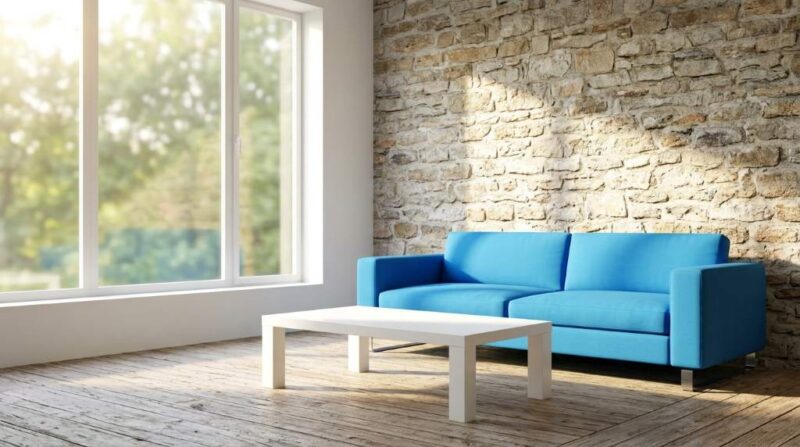
Modern seating sofa in a stylish contemporary living room with natural lighting

A sofa is often the most used piece of furniture in a home. It serves as a place to relax after work, gather with family, entertain guests, and enjoy everyday moments. Choosing the right seating sofas can significantly improve comfort, functionality, and the overall appearance of your living space.

According to the United States Census Bureau, Americans spend a large portion of their leisure time at home, making living room furniture one of the most important household investments. Additionally, research published by the National Institutes of Health highlights the importance of ergonomic seating for supporting posture and reducing physical discomfort during extended sitting periods.

With so many styles, materials, sizes, and configurations available, selecting the perfect sofa can feel overwhelming. Fortunately, understanding a few key factors can help you make a confident decision. This guide explains everything you need to know to choose the right sofas for your home and lifestyle.

Why Choosing the Right Sofa Matters

Many homeowners focus primarily on appearance when shopping for a sofa. While aesthetics are important, comfort, durability, and functionality play equally important roles.

The right seating sofa becomes a central gathering place for daily life. It supports relaxation, conversations, movie nights, reading sessions, and even occasional work-from-home activities.

On the other hand, a poorly chosen sofa can create discomfort, overcrowd a room, and wear out faster than expected. Therefore, investing time in selecting the right option helps ensure long-term satisfaction.

Benefits of choosing the right sofa include:

  • Better comfort and support
  • Improved room functionality
  • Enhanced interior design appeal
  • Greater durability
  • Easier maintenance
  • Better use of available space

Start with Your Room Size and Layout

Before exploring styles and fabrics, evaluate the room where the sofa will be placed.

A sofa that looks perfect in a showroom may feel oversized or undersized once it enters your home. Measuring your space carefully helps prevent costly mistakes.

Measure the Available Space

Take measurements of:

  • Room length and width
  • Wall dimensions
  • Doorways
  • Hallways
  • Staircases
  • Window placement

These measurements help determine whether the sofa will fit comfortably within the room and pass through entry points during delivery.

Large sectional seating sofa arranged in an open concept family living space

Consider Traffic Flow

People should move freely around the room without obstacles.

Leave sufficient walking space around furniture. Interior design experts generally recommend maintaining clear pathways throughout living areas to improve comfort and functionality.

Match Sofa Size to Room Scale

Large rooms can accommodate:

  • Sectional sofas
  • Deep seating arrangements
  • Multiple seating pieces

Smaller rooms often benefit from:

  • Compact sofas
  • Apartment-sized seating
  • Slim profile designs
  • Loveseats

Choosing a proportional sofa creates visual balance and makes the room feel more inviting.

Identify Your Lifestyle Needs

Every household uses a sofa differently.

A family with young children has different requirements than a retired couple or a single professional. Understanding your daily habits helps narrow your options.

Questions to Ask Yourself

Consider the following:

  1. How many people use the sofa daily?
  2. Do you entertain guests frequently?
  3. Do you have children?
  4. Do you have pets?
  5. Do family members nap on the sofa?
  6. Will the sofa be used for watching television regularly?

Your answers will guide decisions regarding size, fabric, construction, and seating depth.

Family Homes

Families often benefit from:

  • Durable upholstery
  • Stain-resistant materials
  • Deep seating
  • Removable cushion covers

These features make cleaning easier and increase longevity.

Homes with Pets

Pet owners should prioritize:

  • Scratch-resistant fabrics
  • Tightly woven upholstery
  • Easy cleaning surfaces

Materials that resist fur accumulation can also simplify maintenance.

Understanding Different Sofa Styles

Choosing a style that complements your home’s design creates a cohesive look.

Traditional Sofas

Traditional sofas feature:

  • Rolled arms
  • Elegant detailing
  • Timeless silhouettes

These work well in classic interiors and formal living rooms.

Contemporary Sofas

Contemporary designs focus on:

  • Clean lines
  • Minimal ornamentation
  • Functional comfort

Many modern homes feature contemporary sofas for their versatility.

Sectional Sofas

Sectionals provide:

  • Maximum seating capacity
  • Flexible layouts
  • Comfortable lounging areas

They are ideal for larger families and open concept spaces.

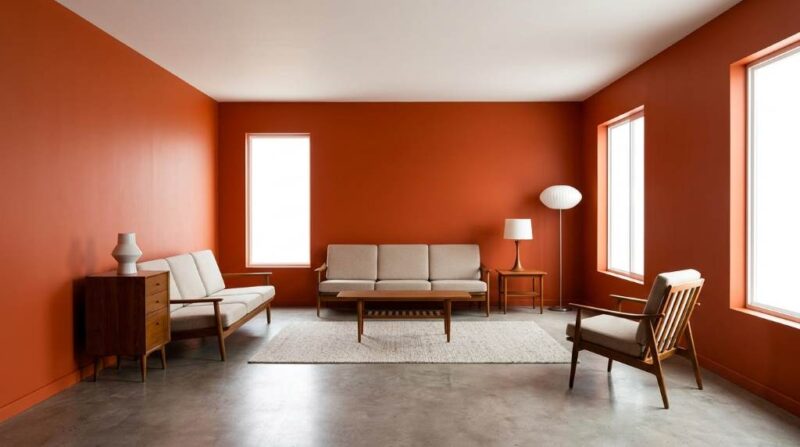
Mid-Century Modern Sofas

These sofas typically include:

  • Tapered legs
  • Streamlined shapes
  • Retro-inspired aesthetics

They remain popular because they blend well with various decorating styles.

Sleeper Sofas

Sleeper sofas offer dual functionality.

They provide seating during the day and sleeping accommodations for overnight guests. This makes them useful in smaller homes and multipurpose rooms.

Choose the Right Sofa Material

The upholstery material significantly affects comfort, durability, and maintenance requirements.

Fabric Sofas

Fabric remains one of the most popular choices.

Advantages include:

  • Soft texture
  • A wide variety of colors
  • Comfortable feel
  • Design flexibility

Performance fabrics have become increasingly popular because they resist stains and moisture.

Leather Sofas

Leather offers a sophisticated appearance and long-lasting durability.

Benefits include:

  • Easy cleaning
  • Elegant style
  • Resistance to spills
  • Aging character over time

Many homeowners appreciate the timeless appeal of leather furniture.

Performance Fabrics

Performance fabrics are engineered for active households.

They often resist:

  • Stains
  • Moisture
  • Fading
  • Wear

As a result, they are excellent options for families with children and pets.

Natural Fiber Upholstery

Natural fibers such as cotton and linen provide a breathable and comfortable seating experience.

However, they may require additional care compared to synthetic alternatives.

Focus on Comfort and Ergonomics

Appearance attracts attention, but comfort determines long-term satisfaction.

Seat Depth

Seat depth affects sitting posture.

Shallow seats support upright sitting and conversation. Deeper seats encourage lounging and relaxation.

Most homeowners prefer a balance between the two.

Seat Height

Proper seat height allows feet to rest comfortably on the floor.

This position helps maintain natural body alignment and improves sitting comfort.

Back Support

Look for supportive back cushions that maintain shape over time.

Adequate lumbar support contributes to a more comfortable seating experience during extended use.

Cushion Fillings

Common cushion materials include:

  • High-density foam
  • Memory foam
  • Feather blends
  • Fiber fills

High-density foam often provides excellent support and durability for everyday use.

Evaluate Sofa Frame Construction

A sofa’s frame acts as its foundation.

Strong construction contributes significantly to longevity and performance.

Best Frame Materials

Quality frames often use:

  • Kiln-dried hardwood
  • Solid wood construction
  • Reinforced joints

These materials resist warping and structural deterioration.

Signs of Quality Construction

Look for:

  • Sturdy feel
  • Minimal wobbling
  • Reinforced corners
  • Durable joinery

Strong frames typically perform better under daily use.

Selecting the Best Sofa Color

Color influences both style and practicality.

Neutral Colors

Popular neutral options include:

  • Beige
  • Gray
  • Cream
  • Taupe

These colors adapt easily to changing décor trends.

Bold Colors

Bold colors create visual interest and personality.

Popular choices include:

  • Navy blue
  • Forest green
  • Deep rust
  • Charcoal

These shades often become focal points within a room.

Consider Lighting

Natural and artificial lighting affect how colors appear.

Always evaluate fabric samples under the lighting conditions present in your home.

Match the Sofa to Your Interior Style

A sofa should complement existing design elements rather than compete with them.

Modern Interiors

Choose sofas with:

  • Clean lines
  • Minimal details
  • Neutral tones

Farmhouse Interiors

Look for:

  • Soft fabrics
  • Comfortable cushions
  • Warm colors

Industrial Spaces

Industrial designs often pair well with:

  • Leather upholstery
  • Metal accents
  • Structured silhouettes

Consistency throughout the room creates a polished and harmonious appearance.

Common Mistakes to Avoid

Many buyers regret their purchase because they overlook important details.

Avoid these common mistakes:

Ignoring Measurements

Failure to measure accurately can result in delivery problems and poor room fit.

Prioritizing Appearance Only

An attractive sofa that lacks comfort will quickly become frustrating.

Choosing the Wrong Fabric

Households with children and pets require durable upholstery.

Forgetting Daily Usage

Always consider how the sofa will function during everyday life.

Neglecting Room Proportions

A sofa should enhance the room rather than overwhelm it.

Real World Example

Consider a family of four living in a suburban American home.

Initially, they selected a stylish sofa based solely on appearance. After several months, they experienced discomfort, frequent straining, and insufficient seating space.

When replacing the sofa, they focused on performance fabric, deeper seating, durable construction, and a sectional configuration. The result was a more comfortable, practical, and visually appealing living area that better suited their daily needs.

This example demonstrates why balancing style with functionality is essential.

Quick Checklist Before Buying

Use this checklist before making a final decision:

  • Measure the room accurately
  • Confirm delivery access points
  • Determine seating capacity needs
  • Select a suitable sofa style
  • Choose durable upholstery
  • Evaluate comfort thoroughly
  • Check frame construction quality
  • Match the color with existing décor
  • Considerlong-termm maintenance
  • Review room traffic flow

Following this process reduces the likelihood of buyer’s remorse.

Conclusion

Learning how to choose the right seating sofas involves much more than selecting an attractive piece of furniture. The best sofa combines comfort, durability, functionality, and style while fitting seamlessly into your available space. By carefully evaluating room size, lifestyle needs, upholstery materials, construction quality, ergonomics, and design preferences, you can confidently select a sofa that serves your household for years to come.

Take time to measure your space, test comfort levels, and prioritize everyday practicality. When you choose thoughtfully, your sofa becomes more than furniture. It becomes the heart of your home.

Frequently Asked Questions

How do I know what sofa size is right for my living room?

Measure the room dimensions, doorways, and walking paths before shopping. A sofa should fit comfortably without restricting movement throughout the space.

What is the most durable sofa material for families?

Performance fabrics are among the most durable options because they resist stains, moisture, and everyday wear. They work especially well in homes with children and pets.

Are sectional sofas better than traditional sofas?

Sectionals provide more seating and flexibility for larger households. Traditional sofas often work better in smaller spaces or formal living rooms.

How important is sofa frame construction?

Frame construction is extremely important. A strong hardwood frame supports durability, structural integrity, and long-term comfort.

What sofa color stays stylish the longest?

Neutral colors such as gray, beige, cream, and taupe remain timeless and adapt easily to changing interior design trends.

References

Childrens Book Box in White: The Perfect Storage Solution for an Organized and Inspiring Reading Space

Whitechildren'ss book box in a bright nursery with organized picture books and cozy reading corner

Creating a reading-friendly space for children starts with one simple goal: making books easy to access and enjoyable to explore. A children’s book box in white offers a practical and attractive way to organize books while encouraging young readers to develop positive reading habits. Whether placed in a bedroom, playroom, classroom, or nursery, this storage solution helps children see and reach their favorite books independently.

Research from the National Center for Education Statistics shows that children who are regularly exposed to books at home often demonstrate stronger literacy development and academic performance. Additionally, studies published by educational researchers suggest that easy access to reading materials increases the likelihood of children reading for pleasure. As a result, choosing the right book storage can have a meaningful impact on a child’s learning journey.

What Is a Children’s Book Box in White?

Achildren’ss book box in white is a dedicated storage container designed specifically for children’s books. Unlike traditional bookshelves, these boxes often allow books to face outward or remain easily accessible at a child’s height.

The white finish creates a clean and timeless appearance that blends naturally with most interior design styles. Parents appreciate the neutral color because it works well with changing room themes as children grow.

Many book boxes feature rounded edges, durable materials, and child-friendly designs. Therefore, they provide both functionality and safety in family environments.

Why White Book Storage Remains a Popular Choice

White furniture continues to be one of the most requested options in children’s spaces across the United States. Several factors contribute to its popularity.

Brightens the Room

White surfaces reflect light effectively. Consequently, smaller rooms often appear larger and more open.

Natural light can make reading spaces feel inviting. Children may feel more comfortable spending time in a bright and welcoming environment.

Matches Any Décor Style

One major advantage of white storage furniture is versatility.

It complements:

  • Modern interiors
  • Farmhouse themes
  • Scandinavian designs
  • Coastal bedrooms
  • Minimalist spaces
  • Colorful playrooms

Because of this flexibility, parents rarely need to replace white storage when updating room decorations.

Creates a Clean and Organized Appearance

Visual clutter can overwhelm children. A white children’s book box creates a calm backdrop that allows colorful book covers to stand out.

As a result, children can quickly locate favorite stories while maintaining an organized reading area.

Benefits of Using a Children’s Book Box

Encourages Independent Reading

Children naturally gravitate toward items they can easily see and reach.

When books remain stored at child height, young readers gain the freedom to choose stories independently. This independence helps build confidence and strengthens reading habits over time.

Parents often notice that children engage with books more frequently when they are displayed accessibly rather than stored on high shelves.

Supports Early Literacy Development

Literacy development begins long before formal schooling.

Accessible book storage helps children:

  • Explore books independently
  • Recognize familiar covers
  • Develop print awareness
  • Build vocabulary
  • Strengthen comprehension skills

Moreover, repeated exposure to books encourages curiosity and lifelong learning.

Promotes Organizational Skills

Teaching organization starts with simple daily routines.

A dedicated book box helps children learn:

  1. How to sort books
  2. How to return items after use
  3. How to care for belongings
  4. How to maintain tidy spaces

These habits often extend beyond reading materials into other aspects of daily life.

Protects Books from Damage

Books left on floors or furniture can become bent, torn, or damaged.

Achildren’ss book box provides a designated storage location that protects valuable books while keeping them accessible.

Features to Look for in a Quality White Children’s Book Box

Choosing the right book storage requires attention to several important features.

Durable Construction

Children use furniture actively. Therefore, strong materials are essential.

Look for sturdy options made from:

  • Solid wood
  • Engineered wood
  • High-quality composite materials
  • Durable child-safe plastics

Well-constructed storage units often maintain their appearance for many years.

Safety-Focused Design

Safety should always remain a top priority.

Important features include:

  • Rounded corners
  • Smooth surfaces
  • Stable construction
  • Non-toxic finishes
  • Secure assembly components

These details help create a safer environment for young children.

Appropriate Size

Storage needs vary depending on age and available space.

A toddler may need only a small collection of board books, while older children often require larger storage solutions for chapter books and educational materials.

Selecting the correct size ensures long-term usability.

Easy Accessibility

Children should access books without assistance.

Low-profile designs encourage independence while reducing frustration.

Creating the Perfect Reading Corner with a White Book Box

A book box becomes even more effective when incorporated into a thoughtfully designed reading space.

Choose a Comfortable Location

Select a quiet area away from major distractions.

Popular locations include:

  • Bedroom corners
  • Playrooms
  • Family rooms
  • Nursery spaces
  • Homeschool areas

A dedicated reading zone signals that books are an important part of everyday life.

Add Comfortable Seating

Comfort encourages longer reading sessions.

Consider adding:

  • Floor cushions
  • Bean bags
  • Small chairs
  • Reading tents
  • Soft rugs

These additions create a cozy atmosphere that children enjoy.

Use Proper Lighting

Lighting significantly influences reading comfort.

Natural daylight works well during daytime hours. Meanwhile, soft reading lamps provide excellent visibility during evening reading sessions.

Proper lighting also reduces eye strain and improves focus.

Rotate Books Regularly

Children often rediscover books when selections change.

Book rotation keeps reading experiences fresh and exciting. Additionally, rotating books helps manage clutter and maintain organization.

Best Places to Use a Children’s Book Box in White

Nursery

Nurseries benefit greatly from organized book storage.

Parents can keep bedtime stories within reach while introducing infants to books from an early age.

Toddler Bedroom

Toddlers enjoy choosing books independently.

A low white book box supports exploration while teaching responsibility.

Playroom

Playrooms often contain toys, games, and educational materials.

A dedicated book storage area helps separate reading materials from other activities.

Classroom

Teachers frequently use book boxes to create inviting classroom libraries.

The neutral white color blends seamlessly into educational environments while keeping reading materials organized.

Homeschool Space

Homeschool families often require accessible storage for various educational resources.

Achildren’ss book box helps create a structured and productive learning environment.

How White Book Storage Supports Montessori Principles

Many parents appreciate Montessori-inspired learning environments.

A children’s book box in white aligns well with several Montessori concepts.Child-Centered Accessibility

Montessori environments prioritize independence.

Books displayed at child height encourage self-directed learning and exploration.

Order and Simplicity

Montessori classrooms emphasize organization.

A dedicated book box supports orderly spaces that help children focus and learn effectively.

Freedom of Choice

Children gain the ability to select reading materials independently.

This freedom nurtures curiosity and supports intrinsic motivation.

Organizing Books Effectively

Simply owning a book box is not enough. Proper organization maximizes its benefits.

Sort by Age Group

Separate books according to developmental level.

This strategy helps children quickly find appropriate reading materials.

Organize by Theme

Consider categories such as:

  • Animals
  • Science
  • Adventure
  • Fairy tales
  • Educational books
  • Seasonal stories

Themed organization makes book selection easier and more enjoyable.

Display Favorite Books Front Facing

Young children often recognize covers before titles.

Front-facing displays increase engagement because attractive illustrations immediately capture attention.

Remove Unused Books Periodically

Evaluate collections regularly.

Donating or storing unused books creates space for new reading experiences while maintaining a manageable collection.

Environmental and Educational Value

A quality children’s book box offers more than simple storage.

It supports:

  • Literacy growth
  • Independent learning
  • Organizational development
  • Responsibility
  • Positive reading habits

Furthermore, durable furniture reduces the need for frequent replacement, supporting more sustainable household choices.

Common Mistakes to Avoid

Choosing Style Over Function

Attractive furniture matters. However, accessibility and durability should remain priorities.

Overloading the Storage Box

Too many books can overwhelm children.

Instead, maintain a curated collection that encourages exploration without creating clutter.

Ignoring Child Height

Storage that is too tall limits independence.

Always select a size appropriate for the child’s developmental stage.

Neglecting Regular Organization

Even the best storage solution requires occasional maintenance.

Regular organization keeps the reading space inviting and functional.

Why Parents and Educators Love WhiteChildren’ss Book Boxes

Parents and educators consistently value storage solutions that combine practicality with aesthetics.

A children’s book box helps create organized environments where children can explore stories independently. At the same time, the neutral design integrates beautifully into homes and classrooms.

Most importantly, easy access to books encourages reading engagement. Since literacy remains one of the strongest predictors of educational success, investing in thoughtful book organization supports long-term learning goals.

Conclusion

A children’s book box in white is much more than a storage container. It creates an inviting environment that encourages reading, supports organization, and promotes independence. The clean white design complements virtually any room while keeping books visible and accessible for young readers.

Whether you are designing a nursery, updating a playroom, organizing a classroom, or building a homeschool space, a dedicated book box can help transform the way children interact with books. Start creating an inspiring reading corner today and make books a natural part of your child’s daily routine.

FAQs

What age is a children’s book box suitable for?

Achildren’ss book box can be used from infancy through elementary school years. Parents often begin using one in nurseries and continue adapting book collections as children grow.

Why is white a popular color for children’s book storage?

White complements nearly every décor style, reflects light effectively, and creates a clean, organized appearance that helps colorful book covers stand out.

Can a children’s book box help encourage reading?

Yes. Easy access to books increases the likelihood that children will choose books independently, supporting stronger reading habits and literacy development.

How many books shouldchildren’sens book box hold?

The ideal number depends on the child’s age and available space. Keeping a manageable collection often encourages exploration without overwhelming young readers.

Where should I place a children’s book box?

Popular locations include bedrooms, nurseries, playrooms, classrooms, and homeschool learning spaces. Choose a quiet, comfortable area that encourages reading.

References

Image ALT Texts

  1. Whitechildren’ss book box in a bright nursery with organized picture books and cozy reading corner
  2. Child reading beside a white book storage box in a comfortable home reading no.ok
  3. Mode rn whichichildren’sorganizer filled with colorful books in a tidy playroom